

Table of Contents[Hide][Show]
- Seed Oils are Trending
- How Industrialized Seed Oils Became Pervasive
- How Industrialized Seed Oils Damage the Body
- Are Seed Oils Bad for Your Skin? Which Ones to Avoid.
- The History of Seed Oils for Beauty
- Why Applying Oils Topically Is Beneficial for Skin
- Seed Oils for Skin: Final Verdict
- Frequently Asked Questions About Seed Oils in Skin Care
I’ve been in the health industry for over 20 years and have seen a lot of different messages come into and fall out of favor in that time. I’ve seen trends, fads and scams. I’ve seen different diets come and fade away. I’ve also seen some really solid advances in science and technology. There are too many examples of all of these to list here, I actually filled a whole book with them back in 2015 (here). But the reason I’m writing, literally for the first time in close to that many years, is to address a new trend that makes a lot of sense. I just feel it needs an advocate to make sure it has a fully explained and fair trial in the court of the internet masses.
The narrative I’m talking about, which is catching a lot of traction, is how seed oils, when consumed, can negatively affect your health.
As a reminder seed oils include:
- Canola Oil (Rapeseed Oil)
- Corn Oil
- Cottonseed Oil
- Soybean Oil
- Safflower Oil
- Some Types of Sunflower Oil
- Some Types of Grapeseed Oil
- Rice Bran Oil
I’m not going to make this a science essay, so you can read on your own some well written sources on this topic, in fact, here’s a good one by my friend Chris Kresser on how industrial seed oils are making us sick. I think there’s a lot of merit to this assertion. Many experts agree that we should not be eating poorly sourced, poorly produced oil from seeds, as they can be inflammatory. So, case closed, right?
Not exactly, just like it’s possible to have a beef that is deemed healthy—grass fed, grass finished, it’s also possible to have healthier seed oils.
But I’m not here to give you diet advice. I gave up on that years ago. I’m here to make a clear distinction between consuming seed oils, high and low quality seed oils and applying them to your skin, and why it is different from eating them.
In this article, we’ll dive into:
- The brief history of how seed oils took over the consumer market
- The way seed oils affect our health
- If seed oils are bad for skin
- Which seed oils to avoid
- The history of seed oils in beauty rituals
- And more.
Seed Oils are Trending
It’s great that everyone is getting into biohacking, anti-aging, and non-toxic lifestyles. More than 15 years ago, our family members used to roll their eyes at us when we would show up at their homes with our Vitamix. Now they all have one.
I feel that eliminating or limiting processed seed oils in your diet is one topic that will stick. Many people will benefit from the flood of information in their social feeds about the dangers of seed oils.
You may (if you’re not vegan) have already substituted tallow in place of PUFAs (polyunsaturated fatty acids, such as canola, soybean and corn oil) or you may have already swapped your go-to bag of snacks for seed oil free Siete tortilla chips. You may have even gone to the extreme, which I like to do, and sworn off all seed oils from your lifestyle and decided to take inventory of all the seed oil-laced products you’ll get rid of in your home. Kicking them out, one by one.
But as you go through each room and make your way to your bathroom shelf, you will likely be confused. Your favorite clean beauty moisturizer—one you’ve been using for years with happy results—likely has a base blend of seed oils. How is it possible that a product has helped your skin all these years, keeping it healthy and saving it from inflammation, when seed oils seem to be the antithesis of health today?
It seems like a difficult question to answer, but it’s not as daunting, if you understand that all health information is nuanced. The example comparing two different cuts of beef—one factory farmed and inflammatory vs. one grass fed, grass finished and anti-inflammatory—is maybe my favorite to use. The average person wouldn’t be able to tell the difference (you or I might), to them they’re both steak. But to a savvy, health minded consumer, they could (and should) be considered completely different foods.
Back to seed oils, though… in this article, I’d like to assert a few things. First, there are garbage seed oils. Second, limiting or eliminating seed oils in your diet, particularly the nasty ones, is very good advice. Third, those nasty-garbage seed oils shouldn’t be used on your skin either, because there are better options. And finally, there are good seed oils for your skin—ones that are of an organic or wild and high-quality source, and cleanly processed—and they can profoundly nourish your complexion. So whether you’re asking if seed oils are bad for your skin, bad for your face, or bad to put on your skin at all—the answer is never about the entire category itself. It’s about the type, sourcing, and quality.
How Industrialized Seed Oils Became Pervasive
In the mid-20th century, a shift occurred in the Western diet when industrialized seed oils, such as soybean, corn, sunflower and canola oils, replaced traditional animal fats like butter and lard in the food industry, due to being cheaper to obtain and sell. These oils were mass-produced through processes like high heat exposure and chemical extraction and refining, leading to the loss of essential nutrients and the introduction of harmful additives. Through heavy marketing and branding of products like Crisco and margarine as “vegetable-based,” public opinion was quickly swayed into believing these products to be a “healthier, more affordable alternative.” This replacement marked the beginning of a health crisis—unbeknownst to the customer—as the modern diet became increasingly saturated with low-quality oils with no nutritional value.
How Industrialized Seed Oils Damage the Body
Industrialized seed oils contain high levels of a type of polyunsaturated fatty acid called omega-6 fatty acids, particularly linoleic acid. While omega-6 fatty acids are essential for the body, an imbalanced ratio of omega-6 to omega-3—usually due to an excessive intake of omega-6—can lead to inflammation, which is associated with various health issues, like cardiovascular disease, obesity, diabetes, IBS, autoimmune disorders and many others directly linked by science and likely some that aren’t (just yet.)
Your human (if you identify as such) diet should ideally maintain a balanced ratio of omega-6 to omega-3 fatty acids, as both are vital for our health. However, the modern diet has shifted this ratio dramatically, with omega-6 intake surpassing omega-3 intake by a significant margin. This imbalance disrupts the body’s natural inflammatory response and promotes chronic inflammation. Chronic inflammation, in turn, can begin to show its effects outwardly, exacerbating skin conditions like acne, eczema, and psoriasis.
In an effort to help recalibrate this imbalance, introducing sources that are rich in omega-3s into your diet (such as wild or grass-fed meat and fish, or flax, chia and algae for vegans) as well as increasing your awareness around how much omega-6 you are taking in and reducing usage is a good practice. Swapping out industrialized seed oils that have no nutritional value and cause dysfunction in the body with high-quality fat sources, such as organic, cold-pressed extra virgin olive oil (cooked at lower heat levels due to its lower smoke point), organic virgin and unrefined coconut oil, or grass-fed butter, tallow and ghee are some of the ways to go. Just to restate, I’m not here to debate diet, so there may be some dissent here regarding which of these oils are ok to eat or even morally appropriate to do so. My point is that on the scale of “good, better, best,” industrial oils are “shit.”
Are Seed Oils Bad for Your Skin? Which Ones to Avoid.

So, which oils are bad for you or your skin? Are there any good ones?
This list of oils to avoid is comprised of the most common industrialized seed oils in use, which you’ll conveniently find in the majority of processed foods and even some beauty products today:
- Canola Oil (Rapeseed Oil)
- Corn Oil
- Cottonseed Oil
- Soybean Oil
- Safflower Oil
- Some Types of Sunflower Oil (more on this below)
- Some Types of Grapeseed Oil (more on this below)
- Rice bran Oil
When looking at the above list, you’ll find that they fall short in many categories. These oils are high in omega-6 compared to omega-3, typically refined with petroleum-based solvents, and are often exposed to extreme heat in the manufacturing process, generating harmful free radicals, which causes the oxidative stress that damages cells and contributes to premature aging. Some of the oils on the list, such as soybean oil and corn oil, are often derived from heavily genetically modified (GMO) crops. Additionally, several of these oils—again soybean and corn, as well as canola—are known to be common allergens for some individuals, leading to adverse reactions when consumed or applied topically.
Here are some oils that you can use instead, which offer a wider range of nutrients:
- Olive Oil: High in monounsaturated fats and antioxidants like vitamin E. (This oil is not considered a seed oil, since the entire fruit is used in extraction. However, because this oil is a common and easily accessible culinary and beauty oil, we added it to our list here).
- Flaxseed Oil: A rich source of omega-3 fatty acids, flaxseed oil helps to balance the omega-6 to omega-3 ratio when incorporated into the diet. It also contains lignans, which have antioxidant properties.
- Hemp Seed Oil: Another oil with an ideal omega-6 to omega-3 ratio, hemp seed oil provides essential fatty acids, minerals, and antioxidants, making it beneficial for overall health.
- Pumpkin Seed Oil: A good source of zinc, magnesium, and vitamins A and E, pumpkin seed oil supports skin health and helps maintain a balanced fatty acid profile.
- Chia Seed Oil: High in omega-3 fatty acids and antioxidants, chia seed oil is beneficial for skin hydration and protection against environmental stressors.
- Sesame Seed Oil: Rich in antioxidants and healthy fats, sesame seed oil is known for its soothing properties.
These two lists, as the co-founder of Annmarie Skin Care, are two that I cannot ignore. I’ve never liked doing what others are doing because that thing is what others are doing. Adding industrialized, filler oils to skin care products is the norm (even for many natural and clean brands.) When we look at an ingredient, we take into account many factors. When looking at different types of seed oils, we want to know the omega-6 to omega-3 ratio, as well as how they are grown, processed and if that is done correctly to retain the most nutrients possible for application to the skin.
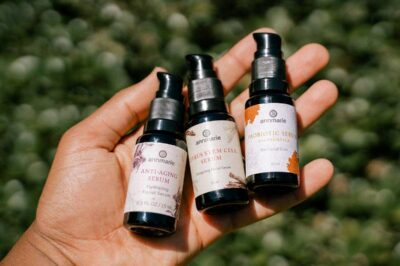
Some of the ones we like to favor in our products, are even more unique and include black cumin seed oil, broccoli seed oil, red raspberry seed oil, apricot kernel oil, sacha inchi oil, and rosehip seed oil, which you can find in many of our moisturizing, herb-infused facial oil formulas.
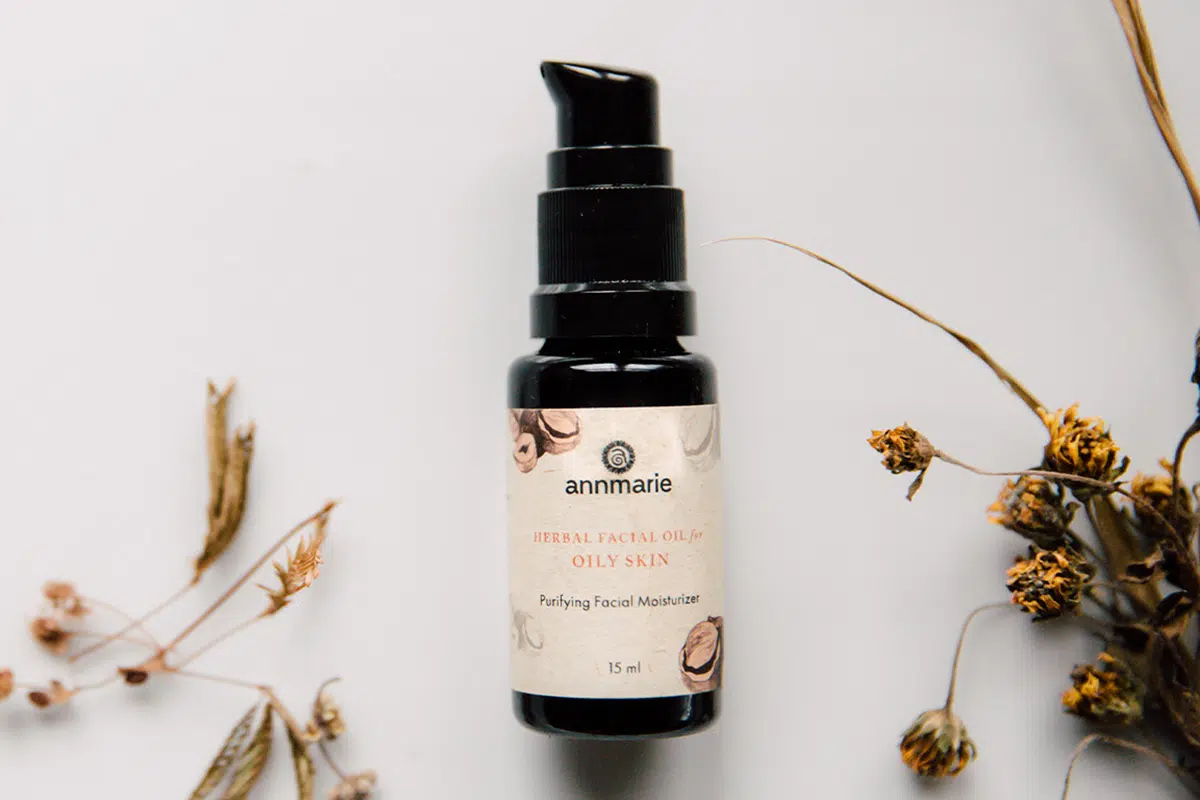
And while the “naughty” list includes “some types of sunflower and grapeseed oils” as ones to avoid, there is a space for topical usage when using a clean, non-industrial source. Some of our facial oils—such as our Herbal Facial Oil for Normal & Combination Skin, Herbal Facial Oil for Oily Skin, and Herbal Facial Oil for Sensitive Skin—use a wildcrafted, hand-foraged grapeseed oil for its light texture and support in balancing the skin’s natural oils. The high-quality version of this ingredient, where the dried grape seeds are cold-pressed and extracted, can work to strengthen and firm the appearance of your complexion. Additionally, the sunflower oil in our formulas come from a zero-waste facility that uses a no-solvent extraction method, solely relying on pressure to extract the oil from the sunflower seeds. They then refine the oil from the crushed seeds without the use of synthetic chemicals or winterization (a process that can strip the oil of nutrients and vitamin E). Are those oils the same as mass-produced zombie equivalents of the same source seed? No, they’re not.
The History of Seed Oils for Beauty
Looking throughout history, you will find that the secret behind glowing, supple skin has been, in part, attributed to seed oils. This isn’t a new-age trend. Imagine Cleopatra, the epitome of beauty in ancient Egypt, meticulously applying sesame oil onto her skin, ensuring it remains radiant under the blazing African sun. Seed oils weren’t just for the royals, either. Records dating back over 4,000 years unveil the Egyptians’ love affair with oils like castor and moringa, revered for their skin-softening superpowers.
Traditional Chinese medicine was already ahead of Cleopatra’s game. Holistic practitioners, over two millennia ago during the Han dynasty (206 BC–220 AD), were weaving the magic of seed oils, like camellia, into their skin prescriptions. They weren’t just onto something; they were pioneers. These oils were held in high esteem for their knack to enhance the look of skin elasticity, even the skin tone, and gracefully combat signs of aging.
You’ll also find that Ayurveda–the ancient health science–was high on seed oils, notably sesame. It’s not hard to see why; this oil dives into the skin, offering profound, natural moisture.
In the times of the European renaissance, in the 15th and 16th century, the herbalist Hildegard von Bingen (to many the G.O.A.T.) was, educating people on the marvels of plant-based oils in beauty rituals.
Seed oils aren’t a flash in the pan. They are companions in the journey towards radiant skin. They bridge cultures and epochs, offering an enduring, global testament to nature’s inherent wisdom in skin care.
Why Applying Oils Topically Is Beneficial for Skin
So, while it is important to reduce excess ingestion of omega-6 to prevent an overload of inflammation in our body, there’s a slightly different story when it comes to topical usage. (However, to restate one of my assertions above: Even with topical usage, steer clear of the industrialized seed oils, as any sense of nutritional content has been completely stripped.)
Topical application of high-quality, cold-pressed seed oils can provide a range of benefits for the skin. These oils are rich in essential fatty acids, vitamins, and antioxidants, which can nourish and protect the skin’s natural barrier. When applied topically, high-quality, cold-pressed seed oils can improve skin moisture and suppleness, tackle dryness, reduce temporary redness, and promote a more youthful complexion. (Don’t get me started, but I think I nailed it with the FDA compliance language there.)
High-quality seed oils, unlike their industrialized counterparts, retain their full nutritional profile, as they are extracted without the use of high heat or chemicals. This preservation of nutrients ensures that the skin receives the maximum benefits from these oils.
Additionally, which might be the most important distinction here, is that the way in which the oil is utilized by the body in topical application is different when compared to the ingestion method. When you ingest seed oils, they are broken down into their components. When you eat too much of them, they can lead to an imbalance in the body’s omega-6 to omega-3 ratio, which can trigger inflammation, as omega-6 fatty acids are involved in the body’s inflammatory response.
However, when you apply high-quality seed oils to your skin, it remains on the skin’s surface and doesn’t enter the bloodstream in the same way as when ingested. Instead, the oil acts as a moisturizing and protective layer on the skin, helping to retain moisture and shield the skin from external factors like dry air, pollutants, and irritants.
On top of that, the skin has its own protective mechanisms and a natural barrier called the stratum corneum, which is made up of surface buildup and lipids. This barrier helps prevent the entry of harmful substances and maintains skin hydration. While some molecules from the oil may penetrate the topmost layer of the skin and provide beneficial effects, they are not likely to reach levels that would lead to systemic effects or cause inflammation like when ingested in excess.
One more distinction worth making: not all topically applied seed oils interact with your skin the same way. A big part of this comes down to Free Fatty Acids (FFAs). High-quality, cold-pressed oils are naturally low in FFAs. Industrial oils—processed with high heat or solvents—tend to have much higher FFA content. Those smaller molecules can penetrate deeper into the skin, potentially clogging pores and disrupting its natural balance. It’s one more reason why the sourcing and processing of an oil matters as much as the ingredient itself.
Seed Oils for Skin: Final Verdict
I’m overjoyed to see many of my health-minded friends writing about seed oils, since I think it will improve the health of many who come across their articles. It’s not like it was 15-20 years ago, where you had to travel to a Unitarian church in Los Feliz to learn about the unconventional things that are now accepted as norms. We’re now in a time where access to information on optimal, non-toxic living is readily available–and the right post in your feed can literally add years to your life.
But with this widespread, 5-to-15-second-clip messaging, we also have to understand the loss of nuance that comes with it. I hope I’ve provided enough evidence of this so you don’t throw out the baby here. I’ll restate some of the assertions more succinctly again–most or all seed oils in your diet should be limited or even completely avoided. High quality, well sourced, organic seed oils, used topically are OK—in fact, excellent—to use for your skin.
Frequently Asked Questions About Seed Oils in Skin Care
Is sunflower seed oil bad in skin care?
Not all sunflower seed oil is the same. Highly refined, mass-produced sunflower oil which you may see used for cooking is very different from the one used in high-quality skin care. A pure, organic, no solvent extracted sunflower oil is rich in Vitamin E and linoleic acid, which can help nourish and support the skin’s barrier. The key is always the quality and processing method.
What oils should you avoid for your skin?
Steer clear of industrial seed oils such as corn, soy, canola, and cottonseed—they’re often GMO, monocrop-grown, and loaded with pesticide residue. Most are then RBD-processed (refined, bleached, deodorized) and solvent-extracted with hexane, stripping antioxidants and leaving behind irritants. In short, avoid any oil that’s poorly sourced and highly refined; choose cold-pressed, organic or wildcrafted alternatives instead.
Will seed oils clog my pores?
Some might—but not all. Whether a seed oil is comedogenic depends on its fatty acid profile, free fatty acid (FFA) content, and how your skin responds. Oils high in linoleic acid (like hemp, grapeseed, and rosehip) are generally better for oily skin. Cold-pressed, unrefined oils with low FFA levels are less likely to clog pores than highly refined, oxidized oils. To avoid congested pores, choose clean, well-sourced seed oils and avoid industrial, heavily processed versions.
Are seed oils bad for your skin?
It depends entirely on the type, source, quality, and processing of the oil. Industrial seed oils—like corn, canola, soybean, and cottonseed—are refined with high heat and chemical solvents that strip their nutritional value and can introduce irritants to your skin. These are the ones to avoid. High-quality, cold-pressed seed oils from organic or wildcrafted sources are a completely different story; they’re rich in essential fatty acids, vitamins, and antioxidants that genuinely nourish and support your complexion.




Seed oils are the one thing that causes acne on my face. I can eat them, but I can’t put them on my skin without getting acne. 20 years ago, you’d never have the problem. Now all beauty products have a minimum of 2-3 or more seed oils. Which really sucks for people with sensitive skin. If people wanted science backed skin care like they do health care, skin & haircare
would go back to being proper.