


Key Takeaways:
- Uneven texture is beautifully common and often stems from everyday surface buildup, a need for moisture support, or a simple response to seasonal and environmental shifts.
- Different textures, from fine bumps to rough patches to dull unevenness, each carry their own quiet message about what the skin is asking for.
- Integrating a gentle sweep of botanical exfoliants helps lift away old surface layers to seamlessly soften the look of your skin.
- Following up with nourishing botanical facial oils replenishes what the skin needs to feel soft, comfortable, and vibrant.
- Consistency in a mindful, two-step ritual paired with thoughtful daily habits naturally supports a visibly smoother complexion over time.
We’ve all had that moment.
You touch your cheek or catch your skin in the mirror and think, wait… why does my face feel so bumpy right now?
Texture is incredibly common, but it can still throw you off when your skin suddenly feels rough, uneven, or not as smooth as usual.
Instead of viewing these shifts as a problem to fix, consider this a gentle tap on the shoulder from your skin, signaling that it might just need a little support.
Things like weather changes, dryness, and daily buildup can all affect how smooth your skin feels.
And when you’re trying to soften the look of texture, the first place to look is usually your cleanse. A good cleanse helps clear away what’s sitting on the surface, so the rest of your routine can actually do its job.
Understanding Your Skin: Why Is My Face Texture Bumpy and Rough?
Not all texture shows up the same way, and noticing those differences makes it a lot easier to know what your skin actually needs—without all the guessing.
Fine bumps can feel like tiny raised dots under your fingertips.
They’re usually subtle, easy to miss, and may not look obvious until the light hits your skin a certain way—or until you touch your cheek and think, wait, why doesn’t this feel smooth?
Rough patches, with a thicker, more noticeable drag when you glide your hand across them. The surface feels less fluid, less even, and often responds most to a consistent nourishing step rather than more exfoliation.
Dull, uneven texture is usually more about what you see than what you feel. Your skin may not feel especially bumpy, but it can look a little flat, hazy, or less glowy than usual—like your natural brightness is sitting under a thin layer of buildup.
Each of these has its own quiet message, and responding to the right one makes all the difference between a ritual that genuinely helps and supports the skin.
The Role of Surface Buildup
Our skin has a beautiful rhythm of renewal. Over time, it naturally sheds its older surface layers to make way for the new.
But when that natural process slows down, which can happen with age, dryness, weather changes, or daily exposure, those surface layers can start to hang around longer than we’d like.
That buildup can make skin look a little cloudy, feel a little rough, or seem less smooth and bright than usual.
The Importance of Your Skin’s Natural Protective Moisture
Think of your skin’s natural oils as a soft, comforting blanket. The skin relies on its own moisture to stay supple, soft, and beautifully supported. When these natural oils are washed away by harsh products or temporarily lessened by cold, dry weather, the skin loses its delicate cushion. This can cause the surface to feel uneven and rough, even when nothing has obviously changed in your routine.
What many people do not realize is that dehydration alone, before any visible dryness appears, can make the skin’s surface feel noticeably bumpy and dull. This is one of the most common and most overlooked reasons for texture concerns — andunderstanding why it happens helps you make more intuitive choices for your skin.
How Texture Shows Up Differently Across Skin Types
Texture does not feel the same on every skin, and understanding your skin’s specific tendencies makes the whole ritual feel more personal and way better suited..
On dry skin, texture often shows up as tightness, flaking, or rough patches that feel a little uncomfortable before they look super obvious. This is usually a sign your skin needs nourishment and moisture first.
On combination skin, texture can feel a little more confusing. You might have tiny bumps through oilier areas, while other spots feel dry or rough. In this case, a gentle exfoliation followed by a lightweight facial oil can help smooth the look of skin without overwhelming it.
On oily skin, texture often shows up as unevenness, shine, or a slightly bumpy feel in areas where oil tends to collect. This skin type usually does well with a consistent evening cleanse to help clear away excess oil and daily buildup.
Sudden Texture Changes: Environmental and Seasonal Triggers
A change in humidity, dry indoor air, wind, city dust, or even different water can all make skin feel rougher, bumpier, or less smooth than it did a week ago.
In summer, humidity can make skin feel heavier and more congested, especially if sweat, oil, and daily buildup are sitting on the surface. A lighter facial oil and a consistent evening cleanse can help keep things feeling fresh and balanced.
In winter, texture often comes from dryness. Indoor heat pulls moisture from the air, and your skin can start to feel tight, flaky, or rough. This is when richer nourishment after cleansing can make a big difference.
And honestly, air conditioning can be sneaky all year long. It can leave skin looking dull or feeling dehydrated, so even if you’re cleansing well, your skin may still need that extra replenishing step afterward.
When Your Routine May Be Working Against You
And sometimes, it’s actually your routine working a little too hard.
Cleansers that leave your skin feeling tight, exfoliating too often, or skipping that nourishing step afterward can all throw things off. When skin feels stripped, it tends to compensate by producing more oil, which can lead to more buildup… and more texture.
So instead of getting smoother, skin ends up stuck in that cycle of feeling both dry and congested at the same time.
The answer is almost always to simplify rather than intensify. A gentle, well-chosen routine that works with the skin’s natural rhythm consistently outperforms an aggressive one over time.
A Simple, Natural Two-Step Ritual to Improve Your Skin Texture
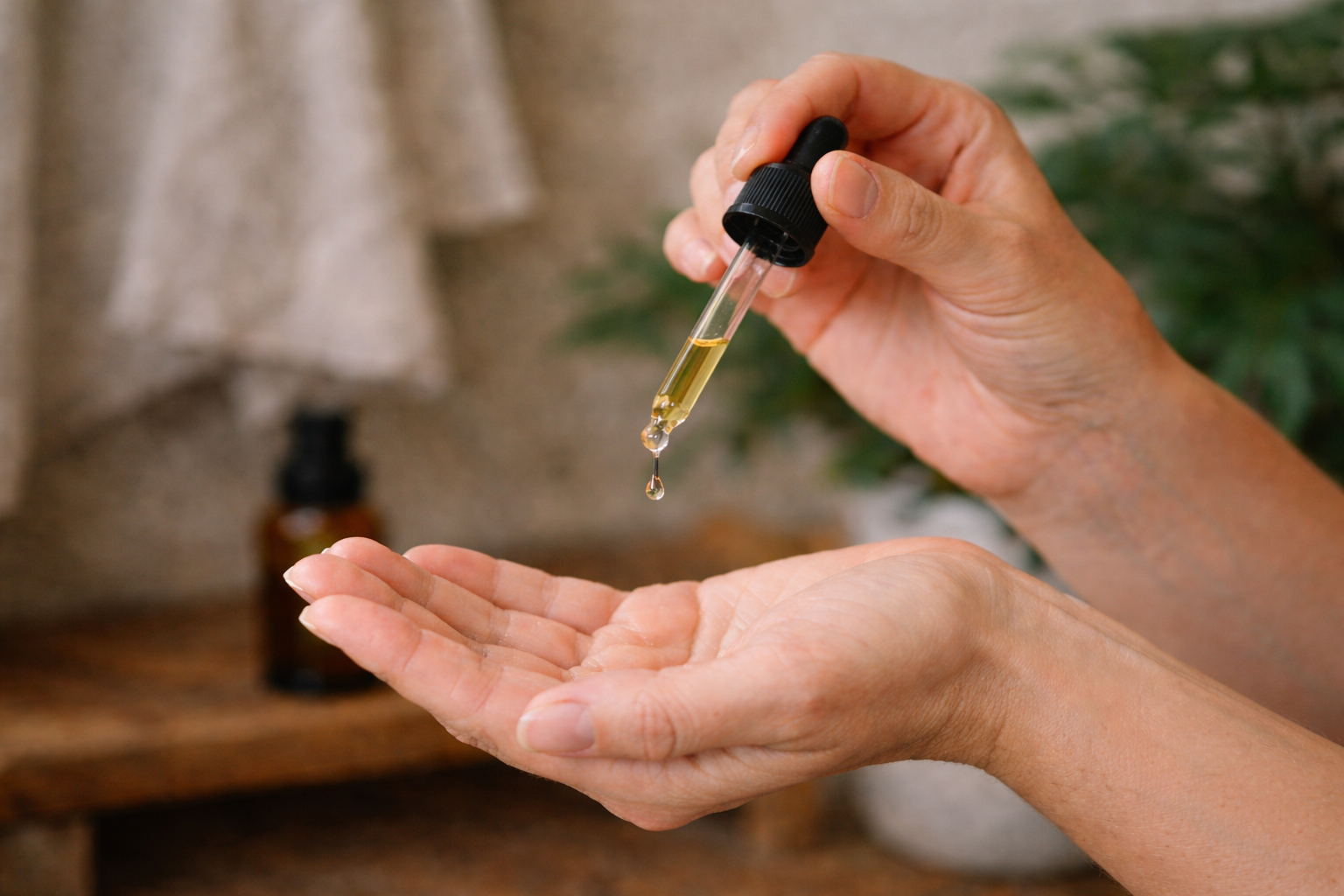
When you want to know how to improve your skin texture naturally, the most beautiful approach is often the simplest. Think of it less like a quick fix and more like a steady little ritual.
You’re sweeping away what your skin doesn’t need anymore, then following with the moisture and nourishment it does.
Step One: Gently Resurface to Reveal a Smoother Look
The very first step is addressing the buildup. Gentle exfoliation works beautifully in harmony with your skin.
Instead of scrubbing at your skin or trying to force texture away, a good botanical exfoliant should feel more like a soft reset.
It helps lift away the surface buildup that can make skin look dull or feel rough, without leaving your face feeling irritated or overworked.
For most skin, 2 to 3 evenings a week is plenty. Massage gently for 30 to 60 seconds in slow circles, then let the formula do what it came to do. No aggressive scrubbing needed.
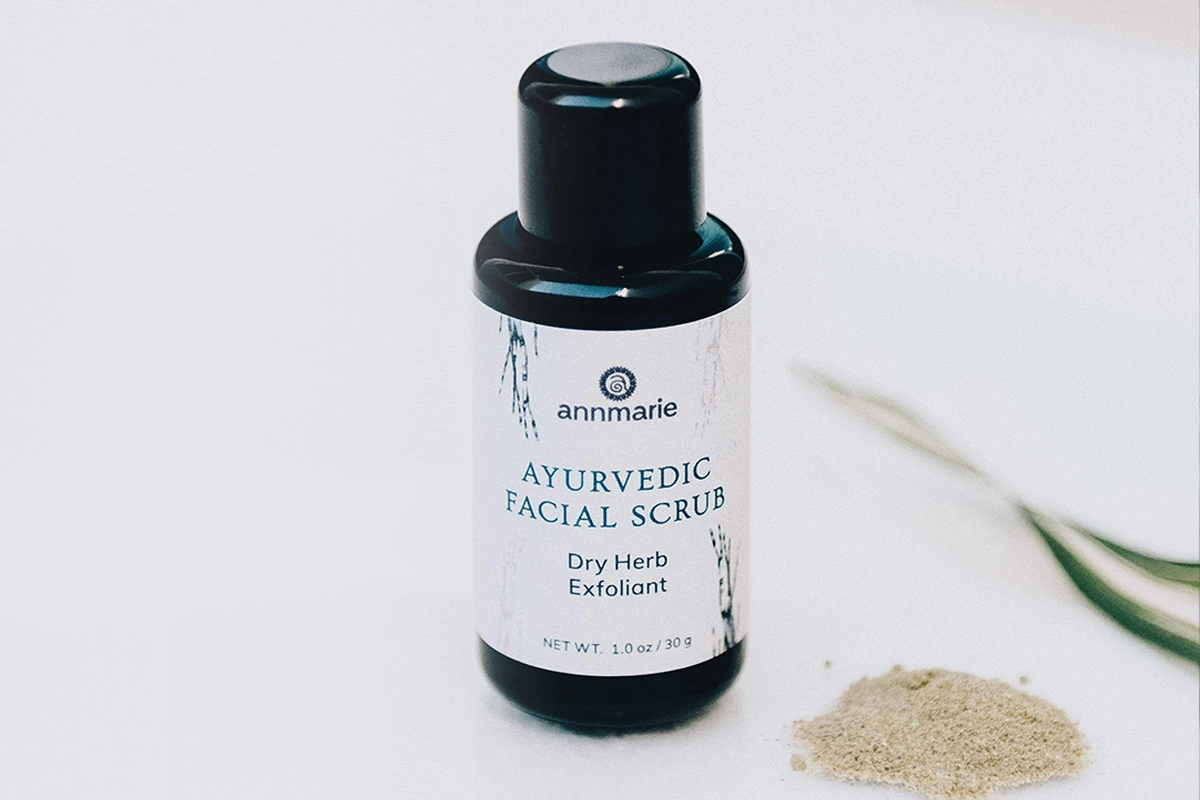
Our Ayurvedic Facial Scrub offers a beautifully gentle botanical blend that naturally draws out a more luminous, even look while honoring the skin’s delicate surface.
Step Two: Nourish and Soften with Facial Oils
A lot of routines stop at exfoliation, but that’s only half the story.
Once you’ve polished away buildup, your skin needs moisture and nourishment brought back in. Otherwise, it can feel tight, dry, or a little too exposed instead of soft, smooth, and comfortable.
Bringing in pure plant oils helps to gently soften, soothe, and support a visibly smoother appearance. These oils closely resemble the skin’s own natural oils, making them a naturally harmonious choice for skin that is working to find its balance.
After exfoliating, press a few drops of facial oil into your skin while it’s still feeling fresh and receptive.
This is the step that helps everything feel soft, comfortable, and cared for again. And once you feel the difference, it usually becomes the part of the ritual you look forward to most.
For skin that leans oilier or feels congested alongside the texture concern, our Herbal Facial Oil for Oily Skin is a beautifully well-suited choice, offering lightweight botanical nourishment that supports a refined, balanced appearance.
For skin that feels drier or more sensitive during textured periods, our Anti-Aging Facial Oil provides a richer layer of comfort that helps the skin feel deeply cushioned and cared for.
Common Mistakes Worth Gently Setting Aside
Before adding more steps or exfoliating more often, it’s worth pausing for a second. Sometimes a small, simple adjustment is all your skin is really asking for.
Over-enthusiastic scrubbing is one of the most common and understandable mistakes.
Scrubbing too firmly or too frequently can actually prompt more roughness over time, like stirring a still pond into ripples rather than letting the surface settle. A lighter touch with a well-chosen botanical formula delivers more comfort and leads to better results.
Layering too many products can start to work against you.
Instead of supporting your skin, it can feel like everything is competing at once. And when texture shows up, the answer is usually to simplify, not add more.
Rushing through cleansing without a nourishing follow-up leaves the surface feeling parched and prickly, missing the harmony that comes from the sweep-and-nourish sequence.
The exfoliation step opens the door; the oil step is what walks through it.
Holistic Habits to Support a Beautiful, Smooth Appearance
And while a weekly ritual can help, the little things you do every day matter just as much.
Keeping your routine consistent, supporting your skin with enough moisture, and not overdoing it are what help skin feel smoother and more comfortable over time.
Mindful, Gentle Cleansing
Cleansing should never leave your face feeling tight, squeaky, or uncomfortable.
Harsh cleansing can strip away the oils your skin actually needs, leaving it feeling tight, dry, and thrown off balance. A gentle cleanser that works with your skin’s natural rhythm rather than against it is the single most foundational daily choice you can make.
Massaging our Aloe-Herb Facial Cleanser into the skin is a lovely, aloe-infused starting point for a supportive daily ritual that gently washes away the day while keeping skin remarkably soft.
One small, practical detail worth noting: very hot showers can leave a lingering warmth that slows the skin’s daily refresh and gradually contributes to surface roughness over time. A cooler rinse at the end of cleansing, even just for the final few seconds, tends to leave the skin feeling noticeably more settled and comfortable.
Internal Hydration and Nourishing Foods
A visibly smooth appearance is nurtured from the inside out.
Drinking plenty of water and herbal teas throughout the day naturally supports your skin’s soft, dewy cushion from within.
Eating vibrant, water-rich foods and whole ingredients rich in seeds and greens tends to coax a suppleness to the surface that topical products alone cannot fully create.
The connection between what we eat, how we rest, and how our skin feels is one of the most grounding things to understand on a holistic skin care journey.
Sleep and Stress as Texture Influences
The skin does much of its natural renewal work overnight, which is why consistently restful sleep tends to show up on the face in a way that no product can fully replicate.
A rough night of sleep can show up on your skin, too.
When your rest is off, your skin can look a little less smooth, a little less fresh—like it just didn’t fully reset overnight.
Stress weaves its own quiet influence into skin texture too. A calming evening wind-down, a few slow breaths, a chamomile steep before bed — these small rituals show up on the skin’s surface in ways that are just as real as anything you apply in your routine.
Embracing Your Beautiful Form
Your skin is always changing, and that’s completely normal.
Supporting it doesn’t have to be complicated. Sometimes it’s just a few thoughtful moments: gently clearing away surface buildup, pressing moisture back in, and letting your skin feel smooth, soft, and cared for again.
So the next time you find yourself wondering why your skin feels more textured than usual, remember how simple it is to guide your skin back to a beautifully soft, harmonious state.
Explore our thoughtfully crafted collection of pure, wildcrafted skin care designed to honor and nourish your natural beauty.
Frequently Asked Questions About Skin Texture
Why is my face texture so bad even with a consistent routine?
If your skin feels uneven despite a consistent routine, the products themselves may be a little too active or the nourishing step may be missing after exfoliation. Stripping the natural protective layer can cause the surface to temporarily feel dry or out of balance. Try stepping back to a simpler ritual with pure, plant-powered ingredients that gently support rather than disrupt your unique skin. Sometimes the quietest changes compound into the most noticeable results over time.
Why is my face textured all of a sudden?
A sudden shift in texture is most often linked to an environmental or seasonal change rather than anything you have done wrong.
A drop in humidity, exposure to urban dust and wind, a change in your water source, or the introduction of a new product can all prompt a temporary textural response.
Returning to a simplified, gentle routine for one to two weeks and adding a nourishing oil step in the evening tends to help the skin find its way back to comfort quite naturally.
How long will it take to improve the texture of skin on my face?
Supporting your skin is a graceful journey rather than a quick fix.
A botanical polish can leave skin feeling softer right away. But the more lasting visible changes usually come with consistency. Your skin moves through its own renewal rhythm, and a full skin cycle can take about 30 days, give or take. For some skin, it may take a little longer.
So the goal is not to rush it. It’s to work with your skin’s natural pace, so the results feel comfortable, steady, and easier to maintain.
Can what I eat or how I sleep affect my skin’s texture?
Yes, and this is one of the most empowering things to understand. Internal hydration, sleep quality, and a diet rich in vibrant, nourishing whole foods all quietly contribute to how the skin’s surface looks and feels.
The skin does its natural renewal work while you sleep, which is why restful nights and a calming evening ritual tend to show up on the face in a way that no single product can replicate on its own.
Does my evening wind-down routine affect how my skin looks in the morning?
More than most people realize. A calm, unhurried evening ritual, ending with a nourishing botanical oil and a few minutes of genuine quiet, sets the skin up beautifully for overnight renewal. The skin is most receptive in the hours just after cleansing, and what you offer it in those moments tends to show up the next morning as a noticeably softer, more settled surface.
What can I do about skin texture when I am traveling?
Travel introduces a unique combination of texture triggers: recycled air on planes, unfamiliar water sources, schedule disruptions, and changes in humidity and climate.
Keeping your ritual simple and portable makes the biggest difference.
A small cleansing oil, a gentle exfoliant used once or twice during the trip, and a reliable botanical facial oil cover all the essential bases without overwhelming a bag or a routine that is already navigating a lot of change.







Leave a Reply