


Table of Contents[Hide][Show]
Key Takeaways:
- Hard water is one of the most common and least talked-about environmental factors affecting skin comfort across the United States, with more than 85% of American homes supplied with tap water high in natural minerals.
- Calcium and magnesium minerals left behind after water evaporates form an invisible film on the surface of the skin, making it harder for moisture to settle in and leaving behind that familiar tight, dull feeling.
- This quiet buildup can contribute to an uneven texture, a congested feel, and a persistent lack of radiance that a great skincare routine alone may not fully resolve.
- A gentle, intentional cleansing ritual, paired with a few simple everyday adjustments, helps lift this mineral residue and restore a comfortable, balanced feel to the complexion.
We’ve all had that moment at the sink.
You rinse your face, expecting that fresh, clean feeling… and instead your skin immediately feels tight, dry, or just a little dull. Not exactly the post-cleanse glow we’re going for.
And then comes the guessing game: Is my cleanser suddenly too much? Is my skin changing? Is the weather messing with me? Did my routine randomly decide to stop cooperating?
Usually, it’s not that your skin is being difficult. It’s trying to tell you something.
The truth comes straight from your tap. Before you question your routine or worry about a sudden change, it helps to take a mindful pause and look at an often-overlooked environmental element: the water itself. Exploring the hard water effects on skin can be an incredibly empowering first step toward rebalancing your daily ritual and effortlessly revealing a softer, more vibrant look.
The Unseen Elements in Your Daily Splash
A question we frequently hear is: is hard water bad for your skin? The simple answer is rooted in nature, not worry. Studies suggest that more than 85% of homes across the United States are supplied with tap water carrying elevated levels of rich, earth-derived minerals, primarily calcium and magnesium. While perfectly harmless to drink, these minerals behave quite differently on the surface of the skin.
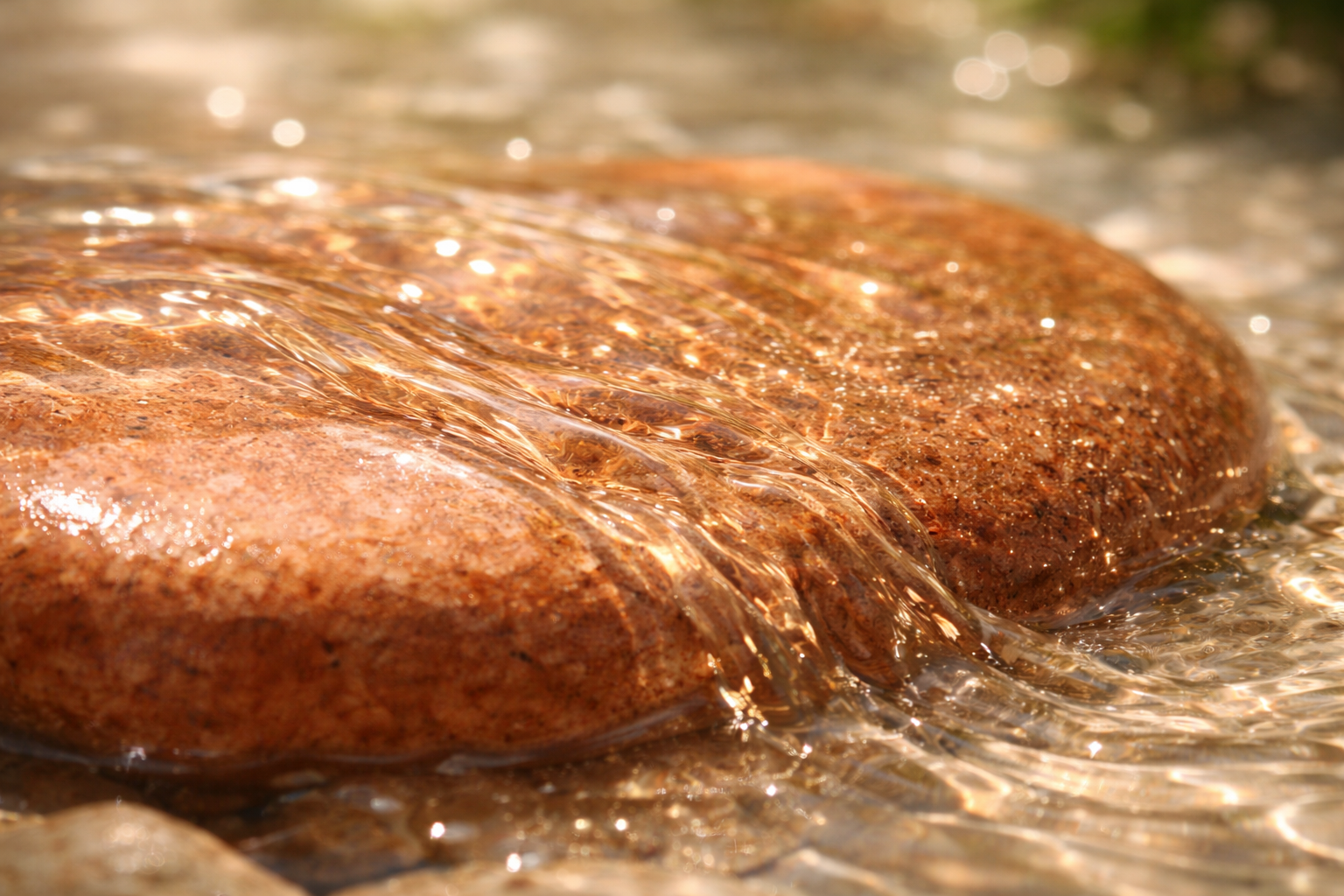
As water evaporates after each wash, these natural elements leave behind an invisible, filmy residue. Think of this gently deposited layer as a sheer veil that inadvertently keeps your skin from feeling truly clean. Over time and with repeated daily exposure, this quiet accumulation becomes the invisible reason behind that persistent tight, rough, or lackluster feeling that no amount of moisturizer seems to fully resolve.
That’s where a more intentional cleanse makes all the difference.
A good facial cleanser should sweep away the buildup your skin collects throughout the day, without leaving it feeling stripped or tight afterward. Clean, comfortable, and actually ready for the rest of your routine.
How Hard Water Affects Your Skin: The Full Picture
That Tight, Parched Feeling After Washing
To understand the “why” behind that tight feeling, picture your skin’s surface as a delicate shield that relies on a continuous harmony of moisture and natural oils to remain resilient and comfortable. Mineral residue acts much like a tiny, uninvited raincoat across that shield, sitting between your skin and the outside world and quietly making it harder for hydration to settle in.
Once you understand that the very water meant to cleanse and refresh is instead leaving behind a layer that works against moisture, that persistent post-wash tightness starts to make a lot more sense. This is why the skin can feel noticeably drier and more uncomfortable after washing, even when you are using a gentle, well-suited cleanser. Understanding why it happens helps you make better choices for your skin.
Dullness and an Uneven, Grayish Look
When mineral residue settles on the surface of the skin, it physically interferes with the way skin reflects light. Healthy, clear skin catches light gently and evenly, lending that soft, luminous quality we instinctively recognize as a radiant complexion. A filmy mineral layer sitting on top disrupts this natural light reflection, making the skin look flat, grayish, or tired regardless of how consistent your routine has been.
This is one of the most commonly overlooked reasons behind persistent dullness, and one of the most encouraging to discover, because it means the solution is far simpler than you might think. Knowing what a genuinely clear, comfortable complexion looks and feels like gives you a meaningful point of reference as you work to lift this invisible layer.
The Congestion and Texture Cycle
When the skin’s surface feels persistently tight and stripped of comfort, it responds by producing more of its own natural oils in an attempt to find relief. This is a completely understandable response from the skin. However, when those natural oils combine with the existing mineral residue and daily environmental debris, the result can be an uneven texture, a congested feel, or the appearance of enlarged pores.
It is not a contradiction; it is the skin doing its best to adapt to an invisible stressor. Understanding why pores feel congested helps complete this picture for anyone whose skin tends to feel both dry and congested at the same time.
Temporary Redness and Increased Sensitivity
Hard water can also make the skin feel more reactive than usual. When mineral residue combines with the residue of an incompletely rinsed cleanser, it can leave an uneven layer on the surface that contributes to a flushed, uncomfortable look. For those already navigating sensitive skin, paying attention to water quality is a genuinely worthwhile part of the larger skin care conversation.
The good news is that the same principles of gentleness and intentionality that support sensitive skin in general translate beautifully here too.
A Gentle, Intentional Routine for Hard Water Environments
Step One: An Oil Pre-Treatment to Dissolve Mineral Film
For evenings when the skin feels especially burdened by the day’s buildup, beginning your cleansing ritual with a plant oil pre-treatment can make a meaningful difference. Applied to dry skin before your regular cleanser, a botanical oil works on the simple, satisfying principle that oil attracts oil, gently dissolving the sticky combination of mineral residue, natural oils, and daily grime so that your cleanser can sweep everything away far more effectively.
A formula like our Restorative Cleansing Oil fits beautifully in this first step. Crafted with nutrient-rich plant oils that closely resemble the skin’s own natural oils, it helps to gently lift away impurities while leaving the skin feeling nourished and comfortable, never tight or stripped. The reasoning behind double cleansing explains why this two-step approach works so thoughtfully as a daily or evening ritual.
Step Two: A Gentle, Non-Stripping Cleanser
Following your oil step, a truly gentle cleanser completes the cleansing ritual by sweeping away the loosened mineral residue and any remaining impurities.
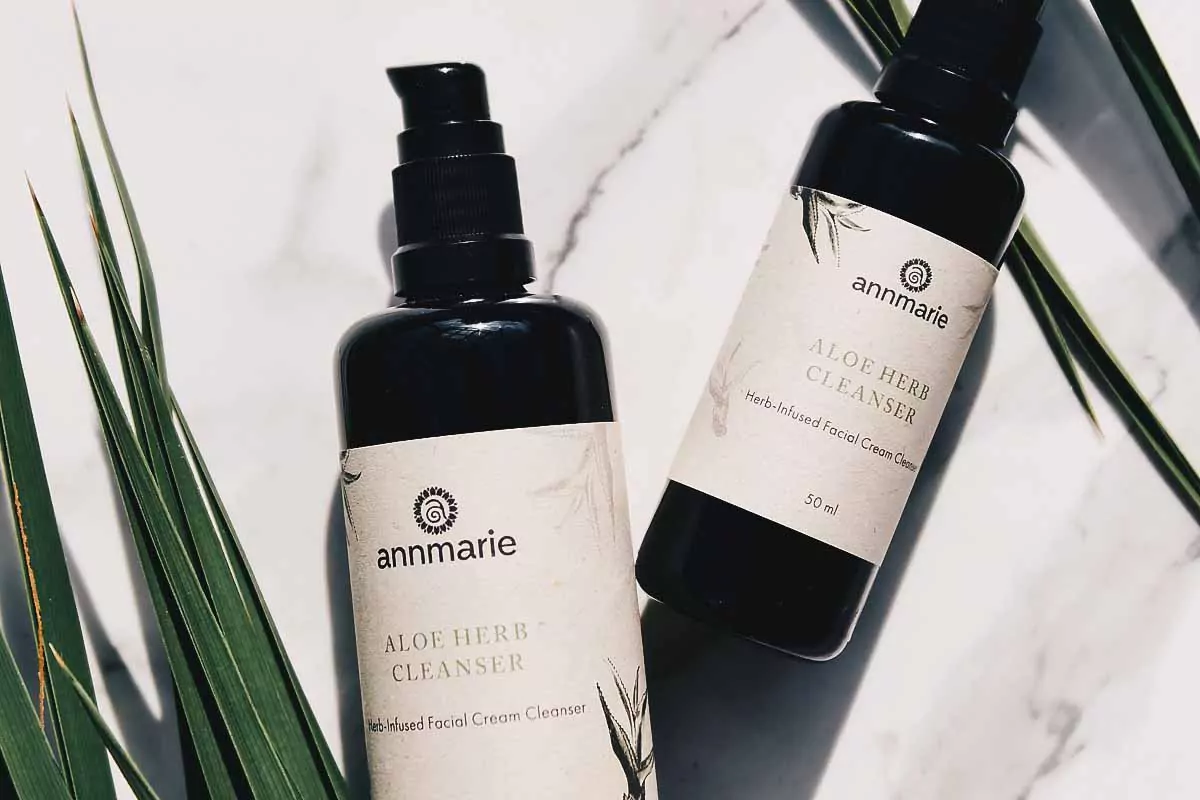
The guiding principle here is always the same: choose gentleness. Strongly foaming formulas can add to the dryness rather than resolve it, particularly in hard water areas where the skin is already working harder than usual to stay comfortable.A formula like our Aloe-Herb Facial Cleanser works beautifully here. Thoughtfully crafted with soothing botanicals, it gently draws in impurities and sweeps away daily residue without any of the tightness that harsher formulas can leave behind.
Rinsing with cooler water rather than hot can also make a noticeable difference, as hot water tends to encourage the skin to feel more stripped after washing, compounding the effects of mineral residue.
Step Three: A Toning Mist to Refresh and Rebalance
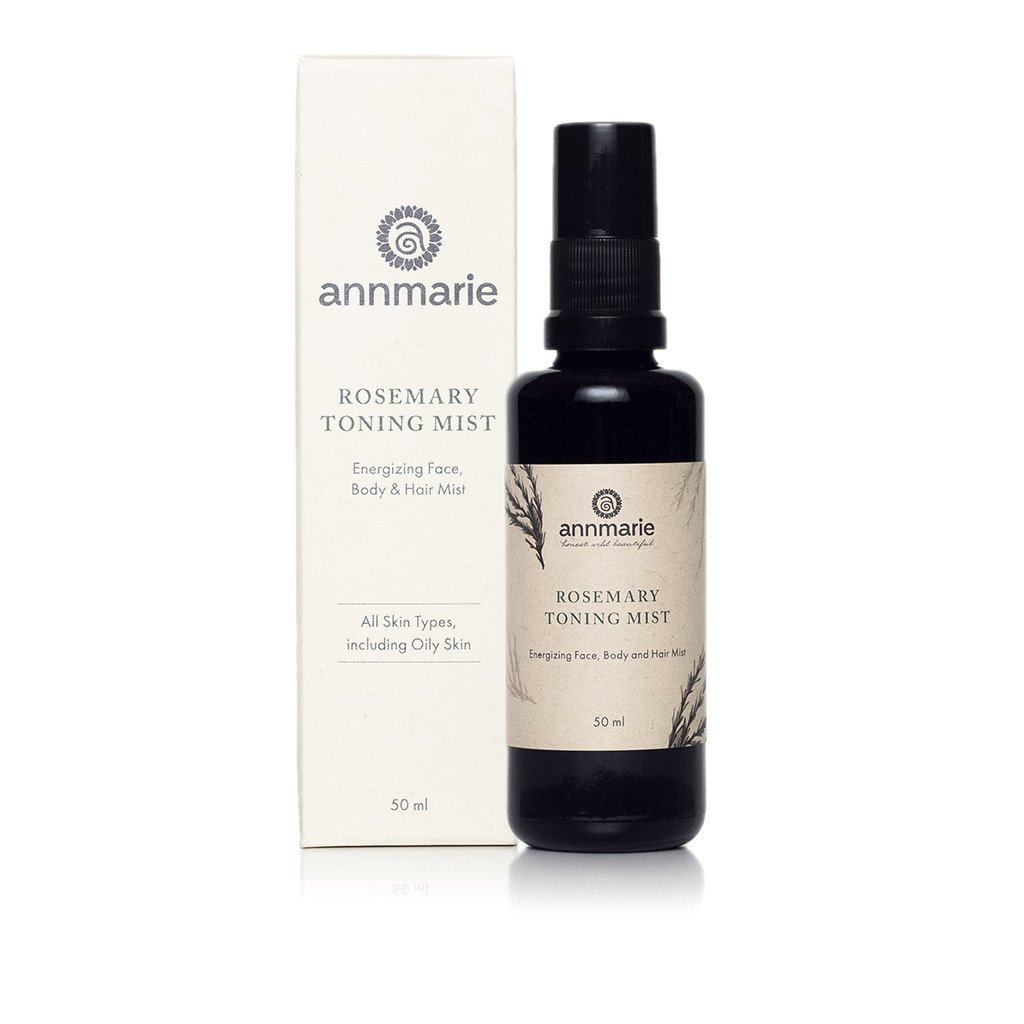
Once the mineral film has been cleared, the skin naturally benefits from a gentle refresh to restore a harmonious, settled feel. This is where a targeted toning step becomes a quietly powerful part of the ritual. A quick, intentional spritz of our Rose Hydrosol gives skin that fresh, dewy layer of plant-powered hydration, helping it feel calm, balanced, and ready for the moisturizer or facial oil that comes next.
What a toner is actually doing in this moment is worth understanding, especially in a hard water environment where this step earns its place rather than serving as an optional extra.
Step Four: Lock in Moisture Promptly
In hard water environments, timing your moisturizing step matters more than you might expect. Applying a hydrating moisturizer or facial oil within the first few minutes after cleansing, while the skin is still slightly damp, helps your skin draw in and hold onto moisture far more effectively than waiting until it has fully dried.
Look for formulas that include natural humectants like aloe vera or hyaluronic acid, which help the skin feel more comfortable and hydrated throughout the day. A facial oil layered afterward adds an extra layer of comfort to finish the ritual. Using it correctly makes the difference between a step that feels luxurious and one that feels heavy.
Practical Everyday Adjustments Worth Exploring
Consider a Showerhead Filter
One of the most practical and lasting adjustments you can make if you live in a hard water area is to install a simple showerhead filter. Widely available at most home improvement stores for roughly twenty to fifty dollars, these filters are designed to reduce the concentration of minerals in your water before it reaches your skin. Many people find this single, one-time change makes a noticeable difference in how their skin feels over time, particularly if persistent dryness or dullness has been difficult to resolve through skincare adjustments alone.
A Weekly Gentle Vinegar Rinse
A simple, time-honored folk practice that many people find helpful is using a very diluted rinse of apple cider vinegar, mixed at roughly one part vinegar to four parts water, as an occasional final rinse after cleansing. The mild acidity of the vinegar helps to dissolve lingering mineral deposits gently and naturally. This is not an everyday practice but rather a weekly ritual for those who want an extra layer of mineral-clearing support between their regular cleansing sessions.
A Monthly Clay Mask Reset
A gentle clay mask used once or twice a month provides another layer of deep, mineral-lifting support. Clay has a natural affinity for drawing out buildup from the surface of the skin, making it a beautiful complement to your regular cleansing routine in hard water environments.
Test Your Water at Home
If you are unsure whether hard water is contributing to your skin concerns, simple home water hardness test strips are widely available and easy to use. Testing your tap water takes only a few minutes and gives you a clear, grounded answer, allowing you to make informed decisions about your routine rather than guessing. Different regions across the United States experience varying degrees of water hardness depending on local groundwater sources, so knowing your specific situation helps you personalize your approach with confidence.
Choose pH-Balanced Products Where Possible
Hard water tends to run on the more alkaline side, which can leave the skin’s surface feeling temporarily off-balance after washing. Choosing skin care products formulated to work in harmony with your skin’s natural balance helps restore a comfortable, settled feel more quickly after each cleanse. This is another reason why pairing a gentle botanical cleanser with a well-formulated toning mist makes such a meaningful difference in hard water environments across the country.
Embracing a Simple Ritual for Resilient Skin
Your daily routine is far more than a chore. It is an intimate, mindful act of self-care and connection.
Understanding the hard water effects on skin reminds us that environmental influences are not challenges to fear, but simply small, everyday elements that create temporary shifts. Listening to your skin and embracing a grounded, supportive ritual allows you to adapt to these changes gracefully and without unnecessary worry.
By prioritizing gentle, intentional cleansing alongside calming hydration, you give the skin exactly what it needs to sweep away what no longer serves it, leaving it feeling soft, comfortable, and balanced from one day to the next. We warmly invite you to continue exploring pure, mindful solutions through our entire collection of organic skin care and to inspire your timeless, natural radiance every single day.
Frequently Asked Questions About Hard Water and Skin
Does hard water cause skin darkening?
Hard water does not inherently change your skin’s natural pigment or tone. What it does do is create the appearance of a duller, grayer, or more uneven complexion by depositing a thin mineral film that interferes with the way the skin reflects light. When you lift this invisible residue away consistently with a gentle cleansing ritual, the skin’s natural brightness tends to return quite naturally.
Can hard water cause skin irritation?
Yes, it can contribute to temporary discomfort, particularly when mineral residue combines with the residue of an incompletely rinsed cleanser on the surface of the skin. This combination can create an uneven layer that makes the skin feel reactive, tight, or flushed. A gentle, thorough cleansing ritual using botanical formulas that rinse away cleanly and completely is one of the most loving and effective approaches to keeping the skin feeling calm and comfortable.
Is hard water a bigger concern for certain skin types?
Those with naturally dry skin or skin that tends toward sensitivity may notice the effects of hard water more readily than those with naturally oilier skin types. This is simply because skin that is already navigating a delicate moisture balance has less buffer against additional disruption. Adapting your routine to include gentler formulas and a consistent toning step can make a meaningful difference for these skin types in particular.
Does hard water affect the body as well as the face?
Absolutely. The scalp, back, chest, and any area of skin that comes into regular contact with hard water can experience similar shifts: dryness, flakiness, an itchy or uncomfortable feel, and an uneven texture. Choosing gentle, botanical body washes and paying attention to how the skin on your body feels after showering can help you identify whether hard water is a contributing factor beyond your face alone.
How long does it take to see improvement after adjusting the routine?
Most people begin to notice a difference within one to two weeks of consistently following a gentle cleansing ritual suited to their water type. The skin is remarkably responsive when given the right conditions to find its natural balance. Patience and consistency tend to deliver far more lasting results than any single dramatic intervention.








Leave a Reply