


Table of Contents[Hide][Show]
Key Takeaways:
- Everyday buildup, a natural mix of your skin’s own oils, shed skin cells, environmental dust, and daily grime, is the most common reason pores feel textured or look dull.
- Hormonal shifts, stress, and certain makeup ingredients can quietly increase how much oil your skin produces, making congestion more frequent.
- Harsh cleansers can sometimes make things worse by stripping the skin’s natural protective layer, which may lead to increased oil production.
- A gentle, mindful double cleansing ritual—oil first, then a water or aloe-based wash—helps dissolve and sweep away buildup without disrupting your skin’s natural balance.
We’ve all been there: you run a hand across your cheek or catch your reflection in a certain light and notice a rough, uneven texture that wasn’t there before. It’s an incredibly common experience, and one that can feel quietly frustrating. But here’s a perspective worth sitting with. Your skin isn’t working against you. It is simply communicating a need for a little extra balance and care.
Shifts in texture aren’t a flaw. They are a natural part of living in a body that interacts with the world every single day. Understanding the real, everyday reasons behind pore buildup is an important first step.. From there, a gentle and intentional facial cleansing routine can help support balance over time, quietly and consistently, without ever needing to rely on anything harsh.
Understanding Your Skin: What Causes Clogged Pores?
To genuinely support your skin, it helps to understand what is actually happening beneath the surface. Not in a clinical, textbook way, but in a simple, observable way that makes the whole thing feel a lot less mysterious.
What’s Actually Happening Inside Your Pores Every Day?
Your skin continuously produces oils to keep itself soft, moisturized, and shielded from the outside world. Think of this oil like a cozy, invisible raincoat. It is there on purpose, designed to hold good moisture in and keep the harsh elements out. The skin also naturally sheds old cells to make way for fresh ones, a quiet, ongoing process that happens around the clock.
The challenge arises when these natural oils meet shed skin cells and combine with the daily accumulation of dust, sweat, and the residue left behind by makeup or environmental pollutants. Together, they form a naturally sticky blend that can settle into pores. The result is the everyday buildup we recognize as textured or dull-looking skin.
Why Hormones, Stress, and Certain Products Matter
It’s a moment of hesitation we’ve all experienced: doing everything “right” and still noticing more congestion than usual. The truth is, there are several quietly contributing factors that go beyond cleansing alone.
Hormonal shifts, during different life phases or across the natural rhythms of a monthly cycle, can lead the skin to produce more oil than usual. Stress can have a similar effect, and is often associated with increased oil production. Even certain makeup ingredients, like lanolin or some heavy plant-based oils when used in non-cleansing formulas, can contribute to build up over time if not thoroughly rinsed away each evening.
The way stress shows up on your skin is a fascinating and often overlooked part of the picture, and understanding that connection makes it easier to approach your skin with real compassion rather than frustration.
Where Congestion Tends to Gather
If you’ve ever wondered what causes clogged pores specifically on the nose or across the forehead, the answer comes down to how naturally oily those areas tend to be. The T-zone, nose, forehead, and chin, is home to a higher concentration of oil glands, making it the most common gathering point for build up. It is not a flaw in your skin; it is simply how that area is designed.
The same story applies to the body. On the back or chest, daily sweat naturally mixes with the skin’s own oils, and the gentle friction of clothing against skin throughout the day can quietly encourage buildup. Reaching for a pH-balanced, gentle body wash after activity can help keep things feeling fresh and comfortable.
Why Pores Keep Getting Clogged Even When You Cleanse
Standing at the sink and asking “why does this keep happening even though I wash my face every day?” is one of the most common and most valid questions in skin care.
The answer is often found in the approach rather than the frequency. Cleansers with a strong, stripping formula can pull essential moisture from the skin’s natural protective layer. When that layer feels depleted, the skin may compensate, sometimes quite quickly, by producing more oil than before. This creates a cycle that is genuinely exhausting: the more aggressively you cleanse, the more oil the skin may produce, which can lead to it feeling more congested.
The temperature, pressure, and formula you choose matter more than how often you cleanse — and getting those details right is often the single most impactful shift you can make for a clearer complexion.
Clogged Pores vs. Unclogged Pores: Reading Your Skin’s Cues
One of the most grounding things you can do for your skin is simply learn to observe it with curiosity rather than criticism. When pores are clear, the surface of the skin catches and reflects light gently, lending that soft, luminous quality we instinctively recognize as healthy-looking skin. The texture feels smooth and the skin appears to breathe with ease.
When pores are congested, that sticky mix of oils and debris can sit more heavily within them. The skin can look dull, feel slightly raised or uneven, and in some cases, experience temporary redness.This is the skin asking, in its quiet way, for a reset. Understanding what triggers that flush can help you read these cues with even more confidence.
Knowing what a genuinely clear, comfortable complexion actually looks and feels like gives you a meaningful point of reference, a north star for your routine rather than an impossible standard.
How to Address Clogged Pores Gently and Naturally
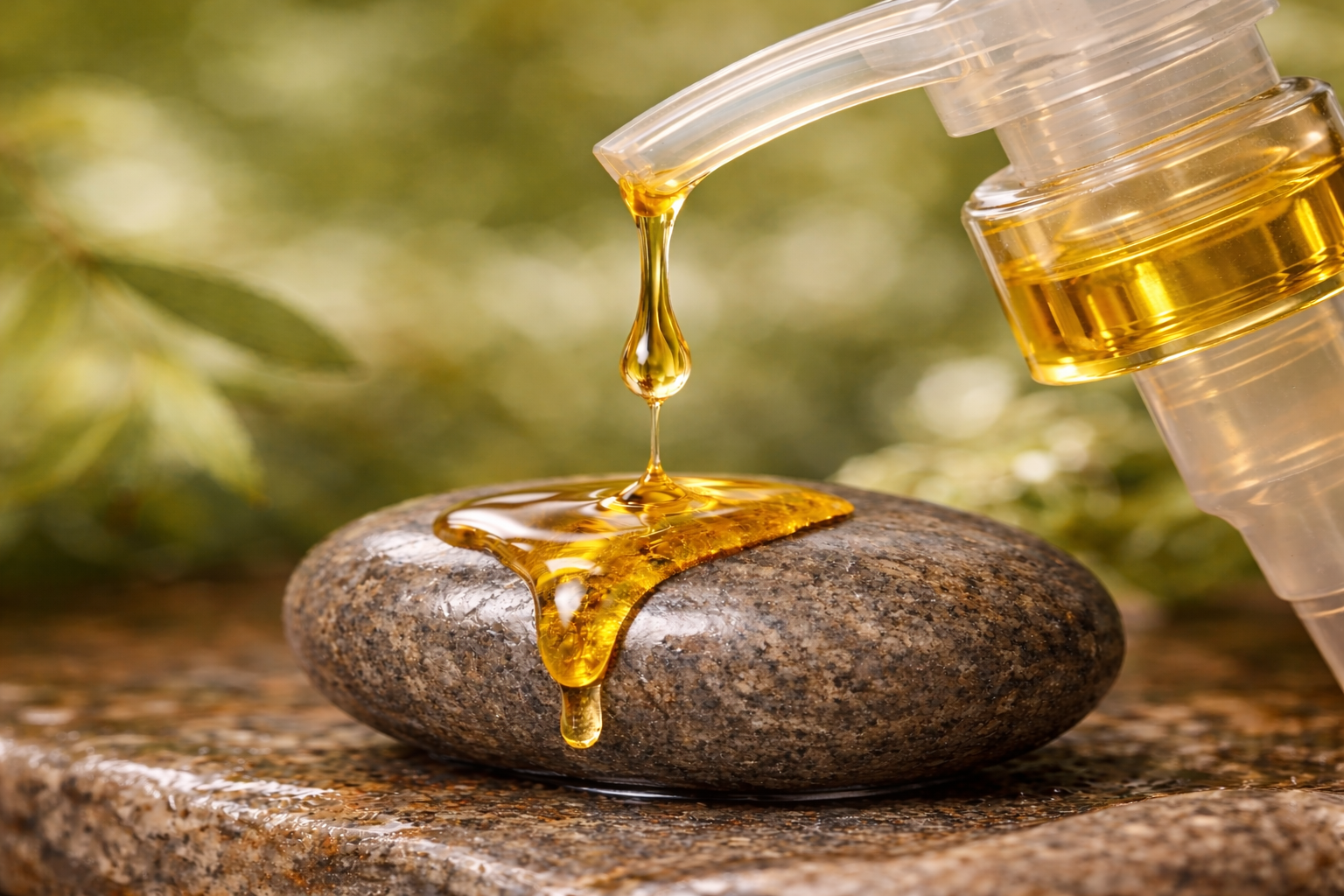
A gentle and supportive approach to caring for congested pores is the gentle ritual of double cleansing, a two-step practice built on a beautifully simple principle: “like dissolves like.” Oil-based impurities, your skin’s natural oils, the residue of makeup, and traces of SPF, respond to oil. Water-based dirt and sweat respond to water. Addressing both in sequence helps thoroughly cleanse the skin without ever disrupting its natural protective layer.
Step 1: Dissolving Impurities with a Cleansing Oil
Begin this ritual on dry skin. Dispense a small amount of cleansing oil into your palms and take a mindful 60 seconds to massage it gently across your face in slow, circular movements. As you do, the oil helps dissolve the day’s buildup, loosening the mix of oils and debris without the need for any force or friction. Add a little warm water and the oil will emulsify, turning slightly milky as it rinses away impurities.
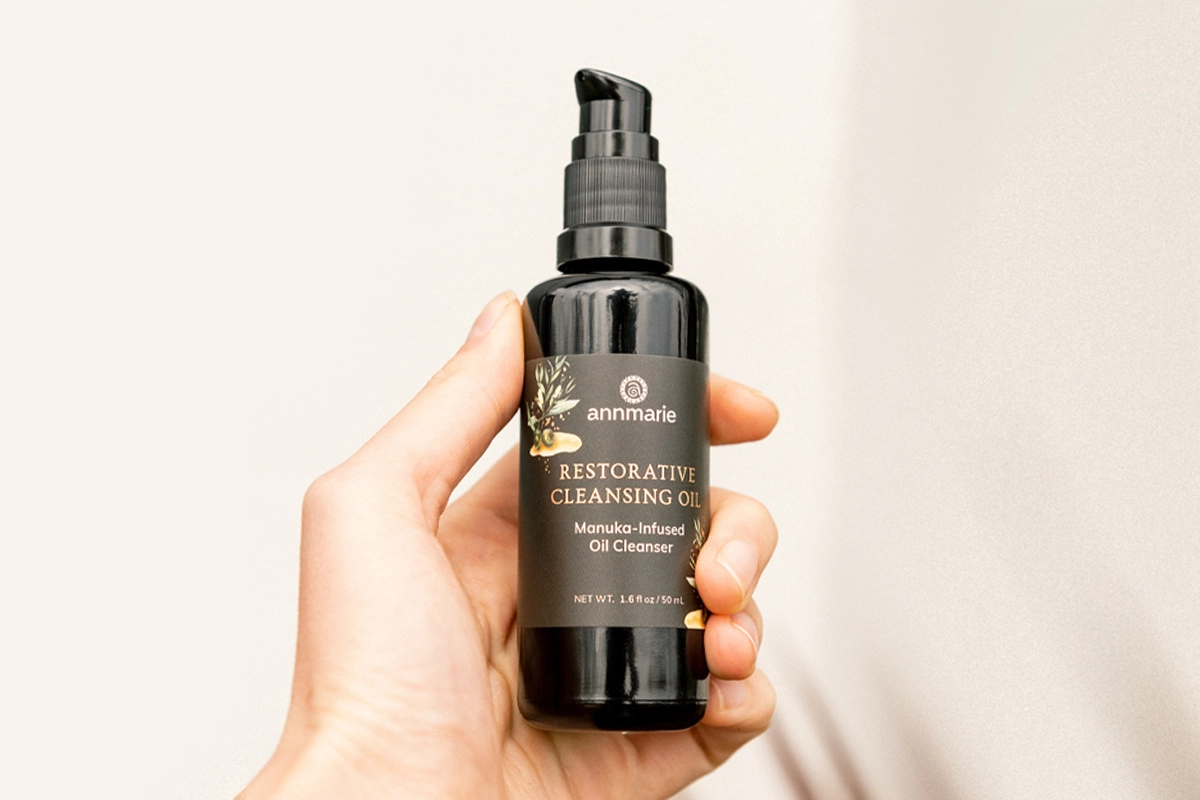
A formula like our Restorative Cleansing Oil fits beautifully here. Crafted with nutrient-rich plant oils that closely resemble the skin’s own natural oils, it helps to gently lift away impurities while leaving the skin feeling soft and balanced, never leaving it feeling tight, dry, or stripped. Rinse thoroughly with lukewarm water before moving to step two.
Step 2: Sweeping Clean with a Gentle Water or Aloe-Based Cleanser
The second step lifts away whatever the oil step has loosened: water-soluble residue, any remaining traces of the cleansing oil itself, and any last traces of the day. Apply your gentle water- or aloe-based cleanser to damp skin and massage for 30 to 60 seconds, giving a little extra attention to the T-zone if needed. Rinse with cool water and pat, never rub, dry.
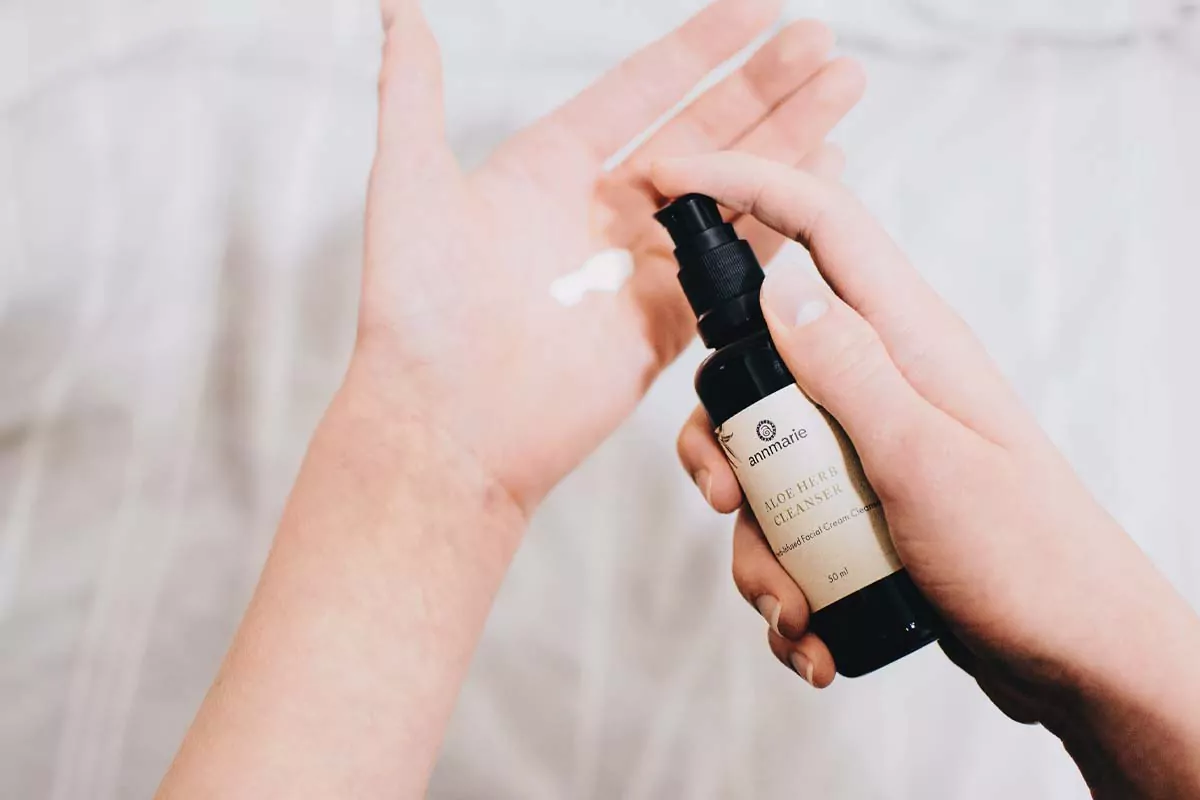
A thoughtful formula like our Aloe-Herb Facial Cleanser beautifully finishes this mindful cleansing process. Its herb-infused nature is well-suited for all skin types, leaving the complexion feeling calm and ready for your favorite serums and moisturizers. Our full collection of face cleansers offers a range of textures suited to different skin rhythms and seasonal needs.
While the skin is still slightly damp, a toning mist makes a beautiful bridge between cleansing and the rest of your ritual, helping everything that comes next layer on more seamlessly.
Gentle Extras Worth Exploring
Beyond cleansing, a few additional practices can complement your routine on the days your skin craves a little extra attention. A weekly 5-to-10-minute steam session before cleansing can help pores feel more open and receptive. Clay masks, particularly those featuring kaolin or bentonite, can help absorb excess oil between cleansing sessions, while mild fruit enzymes like those found in papaya help support the natural shedding of old skin cells without any harsh scrubbing. Aloe vera and green tea both lend a soothing, calming feel to the skin.
For those curious about exfoliation, a light approach two to three times a week can help support smoother-looking texture without tipping into over-exfoliation, which can sometimes be associated with increased oil production and more noticeable buildup.
Embracing Clearer, Balanced Skin Every Day
When we shift our perspective on what causes clogged pores, cleansing stops feeling like a chore and begins to feel like something entirely different. A pause. A ritual. An intentional moment to connect with yourself and honor what your skin actually needs.
A clearer, more balanced complexion often comes not from fighting your skin, but from listening to it gently and responding with ingredients born from the earth. Explore our full collection of wildcrafted organic skin care to find the formulas that feel like home for your skin’s unique rhythm.
Frequently Asked Questions About Clogged Pores
Are clogged pores completely avoidable?
Not entirely, and that is perfectly okay. The skin is always refreshing its surface, interacting with the environment, and responding to the rhythms of your inner life. Some degree of buildup is simply part of that natural process. The goal is never sterile perfection. The goal is a consistent, nourishing routine that gently keeps things in balance over time.
Will putting oil on my face make clogged pores worse?
This is one of the most common concerns we hear, and the answer is generally no when it comes to cleansing-grade botanical oils. The principle of “like dissolves like” means that a high-quality plant oil, used as a cleanser and properly rinsed away, can help lift excess buildup rather than add to it. Because these oils closely resemble the skin’s own natural oils, they help loosen impurities while keeping your natural protective layer feeling balanced — which is why oil cleansing can work well for many skin types.
What about clogged pores on the body?
The same gentle principles apply. For the back or chest, reaching for a pH-balanced, gentle wash after physical activity can help sweep away the combination of sweat and natural oils before they have a chance to settle. Tight synthetic clothing worn for extended periods can also contribute to buildup, so giving the skin room to breathe where possible can make a real difference.
How do I know what skin type I have?
Knowing your skin type is a genuinely useful compass for choosing the right cleansing oil, the right water-based formula, and the right pace for your routine. A simple skin type guide can help you personalize every step of your cleansing ritual with confidence.








Leave a Reply