


Table of Contents[Hide][Show]
Key Takeaways:
- Plump skin relies on a synergy of structural proteins and hydration, both of which benefit from external support as we age.
- Restoring the look of volume requires a “saturation and seal” approach: layering humectants to hydrate and lipid-rich oils to lock in moisture.
- Lifestyle factors—including facial massage and electrolyte balance—help revitalize the skin for a lifted, firmer look.
- Consistency is key; natural plumping is a cumulative ritual that strengthens the moisture shield over 4–8 weeks.
Noticing your skin lacks its usual bounce? It is a natural shift, but you don’t need invasive fixes to restore that vibrant, cushioned feeling. The secret lies in understanding your skin’s biology and nurturing it with the right botanical allies. By shifting your focus from fixing flaws to supporting your barrier with deep hydration and lipids, you can cultivate a complexion that looks hydrated, firm, and undeniably radiant. Here is how to plump skin on face naturally using a holistic approach.
The Science of “Plump”: Why Skin Loses Its Bounce
To truly support our skin, we must first understand the biological mechanisms that give it volume. Often, we address the signs—dryness or fine lines—without tackling the underlying structure. Restoring the appearance of plumpness requires us to look at the dermis, the layer of skin where the magic of elasticity and volume happens.
How Skin Maintains Firmness and Volume
Your skin’s firmness comes from a balance of structure and moisture. Structural proteins like collagen and elastin create the supportive framework that keeps skin feeling strong and resilient, while Hyaluronic Acid (HA)—a naturally occurring sugar molecule—binds and holds water within the skin. This combination maintains fullness and elasticity. As we age, production of these components gradually declines, so skin retains less moisture and support, resulting in a softer, less resilient texture.
Distinguishing Dehydration from Volume Loss
It is vital to recognize what is happening on the surface versus deeper layers. True volume loss is structural. However, many of us also suffer from surface dehydration, where the outer layer (stratum corneum) lacks water, making the skin look flat and crepey instantly. While we cannot stop the clock, we can dramatically improve the skin’s appearance by addressing this thirst. By understanding the difference between dehydrated and dry skin, you can tailor your approach: dehydration needs water (humectants), while true dryness needs oil (lipids). Addressing both is the secret to regaining that look of plumpness while supporting long-term skin health.
How to Plump Skin on Face: 7 Natural Ways
Nature provides us with incredible tools to mimic and support our skin’s biology. Instead of forcing change, these seven methods work synergistically with your body’s natural rhythms to encourage hydration retention and improved circulation.
1. Saturate with Natural Humectants
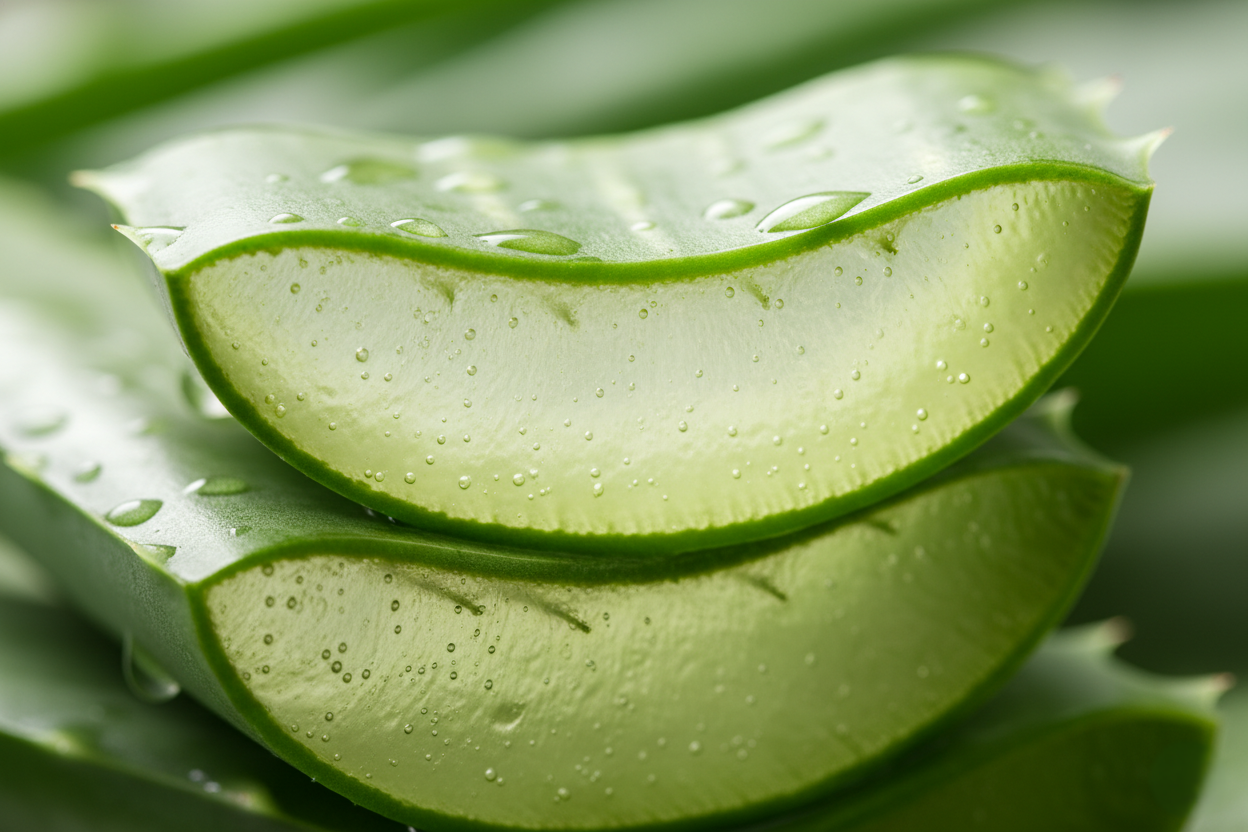
If your skin is like a sponge, humectants are what replenish it with the moisture it needs to feel soft, supple, and alive. Oils alone can’t restore that plumpness—first, the skin needs water. That’s why we look to ingredients like soothing aloe vera, nourishing honey, and plant-derived hyaluronic acid to help draw hydration into the skin before sealing it in.
These ingredients possess hydrophilic (water-loving) properties that draw moisture from the environment or deeper layers of the skin into the epidermis. This creates an immediate swelling effect that smooths out the look of fine lines.
After your cleanser, immediately introduce hydration to the skin with a toner, like our Botanical Hydration Mist With Immortelle.
Then, saturate the skin further with a targeted beauty treatment: choose our Wild Fruit Serum for brightening, Anti-Aging Serum for firming, or Activated Hemp Serum for calming hydration.
You can take your hydration efforts even further by adding Hydrate – Concentrated Boosting Elixir to your serum, which features non-GMO hyaluronic acid and vegan collagen prepeptides.
2. Seal the Barrier with Lipid-Rich Oils
This is where many routines fail. If you apply a humectant and walk away, the water can evaporate, leading to Transepidermal Water Loss (TEWL). To maintain a plump look, you must seal that hydration in. Botanical oils like Jojoba and Marula mimic the skin’s natural sebum. By applying these over your hydrators, you create a breathable, conditioned layer that locks the moisture into the sponge. We recommend the Rejuvenating Facial Oil for daily resilience. Alternatively, for a truly luxurious treat, look for our Divine Woman Elixir—a limited edition release celebrating varying seasonal harvests—to deeply nourish and maintain a plump, youthful appearance.
3. Stimulate with Facial Massage and Gua Sha
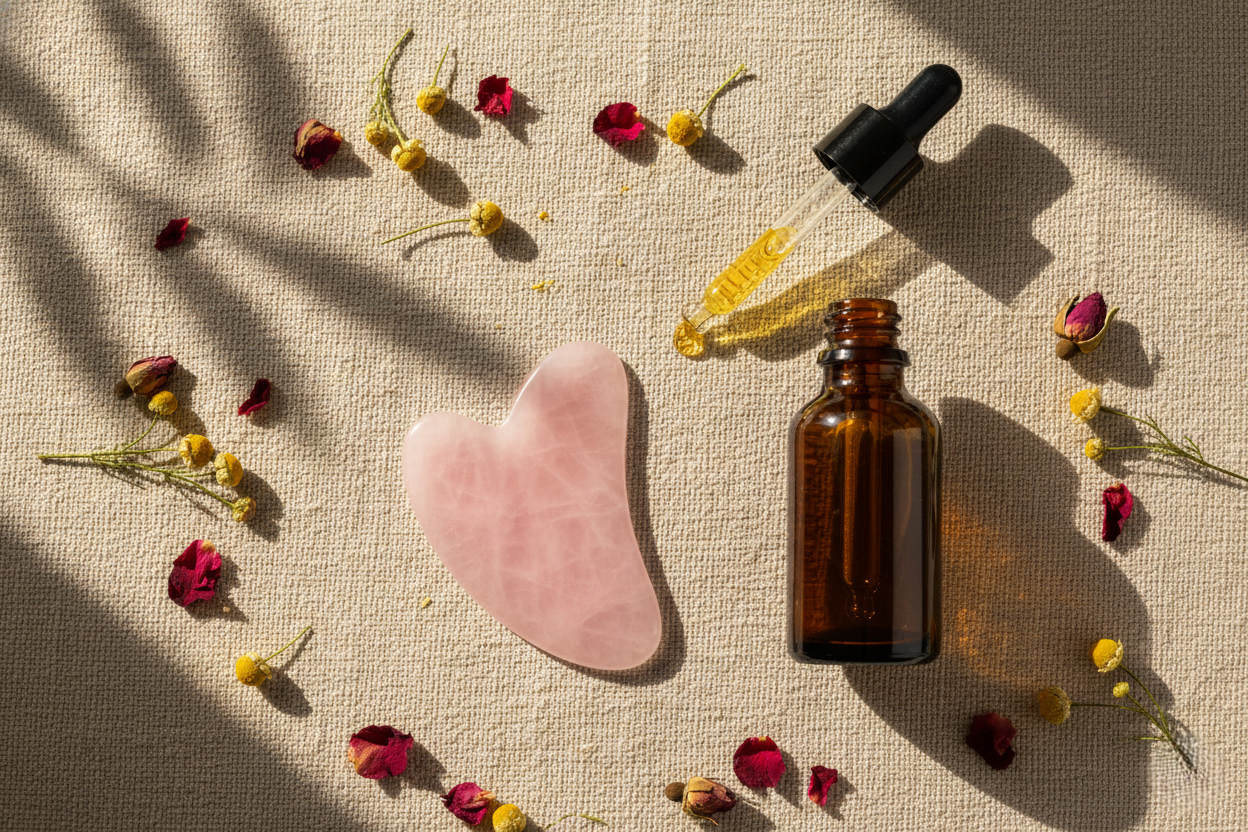
Sometimes the skin looks flat simply because of fluid stagnation and poor circulation. Facial massage utilizes the science of mechanotransduction—essentially, the physical manipulation of the skin sends signals to the cells to wake up. Spending just 5–10 minutes daily performing upward strokes increases blood flow, delivering nutrients to the skin cells and encouraging lymphatic drainage. This reduces the look of puffiness and encourages a lifted, more contoured appearance. To get the best results, read our guide on the best oil for Gua Sha to ensure you have the perfect slip without dragging delicate skin.
4. Hydrate Smartly with Electrolytes
We often hear to “drink more water” for better skin, but hydration isn’t just about quantity—it’s about how well your body can use what you drink. For water to move efficiently into cells, including skin cells, it works alongside electrolytes like potassium, magnesium, and sodium. These minerals help maintain fluid balance so skin can appear fresh, smooth, and comfortably hydrated.
Supporting this process can be as simple as adding a pinch of mineral-rich sea salt and a squeeze of lemon to your water, or enjoying naturally hydrating foods like cucumber, citrus, and watermelon. When hydration is balanced with electrolytes, it’s more likely to contribute to the supple, plump look we associate with healthy skin.
5. Prioritize Dietary Fats and a Skin-Supporting Diet
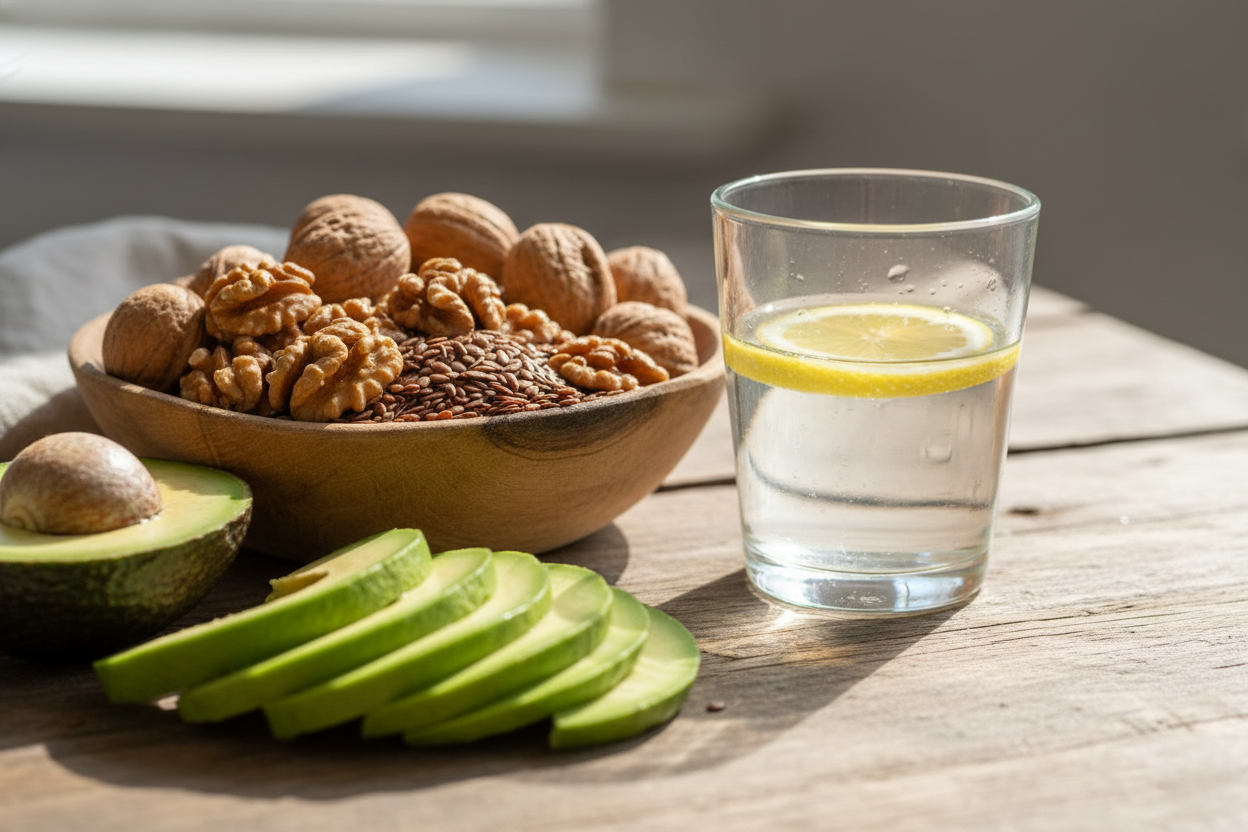
Once hydration is available, the skin also needs the right nutrients to help maintain it. Lipids are a key part of the skin’s barrier, helping reduce moisture loss and supporting a soft, resilient feel. Including high-quality fats in your diet—such as Omega-3 fatty acids from flaxseeds, chia seeds, walnuts, and sustainably sourced fatty fish—can help support balanced, comfortable skin.
Beyond fats, a nutrient-dense, whole-food approach provides vitamins and antioxidants that contribute to skin’s overall vitality. For example, Vitamin C supports collagen production, the structural network that helps skin maintain firmness and bounce. Together, hydration and nourishing fats work in harmony: one helps deliver moisture, while the other helps skin hold onto it.
6. Optimize Overnight Renewal (The Sleep Factor)
We often call it “beauty sleep,” but it is actually a critical physiological repair window the body naturally undergoes. During deep sleep (aiming for 7–9 hours), your body releases growth hormones that help repair tissue and rebalance hydration levels. Conversely, sleep deprivation spikes cortisol, a stress hormone that can impact the skin’s structural integrity. Prioritizing rest is one of the most effective, free ways to support a fresher, fuller face.
7. Use Antioxidants to Halt Deflation
Skin is constantly exposed to environmental stressors like sunlight and pollution, which can contribute to visible signs of aging over time. Antioxidants help support skin by neutralizing these stressors, making them an important part of a well-rounded skin care routine.
Incorporating antioxidant-rich ingredients—both topically and through a nutrient-dense diet—can help maintain the look of healthy, radiant skin. Botanical oils and plant extracts, like those found in our Rejuvenating Facial Oil, are naturally rich in antioxidants that help support skin’s appearance of smoothness and vitality while complementing your daily nourishment from within.
3 Common Habits That Deflate Your Skin
While adding beneficial rituals is crucial, it is equally important to stop unintended self-sabotage. Certain biological and lifestyle factors can accelerate the loss of fullness and vibrancy, undoing your hard work when you are trying to learn how to plump skin naturally.
The Sugar-Skin Connection (Glycation)
Excess sugar in our diet does more than affect our energy; it directly impacts our skin’s bounce through a process called glycation. When sugar molecules attach to proteins like collagen and elastin, they form Advanced Glycation End-products (AGEs). This process makes the once-flexible fibers stiff, brittle, and prone to breaking. The result is a loss of elasticity and the formation of deep creases, robbing the face of its soft, plump look.
UV Exposure and Photoaging
Sunlight plays an important role in overall wellbeing, but consistent, unprotected exposure can contribute to visible signs of premature aging over time. UV rays can affect the skin’s structural components, which may influence the appearance of firmness and elasticity.
Taking a balanced, sun-wise approach—like seeking gentle shade, wearing protective clothing, and using a mineral-based sunscreen—helps support skin so it can maintain a smooth, resilient, and healthy-looking appearance. In this way, thoughtful sun care becomes less about avoidance and more about honoring the skin while enjoying time outdoors.
Over-Exfoliation and Barrier Compromise
In the pursuit of smoother, brighter skin, it’s easy to reach for strong acids or frequent exfoliation, which can leave the skin feeling sensitized or depleted. When the skin’s protective surface is disrupted, skin may feel tight or look less supple because it’s more prone to losing hydration.
A gentler approach can help refine texture while supporting balance. Mild exfoliants—like fruit-derived lactic acid in our Resurfacing Facial Exfoliant—or soft powders in a dry herb polish such as our Ayurvedic Facial Scrub, offer a way to smooth and refresh without overwhelming the skin, helping it maintain a comfortable, healthy-looking glow.
A Simple AM/PM Ritual for Lasting Volume
Integrating these concepts doesn’t require a ten-step routine. It requires a mindful ritual that respects the skin’s need for hydration and protection in the morning, and repair and stimulation in the evening.
The Morning Awaken & Protect Routine
Your morning goal is to hydrate and shield.
- Cleanse: Splash with lukewarm water. Skip harsh cleansers that strip natural oils. Opt for non-toxic, pH-balanced cleansers.
- Hydrate: Apply a humectant-rich serum to damp skin to trap moisture.
- Support: Apply a targeted eye product to support the delicate under-eye area.
- Seal & Protect: Finish with a facial oil to lock in hydration and a mineral sunscreen to protect against the visible effects of sun over-exposure.
The Evening Replenish & Restore Routine
Your evening goal is to stimulate and seal.
- Cleanse: Use a gentle oil cleanser to remove impurities without disrupting the microbiome.
- Massage: While the skin is slippery with cleanser or oil, spend 2–3 minutes doing facial massage to boost circulation.
- Hydrate: Apply a retinol-alternative night serum to hydrate and gently resurface.
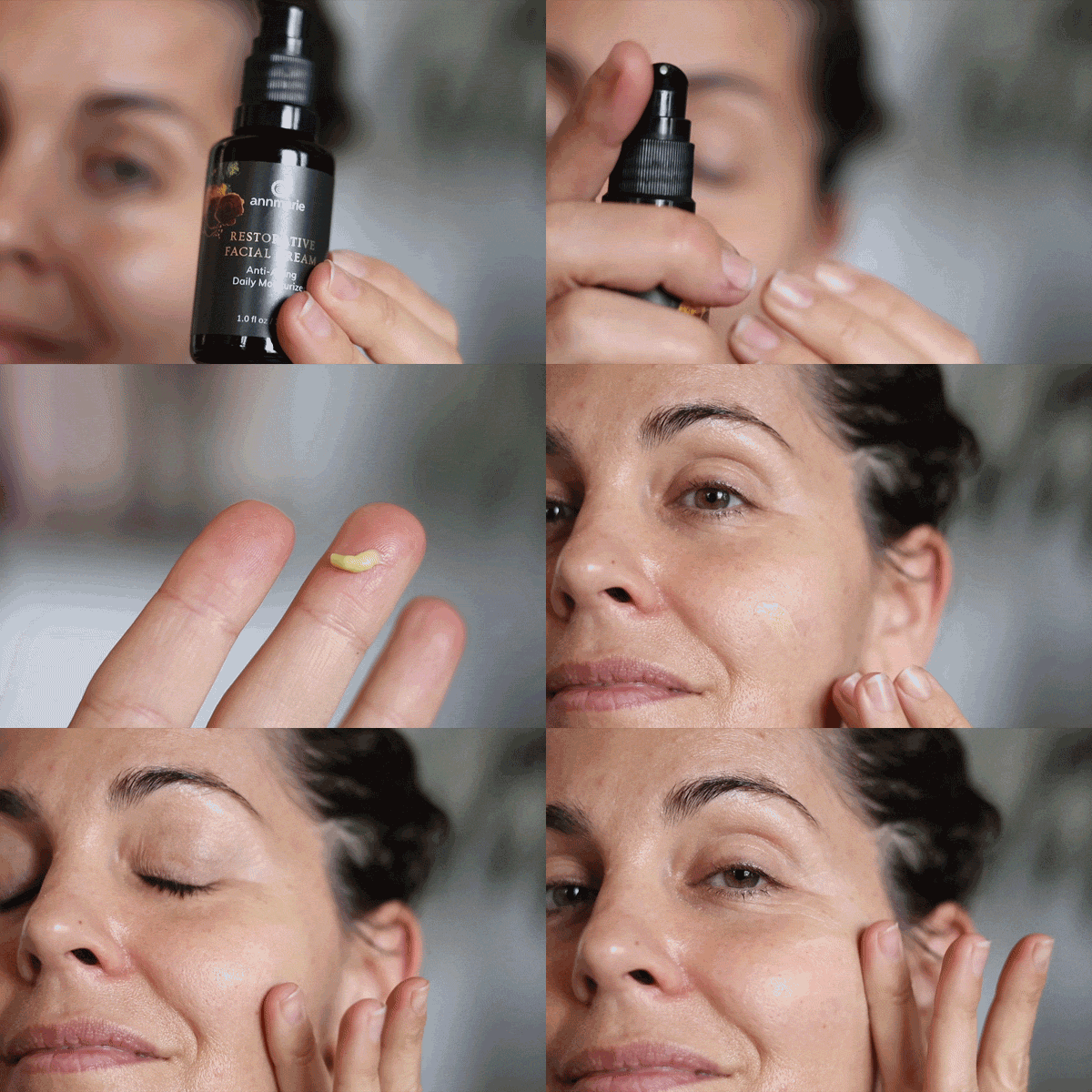
- Mask: Apply a slightly heavier layer of facial oil or a balm. Consider using our Restorative Facial & Neck Cream as an overnight treatment; think of it as a cocoon for your skin to revitalize itself while you sleep.
Conclusion: Embracing Holistic Plumping
Achieving plump, youthful-looking skin is not about erasing your history or freezing your face in time. It is about vibrance, health, and maintaining the structural integrity of your unique complexion. Knowing how to plump skin on face naturally means combining the protection of your existing collagen with the hydration of your current skin cells. Remember, natural methods are gentle; they require patience. While you may see an instant glow from hydration, the true structural benefits of massage and barrier repair accumulate over 4 to 8 weeks. Embrace this ritual as a daily act of kindness toward yourself, and your skin will respond with renewed bounce and vitality.
Frequently Asked Questions
How can I plump my face naturally overnight?
While you cannot rebuild structure overnight, you can significantly improve visual hydration for a morning glow. In the evening, we recommend applying your PM serum, boosted with hyaluronic acid (like our Activated Night Serum and 1-3 pumps of Hydrate – Concentrated Boosting Elixir). Then, generously apply facial oil to perform a facial massage, which can help to reduce fluid stagnation. Follow with “slugging”—a technique using a rich facial oil or facial cream to lock in moisture. This mimics a plump look by fully saturating the top layer of the skin.
What vitamin is best for look of skin elasticity?
Vitamin C is widely recognized for its role in supporting the look of bright, firm-feeling skin. Vitamin E complements it beautifully, as the two work together to help defend against environmental stressors and support a healthy, radiant appearance.
Does sunken skin ever go back to normal naturally?
This depends on the cause. If the sunken look is due to severe dehydration or fatigue, rehydration and sleep can restore the volume. However, deep structural fat loss is a part of genetic aging. While you can soften the appearance and improve the skin’s bounce and health through the methods above, natural skin care supports the skin you have rather than altering your facial structure.







Leave a Reply