


Table of Contents[Hide][Show]
Key Takeaways:
- Skin elasticity is influenced by the relationship between collagen and elastin, and both benefit from daily protection against oxidative stress.
- Internal nourishment—including antioxidant-rich foods and proper hydration—helps support the overall look and feel of skin firmness.
- Botanical ingredients such as tremella mushroom and rosehip seed oil offer gentle, nature-derived options for supporting the appearance of silky, well-nourished skin.
- Consistency in your daily skin ritual—including lifestyle habits, sun protection, and targeted skin care—tends to be more effective than relying on occasional intensive treatments.
We have all experienced that quiet moment in front of the mirror—gently lifting our skin upwards and wondering where that youthful “snap” has gone. Instead of chasing quick fixes, true skin resilience begins with a shift in perspective. We invite you to look beyond simply softening the look of lines and focus on nurturing what supports your skin’s overall well-being. By prioritizing a healthy barrier and mindful nourishment, you can encourage an appearance of firmness that feels authentic, vibrant, and naturally supported.
The Biology of Bounce: Understanding Your Skin’s Structure
To effectively care for your skin, it helps to visualize what is happening beneath the surface. The deeper layers of the skin contain a natural network of components that contribute to how firm and resilient the skin looks. The appearance of firmness is influenced by how these elements work together, which is why understanding this foundation can be so helpful when choosing the right ritual to support your skin.

The Dynamic Duo (Collagen and Elastin)
Think of your skin’s internal framework like a high-quality mattress. Collagen is comparable to the supportive base—the part that helps the mattress look structured and full. Elastin is more like the springs that allow the surface to stretch and return to its shape.
When collagen levels shift, the skin may not look as firm as it once did; when elastin becomes less abundant, the skin may not appear as bouncy or supple. Together, these elements influence the overall look of a taut, lifted complexion.
The Role of Hyaluronic Acid
Woven throughout this internal framework is a group of naturally occurring substances called glycosaminoglycans—the most well-known being hyaluronic acid. If collagen is the frame and elastin is the spring, hyaluronic acid is like the moisture that keeps the mattress filling looking plump. It attracts and holds water, helping the skin appear smoother, more supple, and well-hydrated. This visible hydration contributes to a fresher, more lifted look on the surface.
Why Resilience Fades
The decline in how skin elasticity appears is usually influenced by two forces. First is intrinsic aging—our natural biological rhythm—where the body gradually produces less collagen and elastin over time. This is a normal part of life. The second involves external factors such as UV exposure, pollution, and certain lifestyle habits. These stressors can contribute to changes in how the skin looks and feels, often referred to as photoaging, which may make the skin appear less firm or bouncy earlier than expected. To understand more, read our guide to sun protection and anti-aging.
Internal Skin Care: How to Increase Elasticity in Skin Naturally
Because the nutrients circulating in your body influence how your skin looks and feels, supporting skin firmness from within naturally includes a dietary component. When your body is well nourished, your skin is better equipped to maintain a healthy, resilient appearance.

Antioxidant-Rich Nutrition
Free radicals are unstable molecules that can contribute to visible signs of skin aging. A diet rich in antioxidants helps create a supportive environment for healthy-looking skin. Foods containing Vitamin C (such as citrus and bell peppers) play an important role in overall skin wellness. Vitamin E (found in nuts and seeds) and beta-carotene (in carrots and sweet potatoes) offer additional antioxidant support, helping to protect skin from environmental stressors and promoting a brighter, more resilient appearance.
Essential Fatty Acids
If your skin cells are bricks, fatty acids are the mortar. Omega-3–rich foods like flaxseeds, walnuts, and fatty fish help support overall skin wellness from within. These healthy fats contribute to a nourished, comfortable skin feel and help maintain the appearance of softness and suppleness. A diet rich in these oils can complement your topical routine by supporting skin that looks hydrated and well-cared-for.
Hydration from Within
While topical moisturizers care for the skin’s surface, internal hydration supports overall skin wellness. When the body is dehydrated, the skin can appear less plump and more prone to looking lax. Drinking enough water—and incorporating water-rich foods like cucumbers and melons—helps maintain a refreshed, comfortable look. Staying hydrated complements your topical routine by supporting skin that appears smoother and more supple.
Proven Nature-Derived Ingredients for a Firmer Look
In the world of skin care, there’s a common misconception that only harsh chemicals can create a firmer-looking complexion. In reality, the botanical world offers beautiful options that support the skin’s natural rhythms and complement its own restorative processes.
The Power of Plant-Based Retinol Alternatives
Many people love the idea of retinol but struggle with the dryness and irritation that often come with it. That’s why plant-based retinol alternatives have become so beloved—especially those that offer a gentler approach for supporting the look and feel of smooth, radiant skin.
One of our favorite examples is Bioactive A-Complex, a lipid-rich extract derived from micro-algae. Rather than forcing rapid exfoliation, this botanical alternative focuses on nourishing the skin’s surface and helping it look refined, hydrated, and more balanced over time. Its antioxidant profile supports a more radiant, even-toned appearance, while its comforting texture makes it suitable for many skin types—including those who find traditional retinoids too harsh. You can read more in our article on Bioactive A-Complex: A Safer Alternative to Retinol.
Tightening Botanicals
Some botanicals have natural astringent qualities that can help the skin feel more toned and refreshed. One of our favorites is horsetail (Equisetum arvense), an ancient plant traditionally appreciated for its mineral-rich profile—including silica. In skin care, horsetail extract is often used to support a smoother, more refined appearance and to give the skin a subtly tightened feel on the surface. If you’d like to explore more about this unique botanical, read our guide to Horsetail: The Anti-Aging Skin Tightening Fern.
Tremella Mushroom and Hydration
Tremella mushroom (Snow Mushroom) is a beloved humectant known for its ability to attract and hold water, offering a lightweight, breathable veil of hydration on the skin’s surface. This deep moisture can help soften the look of fine lines and give the complexion a fresh, bouncy, well-hydrated appearance.
For those who enjoy this kind of immediate, dewy plumping effect, our Probiotic Serum with Tremella features bio-fermented hydration that helps visibly refresh and cushion the skin’s appearance.
Targeted Routines: How to Improve Skin Elasticity on Face vs. Body
Caring for the appearance of elasticity requires a thoughtful, targeted approach, because the skin on the face and the skin on the body have different characteristics and respond differently to environmental stressors and hydration levels.
Facial Strategy: How to Improve Skin Elasticity on Face
The face is constantly exposed to environmental stressors, so it benefits from a thoughtful routine that focuses on hydration, nourishment, and gentle refinement.
- Gentle Exfoliation: Dead skin buildup can make fine lines and uneven texture more noticeable. Regular, gentle exfoliation helps reveal a smoother surface and allows your leave-on products to work more effectively.
- Facial Massage Techniques: Practices like gua sha or light lymphatic massage can help promote a feeling of circulation and relaxation in the facial tissues. With consistent use, these techniques can enhance the appearance of sculpting and support a more refreshed, lifted look.
- Targeted Serums: Because facial skin is naturally more delicate, lightweight serums can be especially beneficial. Our Citrus Stem Cell Serum features plant-derived ingredients that help brighten the complexion and refresh the appearance of tired skin, contributing to a more radiant, taut-looking finish. For comprehensive rejuvenation, our Wild Fruit Serum is also a wonderful option.
Body Strategy: How to Improve Skin Elasticity on Body
Body skin is naturally thicker and contains fewer oil glands than facial skin, which can make dryness and a crepey appearance more common. A thoughtful routine can help the skin look smoother, more supple, and well-nourished.
- Addressing Thicker Skin: Areas like the arms, thighs, and stomach often benefit from richer oils and gentle exfoliation methods such as dry brushing. These practices help soften dry patches, refine texture, and enhance the appearance of smoothness.
- Moisture Locking: Applying body oils or creams immediately after a shower—while the skin is still slightly damp—helps seal in surface hydration. This can leave the skin looking more supple and feeling comfortably moisturized throughout the day.
- Daily Movement: Regular movement can contribute to a healthy-looking glow by helping the body feel energized and balanced. Many people notice that staying active enhances the overall vibrancy and appearance of their skin from head to toe.
Advanced Care for Delicate Areas
The skin around the eyes and on the neck is naturally thinner and tends to produce less oil, which is why changes in texture and firmness often appear here sooner. These areas benefit from especially gentle, well-targeted care that focuses on hydration and comfort.
The Eye Area
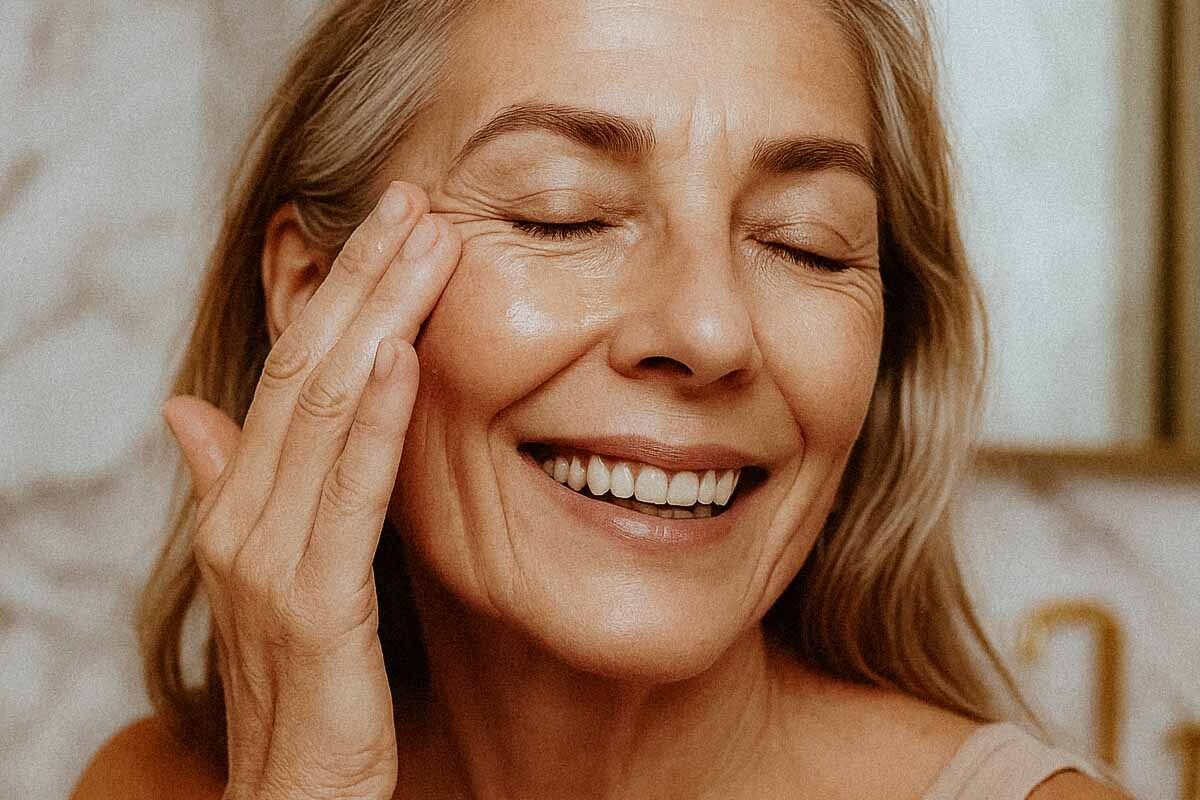
The skin around the eyes experiences constant expression—blinking, smiling, squinting—which can make changes in smoothness or firmness more noticeable. Because this area is naturally delicate, rich or heavy creams may feel too occlusive for some people, sometimes contributing to a puffy appearance. Lightweight, targeted formulas are often a better fit, offering hydration and comfort without weighing the skin down. Our Eye Care Collection offers options crafted to nourish this sensitive area with gentle botanicals and help improve the look of firmness and brightness, all while maintaining a soft, breathable feel.
Neck and Décolleté
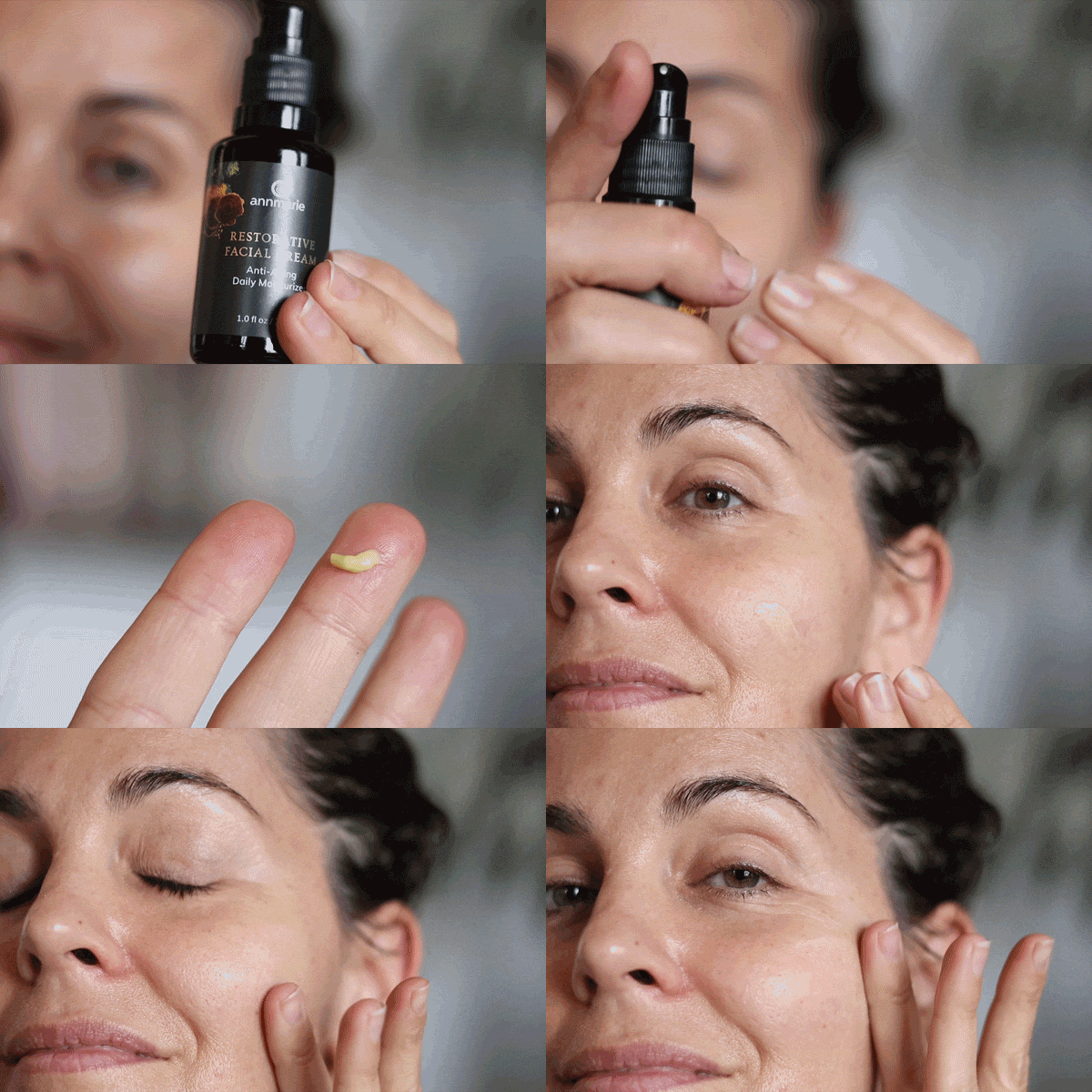
The neck is often the overlooked part of a skincare ritual. It’s regularly exposed to the sun and commonly affected by daily habits like looking down at screens. Extending your facial routine—cleansing, toning, and moisturizing—down through the neck and chest can help these areas look smoother, more hydrated, and well cared for. Treating the neck with the same attention as the face supports a more unified, radiant appearance overall. Our Restorative Facial Cream is rich enough to provide the deep nourishment this area often craves.
Lifestyle Habits That Preserve Skin Structure
You can use the most luxurious oils in the world, but if your daily habits are working against your skin’s well-being, it can be harder to maintain a radiant, resilient look. A mindful lifestyle becomes an essential part of caring for your complexion from the inside out.
Sun Protection Awareness
Sun exposure is one of the most influential factors in how the skin’s appearance changes over time. UV rays can contribute to visible signs such as uneven tone, dryness, and a loss of smoothness. This is why daily sun protection is essential—not just to avoid burns, but to help maintain a healthy-looking, vibrant complexion.
Quality Sleep
A good night’s sleep supports your overall well-being, and your skin often reflects that balance. When you’re well rested, the complexion tends to look fresher, brighter, and more resilient. Many people also find that elevating the head slightly with an extra pillow helps minimize the appearance of morning puffiness around the eyes, offering a more refreshed start to the day.
Stress Management
Chronic stress can show up on the skin in many ways, often making the complexion look dull, tired, or less vibrant. Practices like mindfulness, breathwork, gentle movement, or simply spending time in nature can help you feel more grounded and balanced—and when your stress levels feel more manageable, your skin often reflects that sense of ease. Supporting emotional well-being can contribute to a healthier-looking, more radiant complexion overall.
Conclusion
Caring for the appearance of skin elasticity isn’t about resisting time; it’s about supporting a sense of resilience and radiance in your skin at every stage of life. This journey rewards consistency and gentle intention over harsh or aggressive approaches. By nourishing yourself with antioxidants, practicing mindful sun protection, and committing to a daily ritual of massage and botanical skincare, you help your complexion look vibrant, well cared for, and naturally glowing. We invite you to embrace a “pro-aging” mindset—one that celebrates vitality, inner well-being, and the beauty of a complexion that reflects how thoughtfully you tend to it.
Frequently Asked Questions
Can skin elasticity be restored naturally, or do I need procedures?
While no method can biologically return the skin to exactly how it looked in adolescence, consistent, holistic care can noticeably support its appearance. Natural approaches—like nourishing foods, mindful movement, and a thoughtful skin care routine—tend to work gradually, aligning with the body’s own rhythms. While cosmetic procedures are a personal choice, they aren’t the only path. Many people find that a dedicated natural ritual helps their complexion look smoother, more supple, and beautifully well-cared-for over time.
What specific foods support the look of firm skin?
When it comes to supporting a vibrant complexion, certain foods stand out. Vitamin C-rich options like citrus and peppers are well known for their role in overall skin wellness. Healthy fats found in avocados, salmon, and chia seeds help nourish the body from within, contributing to skin that feels soft and comfortable. Additionally, minerals like zinc and copper (in pumpkin seeds and leafy greens) play supportive roles in maintaining the look of a balanced, healthy complexion.
How long does it really take to see a difference?
Patience is essential. Because the look of your skin evolves gradually, most people notice subtle shifts first—like a fresher glow or improved hydration—within a few days or weeks. Changes in the appearance of firmness and bounce typically develop more slowly. With consistent care (both in your routine and lifestyle), meaningful improvements often become visible within 6 to 12 weeks.
Does drinking water actually help with sagging?
Staying hydrated definitely influences how your skin looks. When the body is dehydrated, the skin can appear dull, tight, or more textured—much like a piece of fruit that has lost its moisture. Drinking enough water helps the skin look fresher, smoother, and more supple, giving the appearance of improved elasticity. Think of hydration as a simple daily habit that supports a plump, comfortable look, even if it doesn’t structurally lift the skin on its own.
Are facial exercises effective for firming?
Facial exercises, often called “face yoga,” can help enhance the appearance of lift and definition by encouraging mindful movement and circulation. Many people enjoy the sense of vitality these practices create. However, because facial skin is delicate, it’s important to avoid aggressive pulling. We recommend using a facial oil during your practice to provide a smooth glide, helping your hands move easily across the skin without dragging.






Leave a Reply