

Table of Contents[Hide][Show]
Key Takeaways
- Matte makeup softens shine using absorbent ingredients, whereas a dewy finish reflects light through beautiful, sustained hydration.
- Mixing a drop of high-quality facial oil alters the foundation’s texture, serving as a beauty secret for a natural, customized glow.
- Properly preparing the surface of your skin with lightweight moisture is the most critical step for preventing a heavy or dry appearance.
- Application with a damp sponge gently presses hydration into the skin for a seamless, radiant result.
We have all experienced the feeling of applying makeup in hopes of a beautifully even base, only to see it settle in a way that highlights the very texture we hoped to soften.
Think of it this way: matte skin does not reflect much light, while dewy skin catches the light and looks fresh, smooth, and glowing. You do not need to replace all your makeup to get a dewier look. With botanical blending, you can turn a matte foundation into a more radiant, luminous finish.
Understanding Your Base: Why Matte is Matte
To master the art of customizing your makeup, it helps to understand the ingredients that dictate how it rests on your skin.
Absorption vs. Reflection
Matte foundations are designed to control excess shine. They typically rely on absorbent ingredients that act like microscopic sponges. These components gently soak up natural oils and scatter light in a way that minimizes shine, creating a velvety appearance.
In contrast, dewy finishes are formulated with rich, hydrating elements that encourage light to bounce off the surface, mimicking the natural sheen of healthy-looking, hydrated skin.
The Role of Your Skin’s Natural Moisture
Your unique complexion determines the final result. Your skin’s natural protective layer—the delicate balance of oil and water on the surface—dictates how much “slip” a makeup product has. If your surface is naturally dry or depleted, your skin may rapidly absorb the moisture in the product, leaving only the dry pigment behind. This is why matte formulas can often look heavy on dry skin types; there is simply no moisture buffer to help the pigment glide and reflect light.
Phase 1: The “Glow First” Prep Technique
Before touching the foundation bottle, we must prepare the canvas. A radiant finish begins with skin care..
Gentle Exfoliation for Smooth Light Reflection
Radiance is essentially light reflection. If your skin surface is uneven, light hits the face and scatters, making the complexion look tired. Gentle exfoliation smooths the microscopic landscape of the skin, ensuring that light bounces off evenly. This creates a natural, lit-from-within look that makeup alone cannot replicate.
We recommend exfoliating at least once per week, if not more depending on the type of exfoliant you are using.
Layering Hydration
Once the slate is clean, saturate the skin with water-binding botanicals. Think of a sponge: when dry, it is stiff, but when damp, it is pliable. Your skin functions similarly. Before applying makeup, boost moisture with a hydrating serum. If you are curious about how to layer these correctly, exploring the facial oil vs serum key differences can help you craft the perfect, plump base that prevents foundation from settling into fine lines.
Phase 2: How to Make Matte Foundation Look Dewy (The Mixing Method)
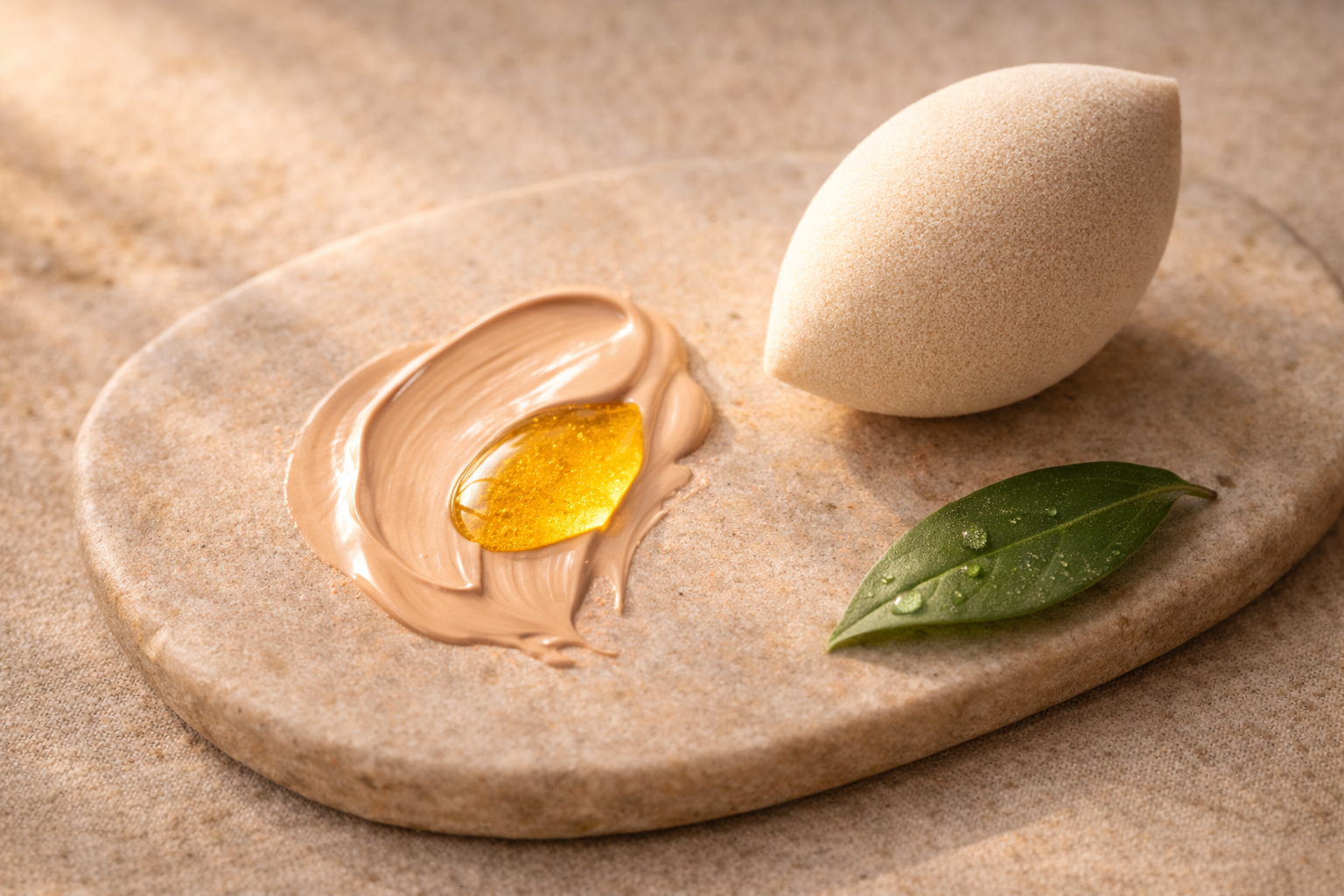
Now comes the artistry. By physically altering the composition of your foundation, we can soften the density of the matte pigments and introduce the slip needed for a dewy finish.
The Facial Oil Secret
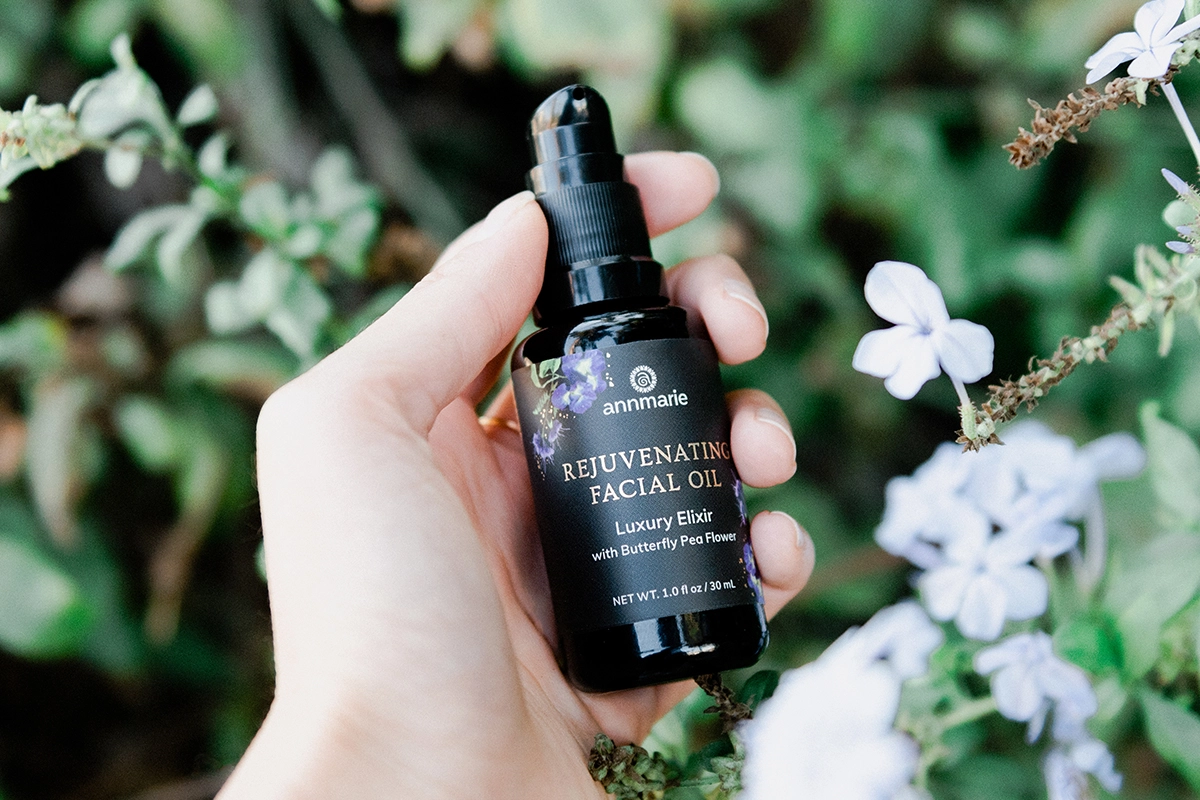
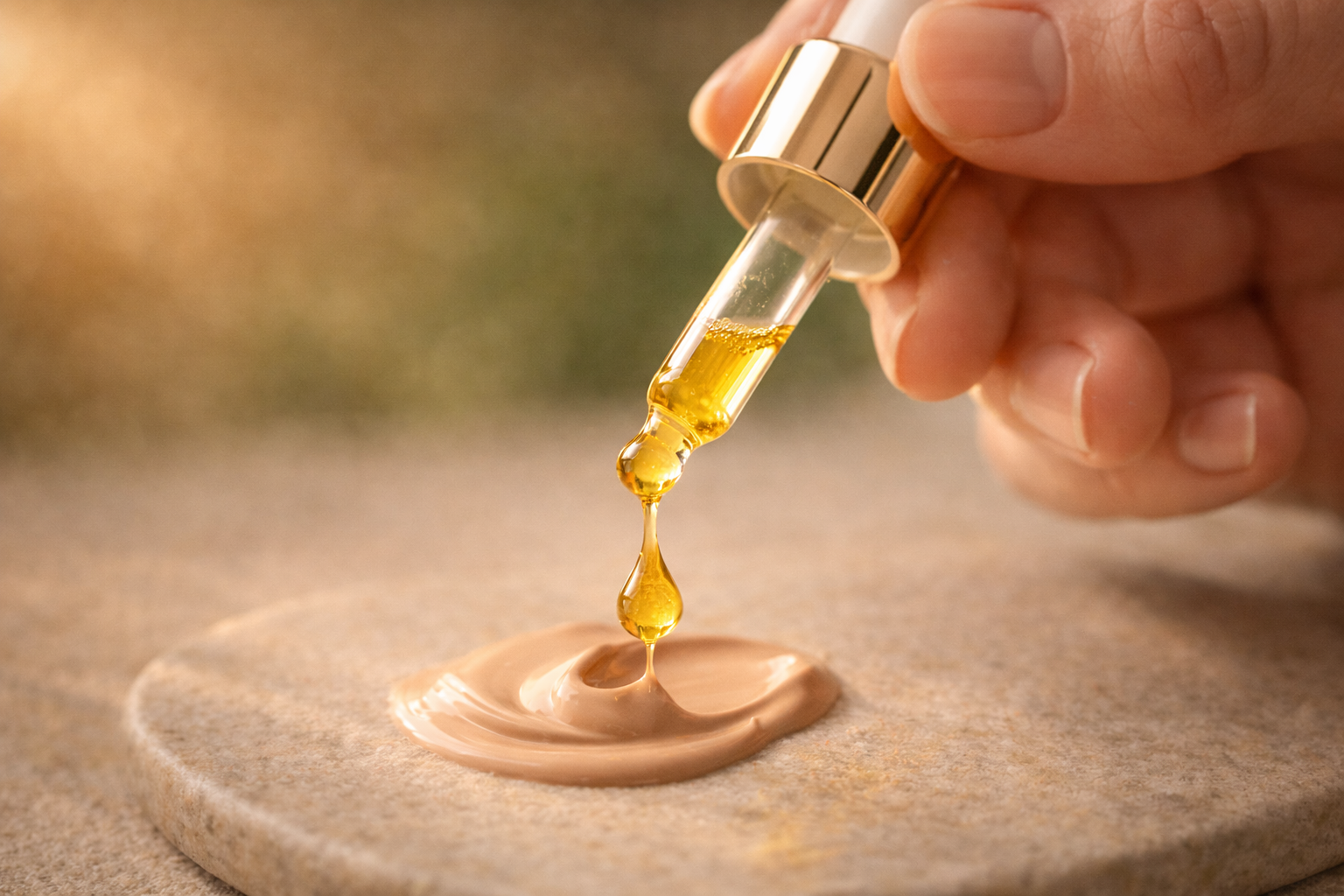
The most effective way to sheer out a heavy matte formula is to mix it with a botanical oil. On the back of your clean hand, pump your usual amount of foundation. Then, blend a lightweight facial oil directly into the pigment. The oil surrounds the absorbent ingredients, preventing them from pulling moisture from your skin.This is a wonderful “secret” to achieving a healthy, natural-looking base. For a luminous, sun-kissed look, mixing a drop of our Radiate Facial Moisturizing Oil adds beautiful warmth and slip. Alternatively, the Rejuvenating Facial Oil provides the perfect lightweight nourishment to soften the foundation and create a beautifully breathable finish without feeling heavy.
Mixing with Moisturizer
If you prefer a lighter coverage—similar to a tinted moisturizer—try mixing your foundation with your daily cream. This dilutes the pigment, allowing your natural skin tone to peek through while providing a soft, satin finish. This method is excellent for days where the goal is gentle uniformity rather than full coverage.
Finding the Right Ratio
Customization is key, as no two complexions are identical.
- For Oily or Combination Skin: Start conservatively. Mix one small drop of oil into two pumps of foundation to add fluidity without overwhelming your natural oils.
- For Dry or Mature Skin: You can be more generous. Try an equal part ratio—one drop of oil to one pump of foundation. This compensates for the lack of natural moisture and keeps the product moving gracefully with your facial expressions.
Phase 3: Application Tools & Techniques
Because we have altered the formula to be more moisturizing, the application method matters just as much as the mixture itself. The goal is to press the hydration beautifully into the skin.
The Damp Sponge Method
Forget dry brushes, which can leave streaks. A damp beauty sponge is a wonderful tool for dewiness. The water in the sponge prevents it from soaking up your precious oil-foundation mix, while the bouncing motion physically presses the product onto the surface. This creates a seamless, natural-looking bond with your face.
Strategic Placement
Dewy does not have to mean overly shiny.
To maintain a polished look, accurate placement is vital. Focus your “glow mixture” on the high points of the face where light naturally hits—the cheekbones, temples, and the bridge of the nose. Keep the center of the forehead and the sides of the nose slightly more matte to ensure you look radiant, not perspiring.
Phase 4: The Reverse — How to Make a Dewy Foundation Matte
Sometimes the pendulum swings too far, or the season changes, and you need to dial back the glow. If you are wondering how to make a dewy foundation matte, the process involves strategic subtraction.
Blotting and Setting
You do not need to powder your entire face, which flattens natural dimension. Instead, use a translucent setting powder specifically on the “shiny zones”—usually the forehead, nose, and chin. This absorbs excess moisture in those specific areas while leaving the cheeks fresh and glowing.
The Tissue Trick
If you have over-applied a dewy product, take a facial tissue and separate the plies so you have a single, thin sheet. Gently wrap this over a dry sponge and press it firmly against your skin. The tissue will lift away the excess oil and top-layer moisture without stripping the pigment underneath, instantly softening the finish.
Common Mistakes & Troubleshooting
Experimenting with textures is fun, but it can sometimes lead to messy results. Here is how to avoid the most common missteps of mix-and-match makeup.
The “Too Much Slip” Misstep
Less is truly more. A common mistake is adding two or three drops of oil, thinking it will equal “more glow.” Instead, this usually results in a foundation that slides off your face by noon. Always start with a single drop; it is much easier to add more slip than to try and fix a sliding base.
Ingredient Clashing
If you notice your mixture turning clumpy or pilling on your hand, you have likely encountered an ingredient clash.
This often happens when mixing water-based foundations with heavy silicones.
Conclusion: Honoring Your Unique Glow
You do not need to be a professional makeup artist to control your finish, nor do you need to clutter your vanity with dozens of bottles. By understanding the interplay between absorbent ingredients and reflecting hydration, you gain the freedom to customize your look. Whether you are learning how to make a matte foundation dewy to correct a dry formula or taming one that is too slick, these mindful rituals allow you to honor your skin’s unique needs every single day while embracing the pure benefits of your organic skin care.
Frequently Asked Questions
Can you make matte foundation dewy without mixing it?
Yes, though the effect works best with mindful preparation. You can make matte foundation dewy by heavily prepping the skin with a rich moisturizer and hydrating serum before application, and finishing with a dewy setting spray to melt the powders softly after application.
Will adding oil to my foundation significantly reduce the coverage?
Yes, mixing any liquid into foundation will sheer out the pigment slightly. However, you can build the coverage back up by applying gentle layers specifically where you need them while keeping the rest of the face sheer and glowing.
How do I stop my dewy foundation from separating during the day?
Separation usually occurs when natural oils break through the pigment. To prevent this, ensure you are not over-applying skin care products before your makeup. Additionally, lightly set only your T-zone with a gentle powder to hold the center of the face in place.
Is dewy or matte better for uneven texture?
Extreme matte finishes tend to emphasize texture because they settle into fine lines. A controlled dewy finish (like a soft satin) is often better for textured skin because the light reflection helps blur the look of imperfections and creates the illusion of a smoother surface.







Leave a Reply