


Table of Contents[Hide][Show]
Key Takeaways:
- Facial redness is often a sign that skin may need additional hydration and gentle care rather than aggressive exfoliation.
- Triggers can include environmental exposure, skin care products, and lifestyle factors such as stress or changes in routine.
- Supporting skin that appears red can involve a layered approach: calming hydration followed by nourishing oils to help maintain moisture balance and comfort.
Looking in the mirror and noticing a flushed-looking complexion can feel discouraging — especially when you feel calm on the inside. Whether it appears suddenly or shows up as a lingering rosy tone, facial redness is often a sign that your skin may need a gentler approach.
While it’s natural to want to cover it up, a more supportive strategy is to focus on comfort and balance. By paying attention to what your skin may be responding to and embracing a simple ritual centered on hydration and nourishment, you can help reduce the appearance of redness and support a calmer, more healthy-looking complexion.
The Detective Work: What Causes Temporary Redness on the Face?
If we view our skin not as something to battle, but as something to better understand, we can begin to recognize what may be influencing its appearance. Temporary redness is often a sign that skin has been exposed to something it didn’t fully agree with — whether environmental, topical, or lifestyle-related.
Rather than masking it, the first step is simply noticing patterns and adjusting your routine accordingly. With a gentler approach, skin can begin to look and feel more balanced over time.
External Triggers: The Environment and Your Routine
The world around us plays a significant role in how our skin looks and feels. Often, questions about what may be contributing to red patches on the face or unexpected reactions can be traced back to the elements or the products we apply.
- The Weather Factor: Extreme temperatures are well known for influencing visible redness. Harsh winds and freezing conditions can leave skin feeling dry and looking flushed — a reaction often associated with what people describe as “windburn.” Conversely, intense heat can increase visible redness, particularly around the cheeks and nose, resulting in a warm, rosy appearance.
- Product Overload (Contact Irritation): In the pursuit of glowing skin, it’s easy to overdo it. Layering multiple potent ingredients — such as exfoliating acids or retinol-based formulas — can sometimes leave skin looking more red than radiant. When the routine becomes too intense, skin may appear blotchy or feel uncomfortable to the touch, especially if too many products are introduced at once.
- Sun Exposure: Even before a visible sunburn develops, UV exposure can cause skin to appear flushed or red. This is a common visible reaction to sun exposure, particularly in areas that are more directly exposed. Prolonged time in the sun may intensify this redness, leaving the complexion looking warm or uneven.
Internal Signals: Diet, Stress, and Physiology
Sometimes, the influence may come from within. Skin often reflects shifts in daily habits, including stress levels, sleep patterns, and nutrition.
Changes in routine or heightened stress can coincide with visible redness or increased sensitivity, even when your skin care products haven’t changed.
- The Stress-Skin Connection: Periods of heightened stress can coincide with changes in how skin looks and feels. During tense or emotional moments, some people notice increased visible redness, particularly around the face and neck. While the exact reasons can vary from person to person, these shifts are a common part of how skin responds to everyday life experiences.
- Dietary Triggers: Certain foods and beverages can temporarily influence how skin looks. Spicy meals, hot drinks, and alcohol are commonly associated with visible flushing or red cheeks shortly after consumption. These effects are often short-lived and vary from person to person.
- Individual Sensitivities: Some people naturally have skin that appears more easily flushed than others. Differences in skin tone, transparency, and overall sensitivity can influence how noticeable redness looks from person to person. What causes visible red patches for one individual may not affect another in the same way. Skin varies widely, and some complexions simply show environmental or routine changes more readily than others.
The Core “Why”: Supporting the Skin’s Protective Surface
While triggers can vary, ongoing visible redness is often associated with a moisture barrier that feels out of balance.
You can think of your skin’s outer layer as a brick-and-mortar wall. The skin cells are the “bricks,” and natural lipids (oils) act like the “mortar” between them. When this outer layer feels well-supported, skin tends to look smoother and retain moisture more comfortably.
However, when the skin’s outer layer feels overworked — whether from overly harsh exfoliation, strong products, or environmental exposure — that “mortar” can feel less supported.
When this happens, moisture may evaporate more quickly from the surface, leaving skin feeling dry or tight. At the same time, skin can appear more red or reactive than usual.
Rather than signaling injury, this visible temporary redness is often a sign that skin may benefit from a gentler approach and additional moisture support.
5 Holistic Rituals to Soothe the Appearance of Redness
Once you recognize that visible redness can be a sign your skin may need a gentler approach, you can begin to shift your mindset. Rather than layering on more intensity, focus on simplifying and supporting your skin’s natural moisture balance.
Our approach centers on two complementary steps: calming hydration followed by nourishing oils to help maintain comfort and softness.
1. The “Less is More” Cleansing Rule
A helpful first step when skin appears red is to simplify your cleansing routine. Foaming cleansers that leave your face feeling “squeaky clean” can sometimes be too alkaline, leaving skin feeling dry or tight afterward.
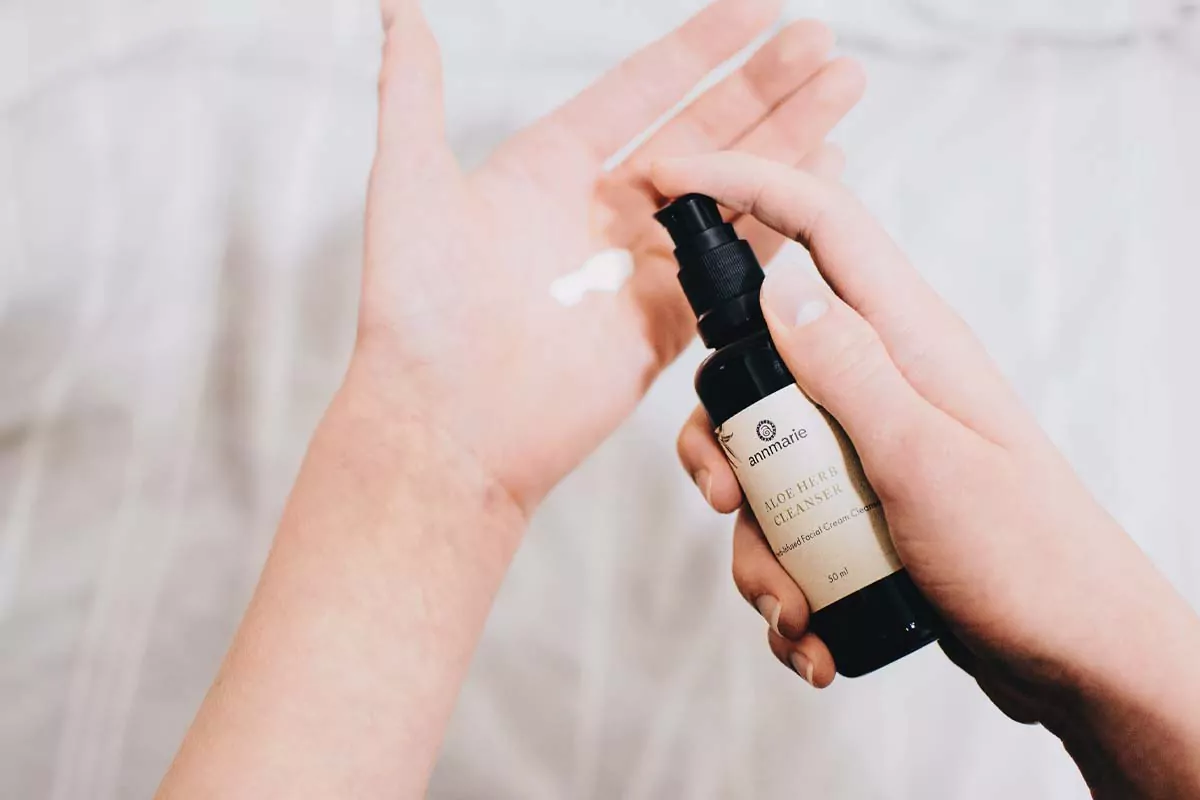
Instead, opt for a pH-balanced cleanser, such as a gentle oil cleanser or a creamy formula like our Aloe Herb Cleanser. These help lift away impurities while supporting your skin’s natural moisture balance, leaving it feeling soft and comfortable rather than over-cleansed.
2. Cool Down and Hydrate (The Foundational Step)
Nature offers beautifully gentle ingredients that help support skin comfort. Before applying oils, begin with a layer of refreshing hydration to leave skin feeling calm and replenished.
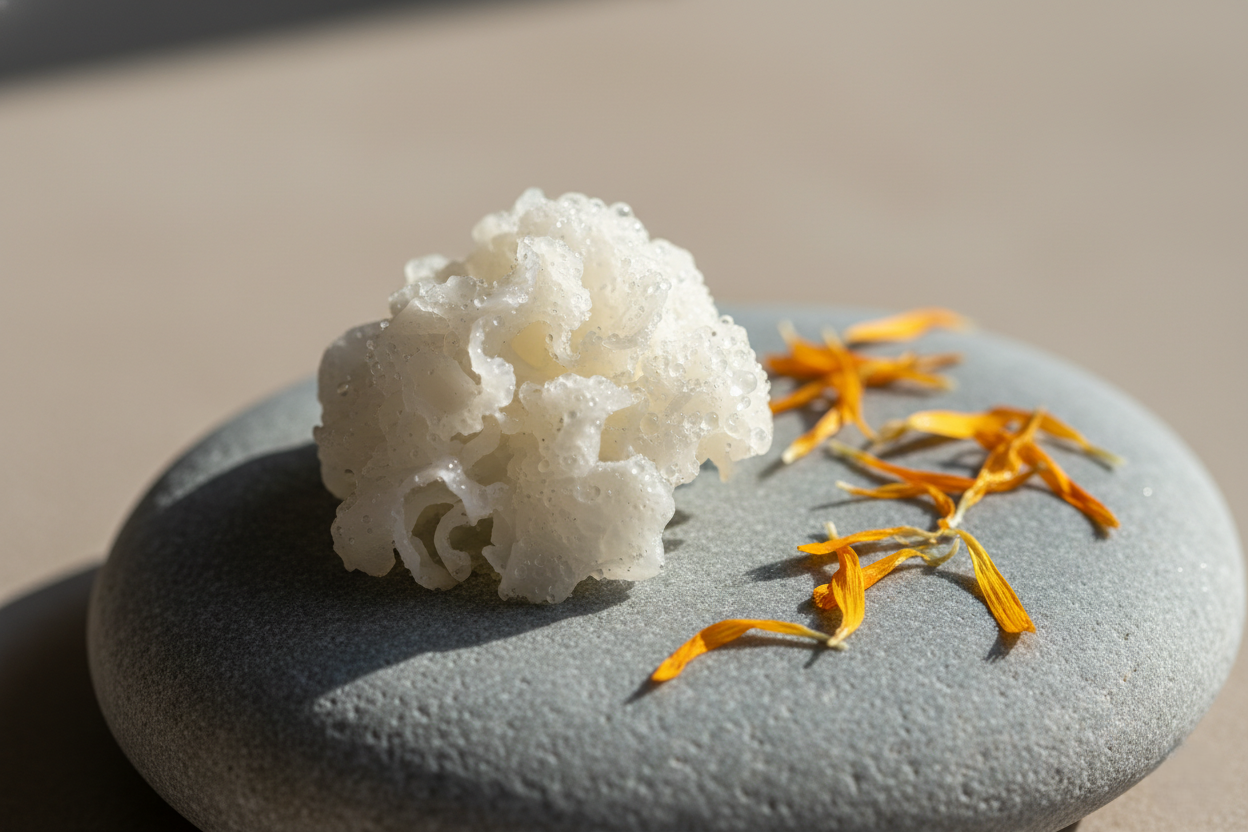
We recommend the Probiotic Serum with Tremella as your foundational step. Tremella mushroom is known for its ability to attract and hold water, creating a light hydrating layer that leaves skin feeling fresh and supple.For complexions that appear more sensitive, the Activated Hemp Serum provides added hydration and calming botanicals to help reduce the appearance of temporary redness and promote a more even, less reactive looking surface.
3. Reinforce with Gentle Oils (The Protective Step)
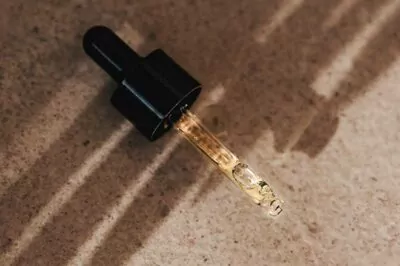
When skin appears red or feels less comfortable, adding nourishing oils can help support its natural moisture balance. After applying your hydrating serum, follow with a facial oil to help slow the evaporation of water from the skin’s surface and enhance softness.
Our Herbal Facial Oil for Sensitive Skin is thoughtfully formulated without essential oils that may feel too intense for delicate complexions. This gentle blend complements the skin’s natural lipids, helping it feel supple, comforted, and more visibly balanced while softening the appearance of temporary redness.
4. Mindful Management of Internal Heat
Cooling the skin isn’t only about what you apply topically. Supporting overall comfort can also include simple lifestyle habits that help you feel more balanced.
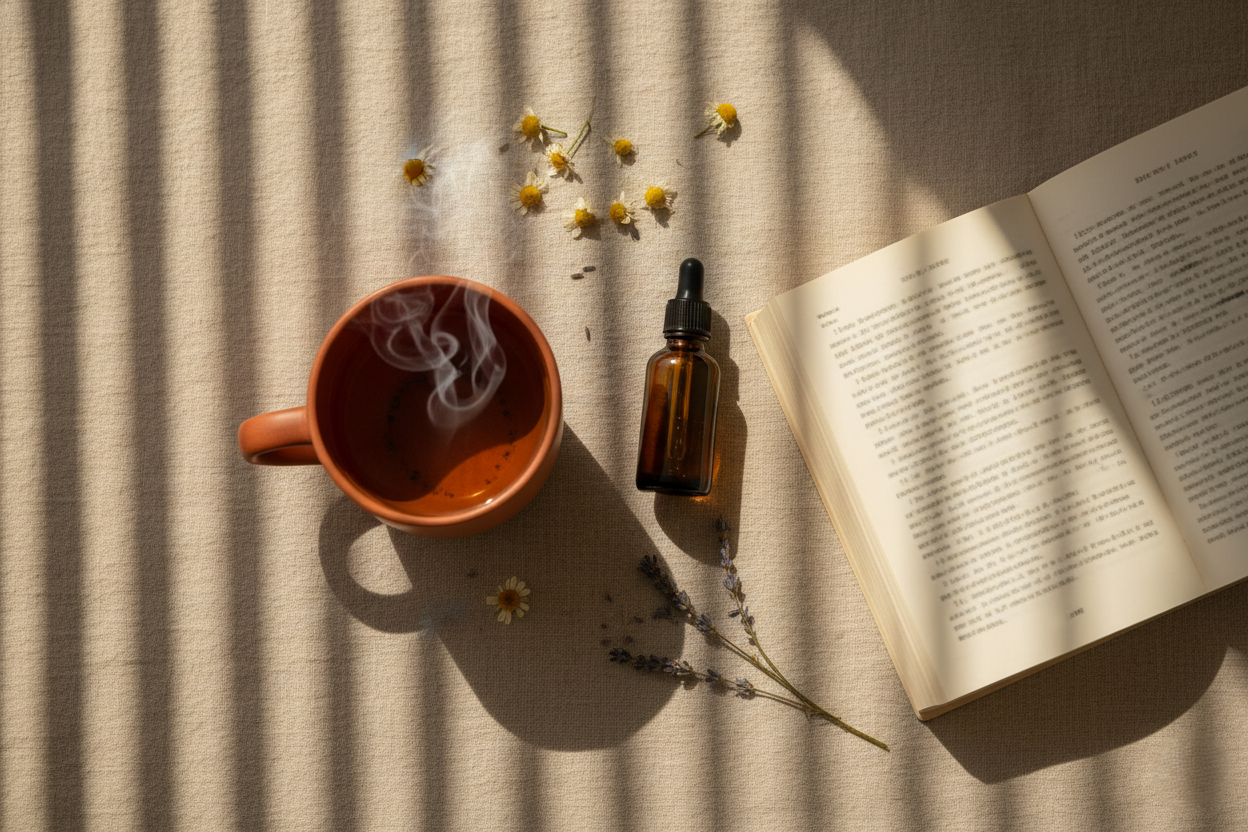
- Sip Cooling Teas: Peppermint and spearmint teas are traditionally considered refreshing and may contribute to a cooling sensation, which some people find helpful during moments of visible flushing.
- Breathe: If stress seems to coincide with visible flushing, try practicing deep, slow belly breathing. Intentional breathing can help you feel more grounded and relaxed, which may contribute to a calmer-looking complexion during tense moments.
- Watch the Menu: If you have an event where you’d prefer to minimize visible flushing, skip the spicy salsa and red wine beforehand.
5. Protection Matters
Skin that appears red may also be more sensitive to environmental exposure, including the sun. Consistent sun protection plays an important role in maintaining an even, comfortable-looking complexion.
Different types of sunscreen filters work in different ways. Mineral filters such as zinc oxide sit on the surface of the skin and help reflect and scatter UV rays. Some individuals who are prone to visible redness prefer mineral-based formulas, as they tend to feel gentler on the skin.
Choosing a sunscreen that feels comfortable and suits your skin type can help support a more visibly soothed appearance over time.
Common Habits That Can Intensify the Appearance of Redness
Even with the best intentions, certain routines can leave skin looking more red than intended. Here are a few habits to reconsider if you’d like to support a more even, calm-looking complexion.
- Over-Exfoliation: When skin looks uneven or blotchy, the instinct is often to scrub it smooth. However, over-exfoliating can leave skin looking more red or feeling less comfortable. Excessive scrubbing or frequent use of strong exfoliants may reduce surface moisture and leave the skin appearing more flushed. Choosing gentler exfoliation methods and spacing treatments appropriately can help maintain a more balanced-looking complexion.
- Using “Tingling” Products: There is a common myth that if a product tingles, it must be “working.” However, for skin that appears prone to redness, a noticeable tingle can sometimes signal that the formula may be too intense for your current needs. Skin care should feel supportive and comfortable — more like a gentle hug than a sharp sensation. Choosing formulas that leave skin feeling calm rather than overstimulated can help maintain a more even-looking complexion.
- Considering Overall Wellness: Skin doesn’t exist in isolation — it often reflects shifts in overall lifestyle and daily habits. If visible redness seems ongoing, it can be helpful to look beyond topical care and consider factors such as stress levels, sleep, and dietary patterns. Supporting overall wellness through balanced nutrition and mindful habits may complement a gentle skin care routine and contribute to a more even-looking complexion over time.
Conclusion: Honoring Your Skin’s Signals
Ultimately, caring for visible redness is about paying attention to what your skin may need in the moment. When your face appears flushed or spots show up, it can be an invitation to take a gentler approach rather than intensifying your routine.
By simplifying your regimen, prioritizing hydration and nourishing lipids, and incorporating calming lifestyle habits, you can help support a more even, settled-looking complexion. Embrace a slower, kinder beauty ritual, and over time your skin can look and feel more balanced and radiant.
Frequently Asked Questions
How long does it take to reduce the appearance of facial redness?
The timeline can vary depending on individual skin type, routine, and environmental factors. With a simplified, gentle approach focused on hydration and nourishing oils, many people notice their skin begins to look more comfortable within days, while maintaining visible balance may take several weeks of consistent care.
Temporary redness can sometimes appear less noticeable after applying cooling, hydrating products, though results will vary from person to person.
Does drinking water help with red face?
Drinking water is essential for overall wellness, but it is not a quick fix for visible facial redness. While staying hydrated supports general skin appearance, redness is often influenced by a variety of factors beyond water intake alone.
Maintaining consistent hydration can complement a balanced skin care routine and contribute to a healthier-looking complexion over time.
Can I exfoliate if my face is red?
If your skin appears visibly red or feels more sensitive than usual, it may be helpful to pause exfoliation temporarily. Both physical scrubs and strong acids can feel too intense when skin is already looking flushed.
Once your skin feels more comfortable, you can gradually reintroduce gentle exfoliation. Options like our Ayurvedic Facial Scrub offer a softer approach, using finely milled botanicals to help refine the look of uneven texture without feeling overly aggressive on the skin.
As always, pay attention to how your skin responds and adjust frequency accordingly.
Is redness always a sign of Rosacea?
Not necessarily. Facial redness can have many different influences, including environmental exposure, product sensitivities, or sun exposure. While rosacea is a medical condition characterized by persistent redness, only a qualified healthcare professional can provide an accurate diagnosis.




Leave a Reply