


Table of Contents[Hide][Show]
Key Takeaways:
- Pore size is predominantly determined by genetics, though hygiene and hydration significantly influence their visibility.
- The aging process and sun damage can affect elasticity, causing the structural support around pores to relax.
- Dehydration creates a textural contrast that makes pores appear suddenly larger and more prominent.
- Gentle cleansing and lipid balance refine skin texture more effectively than aggressive scrubbing.
We have all experienced that moment in front of the mirror where skin texture suddenly feels overwhelming, leading us to wonder why our complexion has shifted. Your genetics determine how large your pores naturally are. But when they become clogged with excess oil and buildup, or when your skin loses firmness over time, they can stretch and appear more noticeable.
You can’t erase your pores, and you wouldn’t want to because they’re essential for healthy skin. But when you understand what makes them look larger, you can support them with a routine that keeps them clear, smooth, and far less visible.
The Anatomy of a Pore: What Causes Pores to Be Large?
Before we attempt to minimize them, we must appreciate the vital role these micro-openings play in protecting our barrier and maintaining overall health.
Biological Function
Scientifically, a pore is simply the opening of a hair follicle. Beneath the surface, each follicle acts as a housing unit for a sebaceous gland.That oil travels up through the follicle and exits through the pore to help lubricate and protect your skin. Without this natural process, your skin would be dry and vulnerable to environmental stressors. The goal isn’t to shut this process down. It’s to keep oil flowing smoothly and prevent buildup, so the pore doesn’t become stretched and more noticeable.
Genetics as the Baseline
If you are asking, “what causes large pores on the face,” the primary answer is often written in your DNA. Genetics determine the structural size of your hair follicles and the activity level of your sebaceous glands. If your parents had oily skin or naturally larger pores, you likely have a similar predisposition. This baseline size is permanent, but the appearance of that size is variable and can be managed with the right care.
The Oil Connection
There is a direct correlation between oil production and pore visibility. When sebaceous glands are overactive, they dispense excess sebum. This volume forces the pore opening to expand to accommodate the heavy flow. If this oil mixes with dead skin cells and oxidizes, it darkens, which draws the eye and makes the pore appear even larger.
Why Do My Pores Look Bigger All of a Sudden?
If your skin texture seems to change overnight, it’s usually not random. Temporary internal or environmental factors can affect the skin and make pores look more pronounced.
Things like dehydration, increased oil production, hormonal shifts, stress, or even weather changes can alter how the skin around your pores behaves, making texture appear more noticeable than it actually is.
Dehydration and Texture
One of the most common reasons for sudden texture changes is dehydration. When your skin cells lack water, they deflate and lose their plumpness. This causes the skin surrounding the pore to flatten and sag inward. This loss of volume essentially highlights the empty space of the pore, making the “hole” look deeper and more prominent by contrast. Keeping the skin hydrated creates a plumping effect that “squeezes” the pore opening, making it look finer.
Hormonal Fluctuations
Hormones are powerful messengers that dictate oil production. During puberty or menstrual cycles, hormones can trigger a spike in sebum production. This sudden surge can overwhelm the pore, leading to congestion and immediate expansion. This is often why you might notice your pores looking larger during certain times of the month.
Acute Irritation
The skin is a sensitive organ that reacts to trauma. If you have been scrubbing aggressively, using harsh acids, or have had significant sun exposure, the skin around the pores can react.
This distorts the opening of the follicle, making it look irregular and larger. Soothing the skin is often the first step to refining its appearance.
The Long-Term Factors: Aging and Environmental Stress
Beyond daily fluctuations, the slow biological clock and external elements gradually alter the architectural support system holding your pores tight. Frequent questions like “why are my pores getting bigger” as we age can be answered by looking at structural integrity.
Loss of Elasticity (The “Collar” Effect)
As we age, our skin naturally produces less collagen and elastin, the proteins that keep it firm and supported.
You can think of a pore like the neckline of a well-worn shirt. When the fabric is new, it holds its shape and stays close to the skin. Over time, as the material softens and loses structure, that opening relaxes and begins to widen.
The same thing happens with skin. As elasticity declines, the supportive structure around each pore weakens, which can cause pores to appear larger or more elongated.
Sun Damage
UV rays are one of the biggest contributors to uneven skin texture. Over time, repeated sun exposure breaks down collagen and elastin, the fibers that keep skin firm and supported. This damage, often referred to as solar elastosis, weakens the skin’s structural foundation. When that support system declines, the walls around your pores lose firmness and can begin to look looser or more enlarged. That’s why daily sun protection is such an important part of managing pore appearance. It helps preserve the structure that keeps skin smooth and pores looking tighter.
For more insight on how UV rays impact skin structure, you can read our guide on Understanding Sun Damage.
Common Myths About Pore Size You Should Ignore
Navigating skin care advice can be confusing, so let’s clear the air by debunking three persistent myths that often lead to irritation rather than results.
Myth 1: “You Can Close Your Pores”
This is perhaps the most pervasive myth in the beauty industry. Pores do not have muscles; they cannot “open” and “close” like a door. They are stationary openings. While you cannot physically close them, you can clear the debris inside them and plump the surrounding skin to make them much less visible.
Myth 2: “Cold Water Shrinks Pores”
Splashing cold water on your face may feel refreshing and cause a temporary tightening of the skin. However, this effect is fleeting and does not change the actual structure of the pore. It is a good practice for soothing the skin, but it is not a permanent solution for pore size.
Myth 3: “Scrubbing Harder Clears Pores”
Many believe that they can “scrub away” large pores. In reality, aggressive physical scrubbing causes micro-tears and irritation. As we discussed earlier, irritation causes swelling that distorts the pore opening. Completely stripping your skin of oil can backfire. When skin becomes overly dry, it often goes into compensation mode and starts producing even more oil to make up for what was lost.
That excess oil can mix with buildup and make pores look more stretched and noticeable, keeping the cycle going instead of improving it.
4 Holistic Steps to Minimize the Appearance of Pores
Now that we understand what contributes to enlarged-looking pores, we can shift from overcorrecting to supporting.
A simple, nurturing four-step ritual can help keep pores clear while also maintaining the firmness and hydration that make them look smoother and less noticeable.
Step 1: The Double Cleanse Ritual
To refine pores, you must remove the blockage without stripping the barrier. We recommend starting with an oil cleanser to gently dissolve hardened sebum and debris, since oil naturally binds to oil. Our Restorative Cleansing Oil is especially supportive here. It melts away excess oil, sunscreen, and makeup while keeping the skin balanced and comfortable, never tight or stripped. Follow this with a pH-balanced wash, like the Aloe Herb Cleanser, to gently lift impurities and infuse the skin with moisture, ensuring the pore walls remain elastic rather than dry and rigid.
Step 2: Gentle Exfoliation
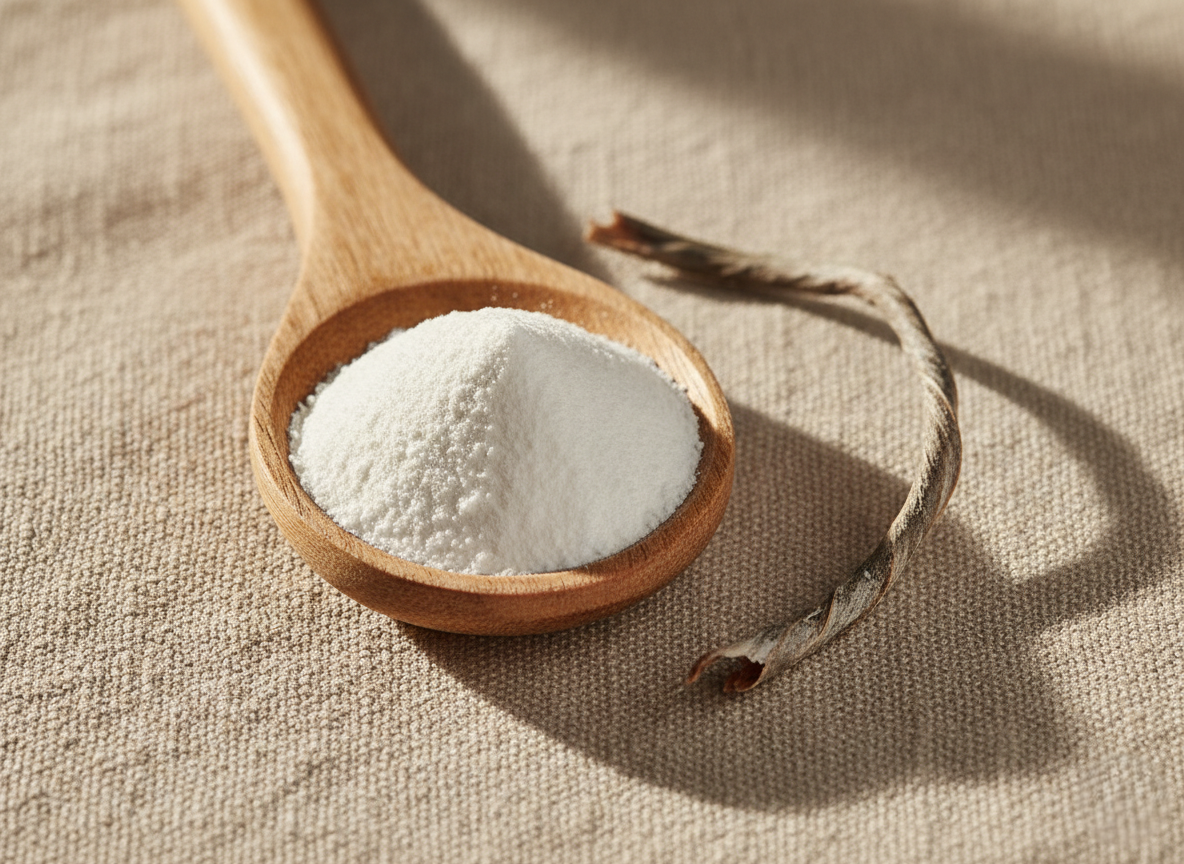
Dead skin cells can build up around the edge of a pore, creating uneven texture on the surface. When that buildup collects, it can make the pore look deeper or more pronounced than it actually is.Regular, gentle exfoliation removes this buildup. For a conscious approach, try our Kaolin Micro Exfoliant, which utilizes the texture of clay minerals to polish the skin while simultaneously absorbing excess oil—attacking the problem from two angles.
Step 3: Masking
Clay is an earth-based ingredient that acts almost like a magnet for buildup. When used weekly, a clay mask helps draw out excess oil and impurities that have settled deeper within the follicle.
Charcoal works in a similar way. Its porous structure binds to oil, debris, and environmental impurities, helping lift them out as you rinse. Together, these ingredients help clear the “plug” that can keep a pore looking stretched.
Our Charcoal Cacao Mask combines both. Activated charcoal and mineral-rich clay help detox and decongest, while cacao and calming botanicals keep skin feeling balanced and comfortable. When pores are thoroughly cleared without being stripped, they’re able to settle back to their natural, less noticeable appearance.
Step 4: Balance with Oils (The Essential Finish)
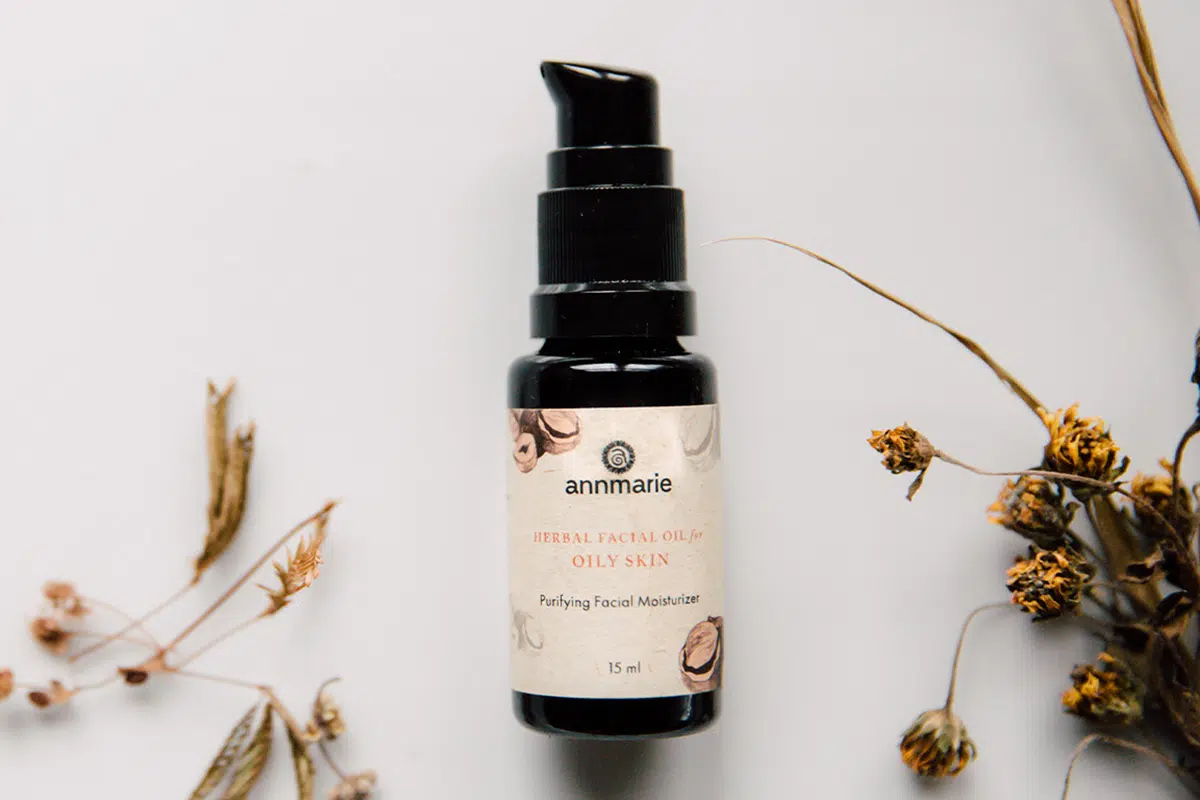
There is a myth that oily skin should avoid oil, but in reality, fighting your natural sebum often backfires. When you strip the skin, it overproduces oil, leading to larger pores. Instead, introduce a balancing oil like the Herbal Facial Oil for Oily Skin. This blend is formulated with herbs like white willow bark and neem to clarify the appearance of the skin while signaling to your sebaceous glands that the skin is nourished, helping to regulate natural oil flow and refine texture over time.
Conclusion: Honoring Your Skin’s Texture
Refining the appearance of your complexion begins with understanding what causes pores to be large—not fighting your biology, but nurturing it.
While genetics hold the blueprint for your pore size, your daily rituals control the outcome. By understanding the “why”—from hydration levels to structural health—you can let go of the frustration and embrace a routine that supports your skin.
Remember, a clear, functioning pore is a sign of a healthy skin ecosystem, not a flaw to be erased.
Frequently Asked Questions
Why are the pores on my nose so much larger than the rest of my face?
The “T-zone” (forehead, nose, and chin) has a significantly higher density of sebaceous glands compared to the rest of your face. Because these glands are more numerous and often more active, the pores in this area naturally expand to accommodate the increased oil flow.
Can diet affect the size of my pores?
Yes, indirectly. Diets high in refined sugars and dairy can trigger insulin spikes, which may influence oil production. Increased oil can lead to more congestion and larger-looking pores. Eating a balanced diet rich in antioxidants helps protect the structural integrity that keeps pores tight.
Is it better to extract clogged pores or leave them alone?
It is generally best to leave them alone or see a professional aesthetician. DIY extraction often involves squeezing, which can damage the fibers around the pore. Once these fibers are broken, the pore may permanently lose its shape. Gentle chemical or enzymatic exfoliation is a safer method for clearing clogs.
Do pore strips actually work?
Pore strips can provide immediate gratification by pulling out the top layer of a clog, but they do not treat the root cause. If used too frequently, the adhesive can damage the skin’s surface and strip away natural oils, potentially causing irritation and leading to more oil production in the long run.




Leave a Reply