

Table of Contents[Hide][Show]
Key Takeaways:
- Hyaluronic acid acts as a humectant, “a sponge” that helps attract and hold water at the skin’s surface.
- Squalane serves as an occlusive “raincoat” that helps seal in moisture and maintain the skin’s protective barrier.
- Combining these ingredients creates a complementary ritual that helps reduce moisture loss and promotes a smooth, supple-looking complexion.
- Plant-derived squalane offers a sustainable, cruelty-free option that closely resembles your skin’s natural oils.
Navigating the skin care aisle can distinctly feel like decoding a chemistry textbook, often leaving you torn between “hydrating” serums and “moisturizing” oils. To simplify this confusion surrounding squalane vs. hyaluronic acid, imagine your skin as a delicate fabric: Hyaluronic Acid is the sponge that draws in water to help maintain a smooth, supple look, while Squalane is the raincoat that helps seal moisture in, reducing water loss throughout the day. Rather than being a battle of one versus the other, understanding the difference reveals that balanced-looking skin comes from a partnership between the two—a mindful ritual where water and oil work in harmony to support a radiant, healthy-looking complexion.
The Humectant Hero: What is Hyaluronic Acid?
Before we can appreciate how these ingredients work together, we must understand the unique role of hydration. Hyaluronic acid is the cornerstone of water-based hydration, functioning distinctly from the oils that help maintain the skin’s protective layer.
Mechanism of Action
Hyaluronic acid (HA) is a naturally occurring molecule in the body known for its ability to attract water. In skin care, it functions as a powerful humectant. Think of it as a moisture magnet with an impressive capacity to bind water, helping draw hydration to the skin’s surface. This ingredient is a key component in our Anti-Aging Serum, formulated to deliver a boost of lightweight hydration for a visibly smoother, refreshed appearance.
Key Benefits
Because of its remarkable ability to attract and hold water, HA is the gold standard for creating that immediate “plump” look. It helps smooth the appearance of fine lines associated with dehydration and provides a lightweight, refreshing feel. It helps refresh dull, dry-looking skin, giving it a bounce and glow that reflects well-hydrated skin. You can find this visibly plumping effect in our Citrus Stem Cell Serum, which brightens the look of the complexion while delivering hydration.
The “Dry Climate” Caveat
However, HA works best when paired with moisture. In very dry climates where there is little humidity in the air, hyaluronic acid benefits from a complementary ingredient. When the air is dry, water at the skin’s surface can evaporate more quickly—a process commonly referred to as Transepidermal Water Loss (TEWL). This is why pairing HA with a moisture-sealing ingredient can help maintain a soft, comfortable feel.
The Barrier Protector: What is Squalane?
While hyaluronic acid focuses on water-based hydration, our skin also relies on natural lipids (oils) to help maintain softness and comfort. This is where squalane enters the ritual, acting as the guardian of your skin’s moisture.
Mechanism of Action
Squalane is a stable, lightweight emollient that closely resembles components of the skin’s natural oils. While HA is water-soluble, squalane is oil-soluble. Its role in skin care is to help soften and smooth the surface of the skin, creating a breathable layer that helps reduce moisture loss. By supporting the skin’s outermost layer, it helps maintain hydration and comfort—especially in dry conditions.
Squalene vs. Squalane
You may notice a slight spelling difference between Squalene (with an “e”) and Squalane (with an “a”). Squalene is a naturally occurring oil found in the skin. However, squalene is highly unstable and oxidizes quickly. Squalane is the hydrogenated version—more stable, shelf-life friendly, and well-suited for topical skin care use without the same tendency toward oxidation.
Plant-Derived Squalane vs. Hyaluronic Acid Source
Ethical sourcing is a core pillar of conscious beauty. While hyaluronic acid is often created through bio-fermentation, traditional squalene was historically harvested from shark livers. Today, we utilize plant-derived squalane—ethical and sustainable—such as from olives. This vegan alternative closely resembles the version historically sourced from sharks, offering a gentle way to soften and smooth the skin.
Comparing the Two: Hydration vs. Moisture
It helps to categorize these ingredients not by which is “better,” but by the specific role they play in your hydration routine. Understanding the difference between squalane and hyaluronic acid is the key to mastering your ritual.
The Specific Differences
The fundamental difference lies in their elemental base: Hyaluronic acid focuses on water-based hydration, while squalane helps provide moisture by softening the skin’s surface and supporting the skin’s protective layer. In terms of texture, products containing HA are typically watery, gel-like serums that absorb quickly. Squalane, while an oil, is unique because it feels incredibly lightweight and “dry.”
Visualizing the Difference
To visualize this perfectly, picture a glass of water. The water inside the glass represents Hyaluronic Acid—it fills the vessel. However, if you leave that glass sitting out, the water will eventually evaporate. Squalane acts as the lid on the glass. The lid doesn’t add water, but it helps slow evaporation. Using both together helps maintain a hydrated, comfortable feel.
Synergy: Can I Use Squalane and Hyaluronic Acid Together?
If you are wondering, “Can I use squalane and hyaluronic acid together?” The short answer is a resounding yes. In fact, using squalane or hyaluronic acid alone may not deliver the same balanced results as layering them together. Because they focus on different aspects of hydration—water and oils—they work beautifully in tandem.
To maximize the benefits of both, the order of application matters, generally following the rule of texture (thinnest to thickest):
- Step 1: Cleanse your face and mist generously with a toner. Leaving your skin slightly damp can enhance your hydration ritual.
- Step 2 (The Sponge): Apply your Hyaluronic Acid-rich serum, such as our Activated Hemp Serum. Gently massage it in to help bind hydration at the skin’s surface.

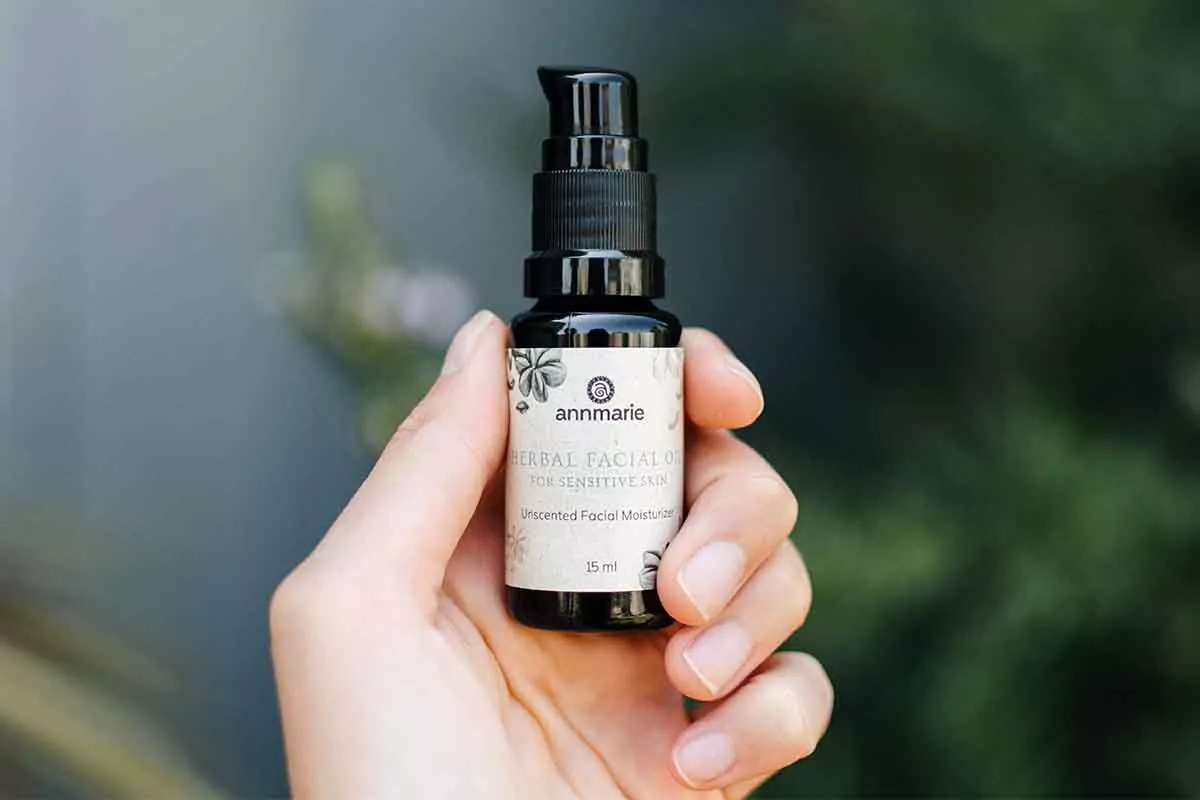
- Step 3 (The Seal): Immediately follow with squalane to help lock in surface hydration. Our Herbal Facial Oil for Sensitive Skin is formulated with squalane to help maintain the skin’s protective layer without irritation.
If you are looking to refine your layering technique, understanding how to apply facial oil correctly ensures your water or aloe-based serums can absorb comfortably before applying oils.
Customizing the Duo for Your Skin Type
While this pairing works beautifully for many skin types, the way you integrate it can be tailored to suit your specific skin concerns.
Oily and Acne-Prone Skin
Those with oily skin often fear adding more oil, but squalane is non-comedogenic. Because it closely resembles the skin’s natural oils, it feels lightweight and absorbs comfortably without leaving a greasy finish. When paired with HA, oily skin types can enjoy balanced hydration without the heavy feeling of traditional creams.
Dry and Mature Skin – H3
As we age, the skin’s natural oil levels can shift. For mature skin, this pairing offers skin-quenching comfort. HA helps create a visibly plumper look, softening the appearance of fine lines, while squalane delivers nourishing moisture that enhances smoothness and suppleness. For comprehensive care, our Restorative Facial Neck Cream combines hydrating elements with rich emollients to promote a radiant, healthy-looking complexion and help maintain the skin’s protective layer.
Conclusion: A Partnership for Radiance
Ultimately, the conversation shouldn’t be about “Squalane vs. Hyaluronic Acid,” but rather how to intentionally layer them. By viewing Hyaluronic Acid as your hydrator and Squalane as your moisture-sealing partner, you move beyond guessing games and into the realm of a thoughtful skin care ritual. Listen to your skin—empower yourself with this knowledge, and your hydration ritual can help promote visible, long-lasting comfort and radiance.
Frequently Asked Questions
Is squalane or hyaluronic acid better for wrinkles?
Hyaluronic acid is ideal for creating an immediately visibly plumper look, which can temporarily soften the appearance of fine lines. Squalane excels at delivering nourishing moisture that enhances smoothness over time, helping improve the look of deeper wrinkles as part of a consistent hydration routine.
Can using them together cause breakouts?
It is generally unlikely. Hyaluronic acid is oil-free, and plant-derived squalane has a low comedogenic rating, making this pairing well-suited for many acne-prone skin types. As with any new product, individual responses can vary.
Do I apply squalane before or after moisturizer?
If you are using a cream moisturizer, apply your squalane oil after the moisturizer (or mix a few drops into it). If you are using squalane in place of a cream moisturizer, apply it after your water-based serums (like HA) to help seal in surface hydration.
Is plant-derived squalane as effective as animal squalene?
Yes. Plant-derived squalane (from olives or sugarcane) is structurally comparable to the version historically sourced from sharks. It delivers the same moisturizing properties and helps reduce moisture loss—without the ethical concerns associated with animal harvesting.





Leave a Reply