

Table of Contents[Hide][Show]
Key Takeaways:
- A decline in estrogen during menopause is the primary cause of common skin changes.
- Your skin can lose a significant amount of collagen and its protective barrier weakens.
- Adopting a gentle, mindful skin care ritual can help support the appearance of perimenopausal skin.
- Understanding why your skin is changing is the first step toward feeling confident and in control.
Menopause is often discussed in hushed tones, yet it is a profound physiological shift that every woman navigates. One of the most visible markers of this transition appears on our skin. If you have noticed sudden dryness, a loss of elasticity, or unexpected sensitivities, know that your skin is not “failing” you; it is simply responding to a new internal climate. Estrogen, which once acted as a constant source of hydration and collagen support, is receding. This guide is your map to navigating this new terrain, offering the science to understand these changes and the mindful rituals to nurture your skin’s resilience through this beautiful, evolving chapter.
The Science of Menopausal Skin: Why Estrogen is Key
Estrogen plays a starring role in the health and vitality of our skin, influencing everything from collagen production and hydration levels to its overall thickness and resilience. It’s a simple truth: as estrogen levels naturally decline during perimenopause and menopause, the skin’s fundamental support system begins to weaken. This hormonal shift is the root cause of many of the skin changes during menopause you’re seeing in the mirror.
The two most critical impacts of this decline are a rapid loss of collagen and a compromised skin barrier. Women can lose a significant amount of skin collagen in the first five years of menopause, which is the protein responsible for your skin’s firmness and structure. At the same time, lower estrogen levels decrease the natural production of hydrating factors like ceramides and hyaluronic acid. This makes it much harder for your skin to retain precious moisture and defend itself against environmental stressors, leaving it feeling vulnerable and thirsty.
The 5 Key Skin Changes During Menopause: What They Are and Why They Happen

This weakening of your skin’s support system manifests in several distinct ways. You may notice one or all of them, but know that each is a normal and understandable effect of this hormonal transition. Let’s explore what these changes are and, more importantly, why they occur.
1. Increased Dryness and a Thinner Appearance
Without estrogen’s steadying presence, your skin produces fewer of its own natural oils (sebum) and hydrating hyaluronic acid. This leads to a chronically dry, sometimes “papery” texture. The skin’s protective barrier, which is designed to lock moisture in and keep irritants out, becomes less effective, allowing water to evaporate more easily and leaving skin feeling constantly thirsty and tight.
2. The Appearance of More Fine Lines and Wrinkles
This change is connected directly to the rapid collagen decline we mentioned. Collagen acts as the scaffolding that holds your skin up, giving it that plump, smooth appearance. With less of this structural support, the skin doesn’t “bounce back” from expressions as it once did. As a result, fine lines and deeper wrinkles become more pronounced, particularly around the eyes, mouth, and forehead.
3. Heightened Sensitivity and Itchiness
A weaker, drier skin barrier is a more vulnerable one. Without its strong lipid protection, your skin becomes more susceptible to external irritants from the environment, fragrances, or harsh ingredients. This, combined with the pervasive dryness, is why so many women experience skin that feels tight, itchy, and easily unsettled during menopause.
4. Uneven Skin Tone and Pigmentation Changes
Hormonal fluctuations can directly impact melanocytes, the cells responsible for producing pigment in your skin. The menopause skin pigmentation changes can lead to the appearance or darkening of age spots and patches of melasma, creating a less even skin tone. This is especially true for areas of the skin that are frequently exposed to the sun. Because your skin is more vulnerable during this time, daily sun care is more critical than ever. You can learn more about how to best care for your complexion with our guide to sun protection and anti-aging.
5. The Return of Blemishes and Acne
If you’re experiencing breakouts for the first time in decades, you’re not alone. This is due to a concept called “relative androgen dominance.” As your estrogen levels fall, the effects of androgens (like testosterone, which everyone has) can become more pronounced. These hormones can stimulate your sebaceous glands to produce more oil, leading to clogged pores and hormonal blemishes, often appearing along the chin and jawline.
A Mindful Ritual for Menopausal Skin: Your 4-Step Plan for a Healthy, Glowing Appearance
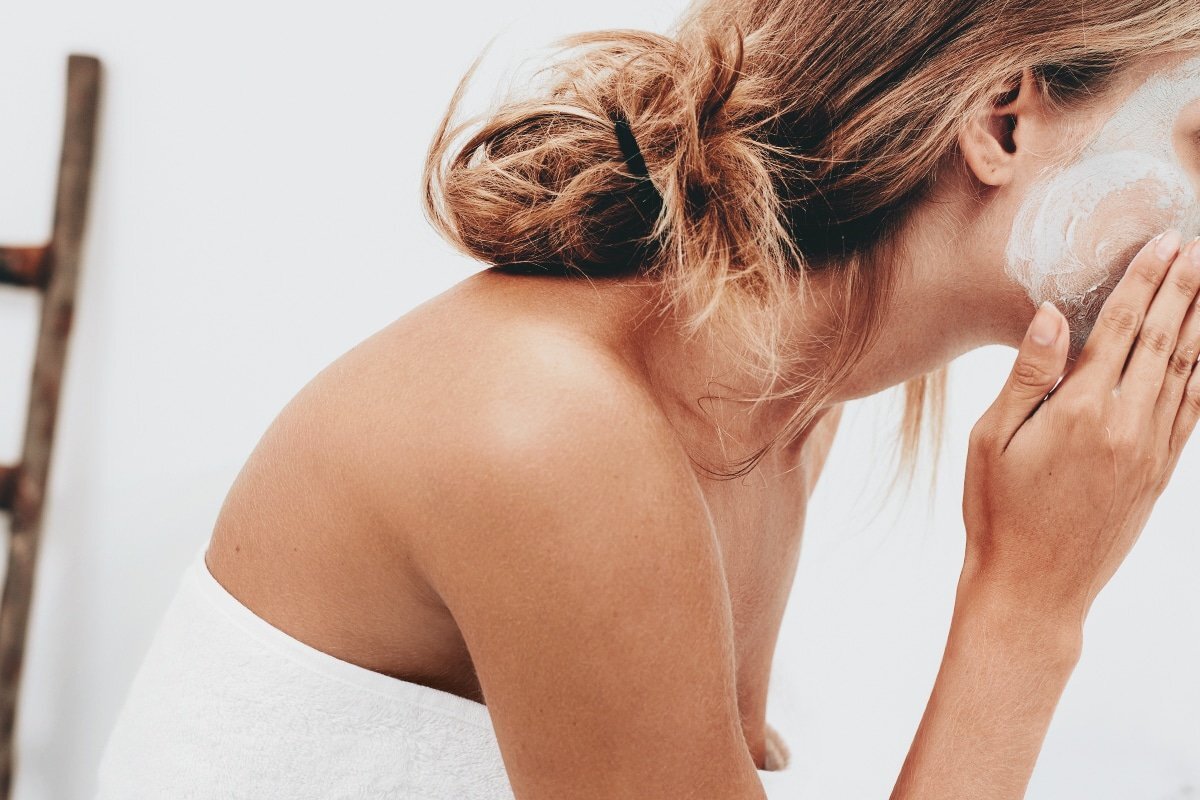
Understanding what’s happening is the first step; responding with gentle, consistent care is the second. We believe in turning a routine into a ritual—a daily moment of intentional self-care that honors your skin exactly where it is. Here is a simple, 4-step plan to nourish menopausal skin and restore a healthy, glowing appearance.
Step 1: Cleanse with Compassion
The biggest mistake you can make with menopausal skin is using harsh, stripping foam or gel cleansers that further compromise your delicate skin barrier. The mindful approach is to choose a gentle, cream-based, or oil-based cleanser that effectively removes impurities, makeup, and excess oil without stripping away vital moisture. Think of this step as lovingly purifying your skin, providing a clean, soft, and receptive base for the rest of your ritual. A formula like our Aloe Herb Facial Cleanser is perfect for this; it cleanses effectively while leaving the skin feeling soft and nourished.
Step 2: Hydrate & Brighten with a Nutrient-Rich Serum
Serums are concentrated elixirs that deliver concentrated ingredients where they’re most needed—a supportive step when skin feels more fragile. For menopausal skin, focus on ingredients that deliver a surge of hydration while also providing antioxidant support to address uneven tone and restore vibrancy. The mindful approach for this step is to warm a few drops between your fingertips and gently press the serum into your skin. As you do, take a slow, deep breath and appreciate the feeling of replenishment. Our Wild Fruit Serum is a wonderful choice for this moment, as it addresses the appearance of uneven skin tone and gives the complexion a vibrant, antioxidant-rich boost.
Step 3: Seal and Moisturize with a Restorative Cream
A high-quality moisturizer is truly non-negotiable for menopausal skin. Its primary job is to help support your skin’s natural moisture barrier, locking in the hydration from your serum and minimizing moisture loss throughout the day. This is the step where you lovingly “tuck your skin in.” Choose a richer cream formulated with ingredients that provide nurturing moisture, comfort, and soothing hydration. Our Restorative Facial Cream is specifically designed to address the needs of dry, mature skin, providing lasting, comforting hydration and a visibly plumped appearance. Explore how the right moisturizer can become an anchor in your routine by reading our guide to the ultimate anti-aging moisturizer.
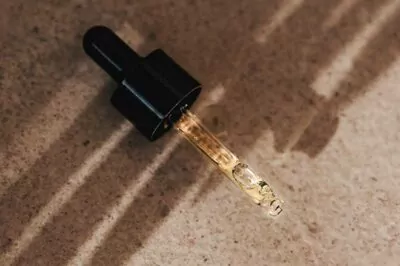
Step 4: Nourish and Protect with a Facial Oil
Facial oils are exceptionally beneficial for menopausal skin because their lipid-rich nature helps supplement the natural oils your skin isn’t producing as abundantly. This step is especially helpful in easing the feeling of persistent dryness and bringing back a soft, supple texture.
The mindful approach here is to gently massage the oil in using upward, sweeping strokes. This not only enhances the experience but offers a moment of grounding facial massage, easing tension in the jaw and forehead.
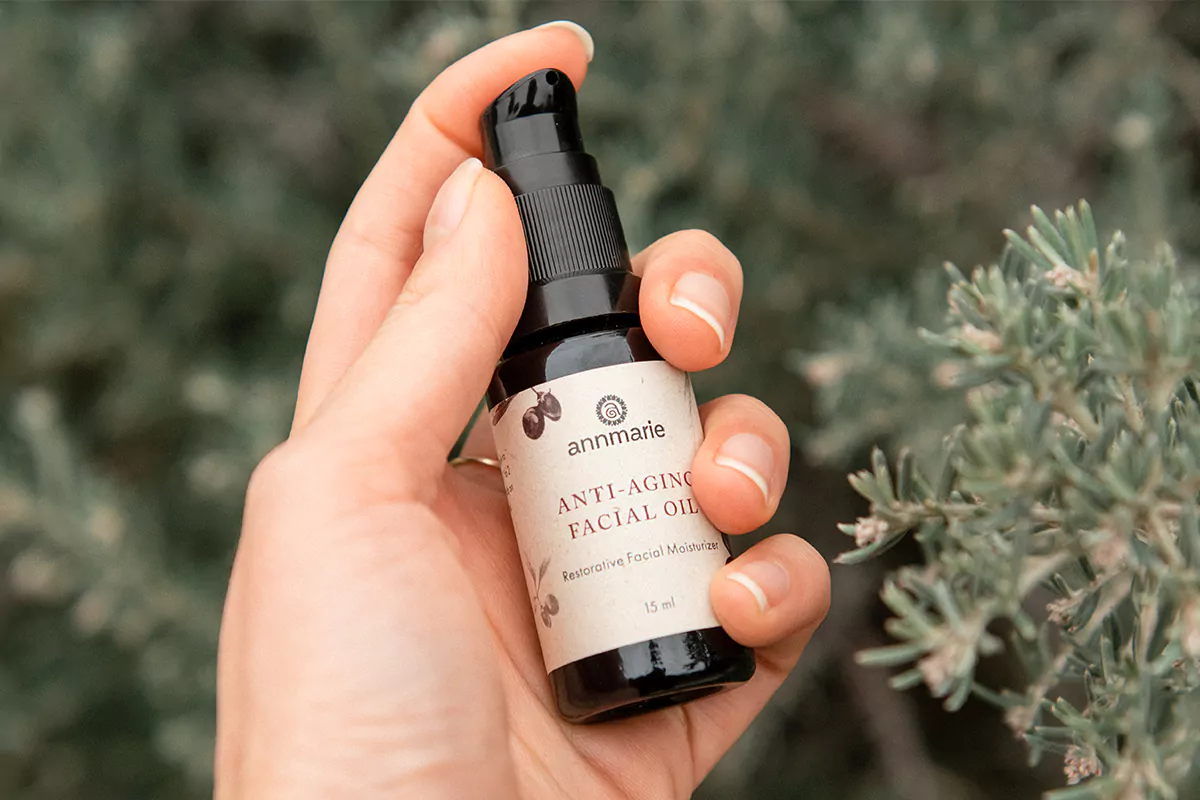
To complete your daily ritual, the Anti-Aging Facial Oil provides deep, nurturing moisture and helps to soften the appearance of fine lines and wrinkles.
Lifestyle Rituals That Honor Your Skin from Within
Truly vibrant skin is a reflection of overall well-being, and topical care is only one part of the beautiful equation. Honoring your skin during menopause also means nurturing your body from the inside out.
Embrace a Nutrient-Dense Diet
Focus on incorporating foods rich in phytoestrogens (like flax seeds and soy), which can offer some balance. Fill your plate with a rainbow of antioxidant-rich fruits and vegetables, like berries and leafy greens, to support overall skin well-being. Healthy fats, found in avocados, nuts, and olive oil, also help support skin that feels nourished and comfortable.
Manage Stress Mindfully
We now know that chronic stress elevates cortisol levels, a hormone that can influence the way your skin looks and feels over time. It’s more important than ever to create intentional pauses in your day. Simple rituals like a five-minute meditation, a gentle yoga session, or a few moments of deep, conscious breathing can help you feel more centered—and your skin often reflects that sense of calm.
Conclusion: Embrace the Transition with Confidence and Care
The skin changes that accompany menopause are a normal and understandable part of your body’s journey. They are signals, not sentences. By understanding the science behind menopause and skin changes, you can move from a place of frustration to a place of empowerment. With the right knowledge and a mindful approach, you can work with your skin, not against it, providing the nourishment and compassion it needs to thrive in this new phase. This is a time to celebrate the wisdom you’ve earned and the profound beauty that comes with it, greeting the woman in the mirror with confidence and loving care.
Frequently Asked Questions
How can I improve the appearance of sagging skin or jowls?
While you cannot entirely reverse the loss of collagen, you can absolutely improve the skin’s appearance. Focus on products with ingredients known to support the skin’s look of firmness. Using ingredients that provide deep hydration and rich antioxidant support, like those found in our Anti-Aging Serum, can help create a firmer and more toned appearance over time. For a comprehensive approach, you can explore a full range of nurturing formulas in our Anti-Aging Collection.
What are the best ingredients to look for on a label?
For menopausal skin, look for key ingredients that offer targeted cosmetic benefits. Hyaluronic acid is a superstar for hydration, helping the skin attract and hold moisture. Ceramides are lipids that can help the skin feel smoother and more comfortable. Gentle exfoliants, like lactic acid, can help brighten the look of the skin without causing irritation.
Finally, a diet and skin care routine rich in antioxidant-supportive ingredients—such as Vitamin C and nutrient-rich plant extracts—can help maintain a healthy-looking, radiant complexion.
How do I manage skincare with hot flashes and night sweats?
Sudden heat can lead to flushing, redness, and sweat that may dehydrate or irritate the skin. Keep your routine simple and calming. If you wake up from night sweats, a gentle splash of cool water or a soothing toner is often better than a harsh morning cleanse, which can strip essential oils. Look for soothing ingredients like aloe vera and calendula to soothe the look of flushed skin. Keeping a hydrating mist in the fridge for a quick, cooling spritz during a hot flash can also provide instant relief and hydration.




Leave a Reply