

Table of Contents[Hide][Show]
Key Takeaways:
- Linoleic acid (Omega-6) acts as the structural “mortar” for your skin’s barrier, making it vital for balancing oily or blemish-prone complexions.
- Oleic acid (Omega-9) serves as a rich nourishing agent that deeply softens and seals moisture into dry or mature skin types.
- Understanding the ratio of these fatty acids allows you to curate a skincare ritual that works in synergy with your unique biology rather than against it.
We have all been there: standing in the clean beauty aisle or scrolling through endless reviews, wondering why a “miracle” oil that transformed a friend’s complexion caused nothing but congestion for us.
It’s usually not about whether the botanical is “good” or “bad.” It comes down to its fatty acid profile and how that chemistry interacts with your skin. The real key to choosing wisely is understanding the balance of linoleic acid and oleic acid, and how your skin responds to each.
Grasping the difference effectively ends the guessing game, empowering you to choose botanical oils that harmonize with your skin’s needs for a truly radiant, healthy-looking barrier.
Defining the Duo: What Are These Fatty Acids?
Before we can expertly layer these ingredients into our evening rituals, we must understand what they are on a fundamental level.
Fatty acids are the building blocks of the oils we love, and their specific molecular shapes dictate how they behave on your skin.
Linoleic Acid (The Essential Omega-6)
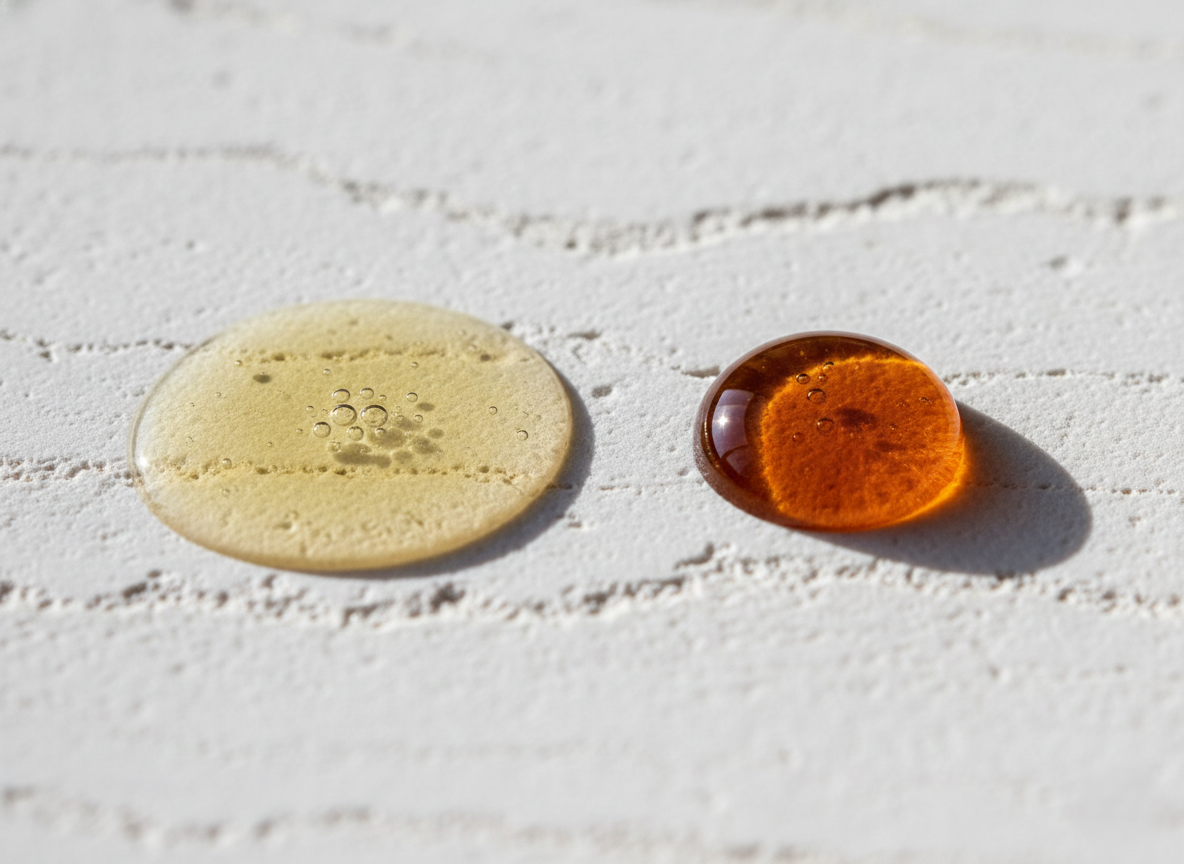
Linoleic acid is a polyunsaturated fatty acid (PUFA). In chemical terms, this means its carbon chain contains two double bonds. This structure keeps the oil lighter and more fluid. It is termed an “essential” fatty acid because the human body cannot produce it on its own; we must obtain it through our diet or topical application. It is a critical nutrient for maintaining the comprehensive appearance of health on the skin’s surface.
Oleic Acid (The Nourishing Omega-9)
On the other side of the spectrum is oleic acid, a monounsaturated fatty acid (MUFA) featuring just a single double bond. Unlike linoleic acid, our bodies can produce oleic acid naturally.
Oils high in this fatty acid tend to be richer, thicker, and more stable against oxidation. They provide that luxurious, heavy feel often associated with intense moisturization.
While knowing the chemistry is helpful, the real magic happens when we look at how.
The Biological Role: How Fatty Acids Function Within the Skin Barrier
To picture how these fatty acids work, imagine the outermost layer of your skin, the stratum corneum, as a brick wall. The skin cells are the bricks, and the lipids, or natural oils, that sit between them act like the “mortar” holding everything together.
Linoleic Acid as the “Mortar”
Linoleic acid is integral to this structure. It plays a direct role in supporting the synthesis of ceramides, effectively acting as the “mortar” that keeps your skin cells bonded together.
When this mortar is strong, it creates a resilient shield that prevents hydration from escaping—a process known as transepidermal water loss (TEWL)—and keeps environmental stressors out. Without adequate linoleic acid, the mortar can crumble, leading to a compromised barrier often characterized by dryness and sensitivity.
Oleic Acid: Supporting Deeper Absorption
Oleic acid works a little differently. Instead of reinforcing the structure, it helps soften and loosen the lipid layers slightly. This increases permeability, meaning it allows other nutrients to pass through the surface more easily.
In simple terms, it acts like a delivery helper, supporting deeper absorption of the ingredients applied alongside it.
However, because it fluidizes the lipids, an excess of oleic acid on the wrong skin type can disrupt the integrity of the skin moisture barrier, potentially leading to irritation if not balanced correctly.
Choosing the Right Oil for Your Specific Skin Concerns
The “bad reaction” many people experience with facial oils is often just a mismatch of fatty acid profiles. Your skin type dictates which acid it craves most.
The Case for Linoleic Acid (Oily and Blemish-Prone Skin)
For years, people with oily skin were told to avoid oils altogether. But newer research suggests it’s more nuanced than that and that the type of oil matters. Some studies have found that blemish-prone skin tends to have lower levels of linoleic acid in its surface lipids. When linoleic acid levels are lower, sebum can become thicker and more prone to congestion.
Using oils that are naturally higher in linoleic acid may help support a more balanced-looking complexion and keep skin feeling clearer and more comfortable. Our Herbal Facial Oil for Oily Skin is formulated with this in mind, utilizing high-linoleic botanicals to balance surface oils without stripping the skin.
The Case for Oleic Acid (Dry and Mature Skin)
Dry and mature skin types tend to produce less sebum over time, which can leave skin feeling tight, flaky, or less supple. These skin types often benefit from richer, more cushioning oils to help replenish what the skin isn’t naturally producing in abundance.
Oils that are higher in oleic acid are typically more emollient and occlusive. They help create a protective layer on the surface of the skin, which supports moisture retention and leaves skin feeling softer, smoother, and more comfortable.
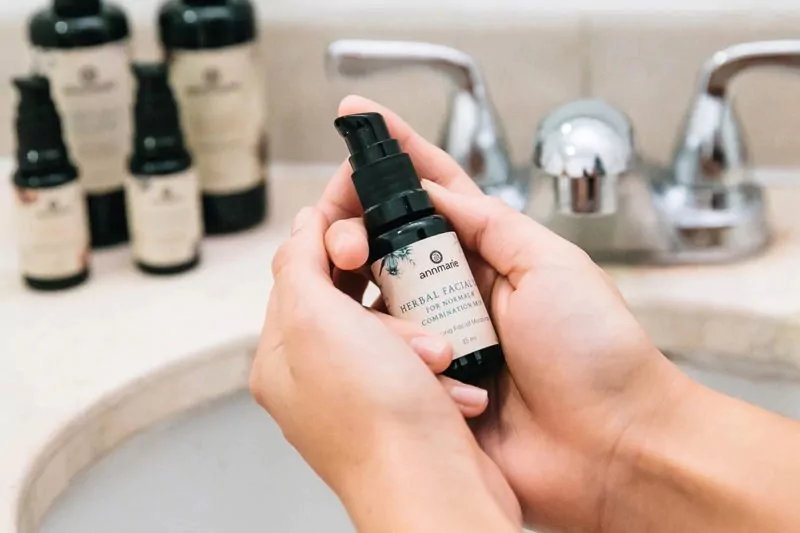
For intensive care, our Rejuvenating Facial Oil leverages these richer oils to deeply nourish dry and aging skin.
Finding the Sweet Spot (Normal and Combination Skin)
If your skin is neither extremely dry nor extremely oily, or perhaps a mix of both, you reside in the “sweet spot.” Here, the goal is maintenance and balance.
Many highly praised oils, such as Argan or Jojoba, possess a relatively balanced profile of both linoleic acid and oleic acid. These are adaptable, offering barrier support alongside moisture retention.
A Curated List of Botanical Oils by Fatty Acid Profile
To empower your choices, we have categorized the most common botanical oils by their dominant fatty acid.
Oils Rich in Linoleic Acid
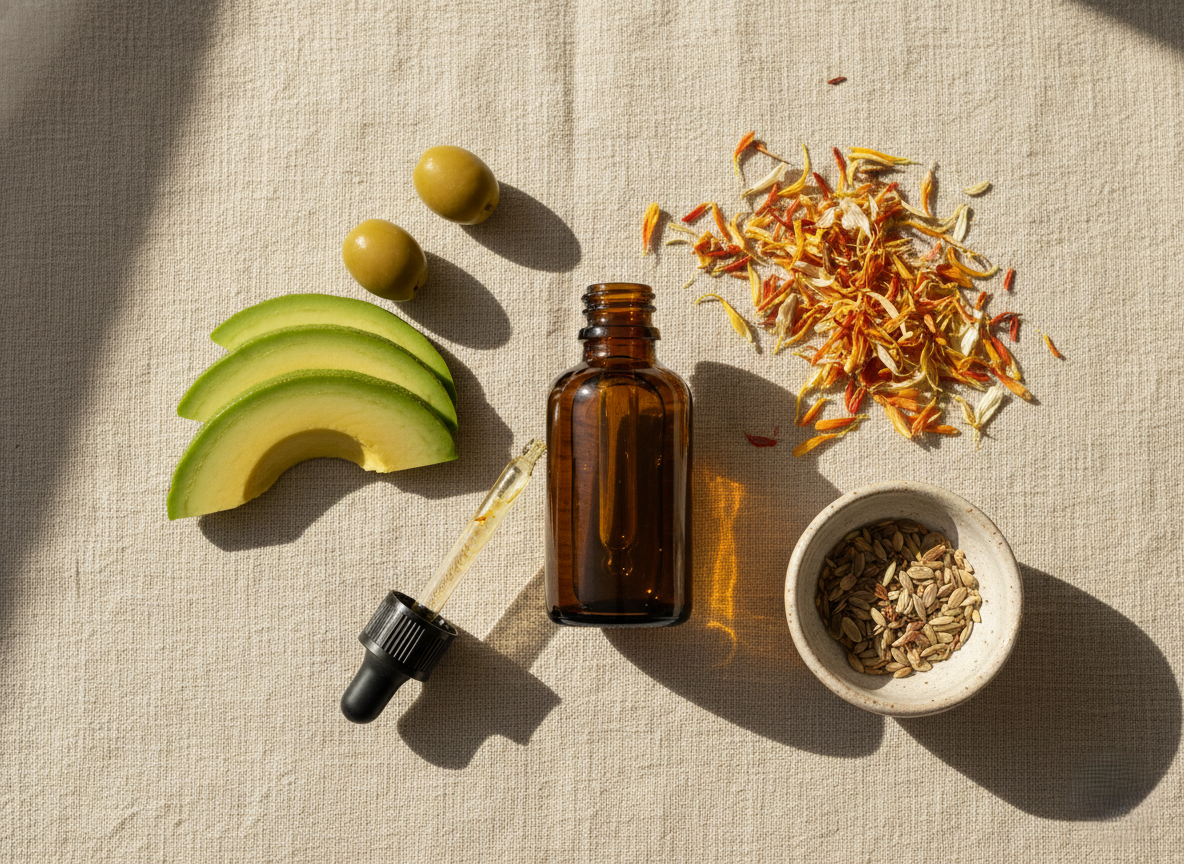
These oils are often referred to as “dry oils” because they absorb rapidly and leave a matte or satin finish, making them ideal for oily or congested skin.
- Safflower Oil: One of the highest sources of linoleic acid available.
- Grapeseed Oil: Lightweight and naturally astringent.
- Hemp Seed Oil: Excellent for soothing the appearance of redness.
- Rosehip Seed Oil: A powerhouse for rejuvenation and improving the look of skin texture.
- Evening Primrose Oil: Supports a calmer-looking complexion
Oils Rich in Oleic Acid
These oils feel richer, provide “slip,” and take longer to absorb, making them perfect for nightly rituals for dry or aging skin.
- Olive Oil: A heavy, traditional moisturizer.
- Avocado Oil: Thick and deeply penetrating.
- Marula Oil: Luxurious and highly nourishing.
- Hazelnut Oil: Hydrating but slightly more astringent than avocado.
- Camellia Oil: A secret of Geisha beauty rituals for softness.
The Balanced Contenders
These oils sit in the middle and are generally well-tolerated by most skin types.
- Argan Oil: The “liquid gold” that balances moisture and protection.
- Jojoba Oil: Technically a wax ester, it mimics human sebum almost perfectly.
- Tamanu Oil: A rich, restorative oil with a unique profile.
Practical Application: Incorporating These Acids into Your Routine
Creating a ritual around your facial oil is about more than just application; it is about preservation and observation.
Understanding Stability and Oxidation
Linoleic acid contains two double bonds in its structure, which makes oils high in linoleic acid more delicate and more prone to oxidation than oils rich in oleic acid. When exposed to heat, light, or air, these oils can degrade more quickly. That’s why it’s best to store high-linoleic oils in a cool, dark place and keep the cap tightly closed.
Oils higher in oleic acid are generally more stable and tend to have a longer shelf life. If you’re choosing a product rich in linoleic acid, look for formulas that also include antioxidants like vitamin E or rosemary extract. These ingredients help support the oil’s stability and maintain overall formula integrity over time.
Listening to Your Skin’s Feedback
Your skin is constantly giving feedback. If you apply a new oil and your skin feels tight or dry shortly after, it may not be providing enough surface-level nourishment for where your skin is right now. On the other hand, if you begin to notice congestion or small bumps over time, the formula may feel too rich for your complexion.
A less-is-more approach is best. Start with two to three drops, warm them between your palms, and gently press the oil into damp skin. Then give your skin time to adjust and observe how it looks and feels over the course of a full skin cycle, which is typically around 28 days.
Conclusion: Honoring Your Biology
Skin care is not one-size-fits-all, and the “best” oil is simply the one that supplies what your unique barrier is missing. By understanding the chemistry of linoleic vs. oleic acid, you can stop guessing and start selecting products that work in synergy with your skin’s biological needs.
Whether you need the structural support of linoleic acid or the deep nourishment of oleic acid, the goal remains the same: a healthy, functioning barrier and a naturally radiant complexion.
Frequently Asked Questions
Can I mix linoleic and oleic acid oils together?
Yes, blending is often beneficial. In fact, nature rarely deals in absolutes; most oils contain both acids. Mixing them allows you to mimic the skin’s natural lipid complexity, providing both barrier repair and surface moisture.
Which acid is better for mature skin?
Both have distinct roles in a pro-aging routine. Oleic acid aids in deep moisture to plump the look of fine lines, while linoleic acid supports the barrier structure essential for maintaining youthful resilience and elasticity.
Does eating foods high in linoleic acid help my skin?
Dietary intake is crucial regarding overall health, but for targeted skin barrier support, topical application is often more direct and effective. Applying the fatty acid directly to the stratum corneum delivers immediate building blocks where they are needed most.
Is Rosehip oil high in linoleic or oleic acid?
Rosehip seed oil is predominantly high in linoleic acid. This makes it an excellent choice for those with oily or blemish-prone skin who are also seeking to improve the appearance of scarring or uneven texture.






Leave a Reply