


Table of Contents[Hide][Show]
Key Takeaways
- Your skin barrier is a protective shield; damage can cause redness, tightness, and sensitivity.
- Common causes of damage are harsh skin care, over-exfoliation, and long hours of unprotected sun exposure.
- Restoring a damaged barrier requires a gentle ritual of cleansing, hydrating, moisturizing, and protecting.
- Consistent care with soothing ingredients is key to rebuilding resilient, healthy skin.
It is a frustrating paradox: you feel like you are doing everything “right”—using active ingredients, exfoliating, and cleansing deeply—yet your skin feels tighter, redder, and more irritable than ever. It’s not that your skin is broken; it’s that its guard is down. Your skin possesses a built-in shield known as the moisture barrier. When this delicate layer is compromised, even the gentlest products can sting, and moisture escapes rapidly. This guide is your invitation to stop fighting your skin and start rebuilding it, helping you identify the signs of damage and embrace the gentle ritual needed to restore peace and resilience.
The Foundation of Healthy Skin: What Is a Skin Barrier?

It’s easy to think of our skin as just a surface, but it’s a complex, intelligent organ. To truly grasp its needs, let’s use an analogy: think of your skin barrier—scientifically known as the stratum corneum—as a beautiful, strong brick wall. The bricks are your skin cells (corneocytes), and the mortar holding them all together is a delicate matrix of lipids, primarily composed of ceramides, cholesterol, and essential fatty acids.
This “mortar” is everything. A strong, intact mortar creates a seamless barrier that performs two vital functions: it seals moisture in, keeping your skin hydrated, supple, and plump, and it keeps harmful external elements out, protecting your deeper skin layers from pollutants, irritants, and bacteria. When this barrier is healthy, your skin looks and feels its best: calm, glowing, and resilient.
7 Telltale Signs of a Damaged Skin Barrier
When the lipid mortar begins to break down, that strong wall becomes weak and porous. Your skin’s defenses are down, and it will let you know through a series of telltale signs. It’s a moment of hesitation many of us have experienced—wondering if our skin is just having a “bad day” or if something more is going on. These signs are your skin’s way of communicating a deeper need for support.
Visual Cues: Persistent Redness, Flakiness, and Texture Changes
If you’re wondering what does a damaged skin barrier look like, one of the most immediate signs is a visible change in your complexion. Because the barrier can no longer effectively lock in moisture, you might notice persistent dry patches and a rough, flaky texture, even if your skin is typically oily. This breakdown also leaves your skin vulnerable to irritants, which can trigger a response that shows up as chronic redness or blotchiness that doesn’t seem to go away.
Sensory Cues: Chronic Itchiness, Burning, and a Feeling of Tightness
A compromised barrier doesn’t just look irritated; it feels it. Nerve endings become more exposed to the elements, leading to sensations of itchiness, stinging, or burning, especially when applying products that never bothered you before. You may also experience a constant feeling of tightness or tautness from dehydrated, dry skin (rather than plump, firm skin), even right after moisturizing. This is a classic sign that your skin is experiencing significant transepidermal water loss (TEWL), meaning its precious moisture is literally evaporating into the air.
The Root Causes: What Damages the Skin Barrier?
Understanding that your barrier is damaged is the first step, but the second, equally important step is identifying the cause. It’s often in our daily habits and environment that we find the culprits responsible for chipping away at our skin’s protective mortar. By recognizing them, you can turn your daily routine from a source of stress into a source of gentle restoration.

Aggressive Skin Care: The Impact of Over-Exfoliation and Harsh Products
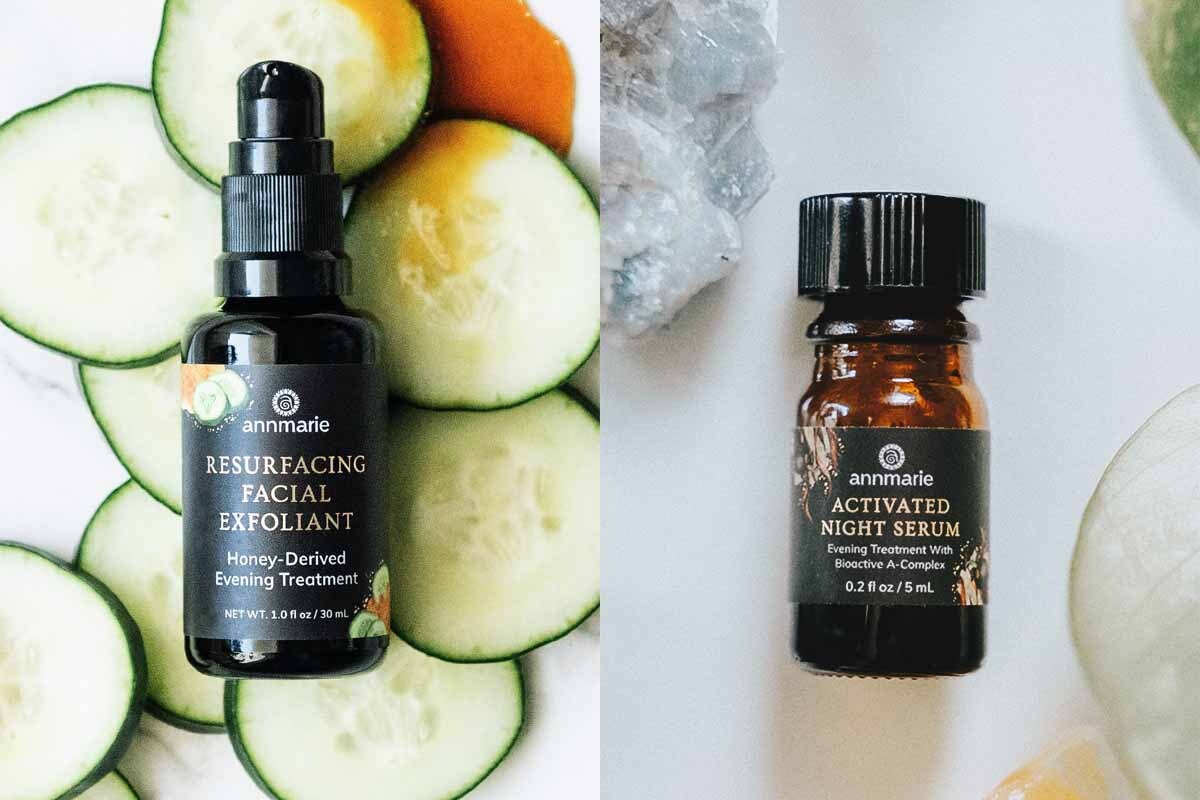
In our quest for perfect skin, it’s easy to do too much. The desire for a “squeaky clean” feeling often leads us to harsh, foaming cleansers that strip away our natural lipids. Similarly, the overuse of powerful exfoliants (like harsher acids and scrubs) and high-concentration actives can physically and chemically wear down the barrier faster than it can recover, leaving it raw and exposed. There is a time and place to incorporate resurfacing actives like a gentle fruit-derived AHA or retinol-alternative, but if your skin is in a compromised state, better to go back to the essentials and nourish it back to its baseline before reintroducing your favorite non-toxic activated ingredients.
Environmental Stressors: Unprotected Sun Exposure, Pollution, and Harsh Weather
Your skin is your frontline defense against the world, and sometimes, it can take a beating. Unprotected sun exposure is one of the biggest culprits, as UV radiation generates environmental stressors that degrade the lipid barrier. Add to that urban pollution, dry air, and harsh winds, and you have a recipe for chronic irritation and a barrier that is constantly under assault and trying to play catch-up. The idea isn’t to be fearful of the beautiful world around us, but to engage with it with the proper protection and setup.
Internal Factors: The Role of Stress and Diet
What happens inside our bodies is often reflected on the outside. High levels of cortisol, the stress hormone, have been shown to impair barrier function and slow down its recovery process. Likewise, a diet lacking in essential fatty acids—the very building blocks of your skin’s lipid mortar—can deprive your skin of the raw materials it needs to stay strong and healthy.
How to Fix a Damaged Skin Barrier: A 4-Step Ritual
Now for the most empowering part: the restoration process. It’s not about adding more, but about being more intentional. This simple, four-step ritual is the ideal skin care routine for a damaged skin barrier, designed to soothe immediate irritation while methodically rebuilding your barrier from the ground up, restoring comfort, and revealing a healthier, more resilient glow.
Step 1: Cleanse with Care
The unbreakable rule of barrier support is to stop stripping your skin. Put away any high-foam cleansers that leave your skin feeling tight. Instead, choose a creamy, low-lather, pH-balanced cleanser. This mindful swap ensures you are removing impurities without dissolving the precious lipids your skin desperately needs. A formula like our Aloe Herb Facial Cleanser is a perfect example; it uses gentle, coconut-derived surfactants to lift away dirt while calming the skin with aloe vera and lavender.
Step 2: Hydrate and Calm
With a compromised barrier, your skin is thirsty. Before you seal it, you need to replenish its water content. A facial mist is a beautiful way to do this, offering an immediate cooling and calming sensation. Look for formulas with ingredients like aloe vera, glycerin, or soothing florals. Our Botanical Hydration Mist With Immortelle is a great option to incorporate with its calming key ingredients, immortelle (also known as helichrysum), chamomile, and rose. Another standout option is the Neroli Toning Mist—a perfect choice for this mindful moment, delivering a wave of moisture while neroli oil helps to alleviate temporary redness and soothe the senses.
Step 3: Moisturize to Fortify and Protect
This is the most critical step in your rebuilding ritual. A well-formulated moisturizer does more than just hydrate; it delivers the essential lipids needed to patch up the holes in your barrier’s mortar. This is where you give your skin the building blocks to fortify itself. Choose a rich, comforting cream packed with ingredients that mimic your skin’s natural lipid structure. A nourishing formula like our Restorative Facial & Neck Cream is the ideal tool for this, as it deeply moisturizes while replenishing the skin with fortifying fatty acids and soothing herbs. Discover how we crafted this formula to be the ultimate anti-aging moisturizer.
Step 4: Shield from Daily Aggressors
Finally, you must protect your skin as it recovers. A damaged barrier is significantly more vulnerable to the harmful effects of UV radiation, which can deepen the look of redness and undo all your hard work. Applying a broad-spectrum sunscreen every single morning is non-negotiable. Think of it as putting a protective canopy over your brick wall while the mortar is being fortified. Daily sun protection is essential not just for preventing future damage but for actively supporting the restoration process.
Nature’s Most Supportive Ingredients for Barrier Support
As you embrace this gentle ritual, it’s empowering to understand the “why” behind the ingredients you’re using. Nature provides some of the most effective and skin-compatible materials for rebuilding and soothing a compromised barrier. By focusing on these powerhouse ingredients, you can choose your products with confidence, knowing they are providing exactly what your skin needs to thrive.
Essential Fatty Acids: The Foundational Building Blocks
These are the literal building blocks of your skin’s lipid matrix. Without them, your barrier simply cannot hold onto moisture or defend itself properly. Plant oils are a beautiful source of these nutrients, delivering them in a form your skin recognizes and can easily use. Ingredients like rosehip seed oil are an excellent source of these vital nutrients, renowned for their ability to nourish and restore suppleness. Other standouts include jojoba, shea, and sunflower oils.
Soothing Botanicals and Hydrators
While your barrier rebuilds, your skin craves immediate comfort. This is where soothing botanicals and powerful hydrators shine. Ingredients like aloe vera, chamomile, and calendula are celebrated for their ability to calm the skin and lessen the appearance of temporary redness and discomfort. When paired with a hydrator like vegetable glycerin, hyaluronic acid, saccharide isomerate, or Tremella mushroom—a plant-based alternative to hyaluronic acid—they provide instant relief and a cushion of moisture that makes your skin feel comforted and cared for.

Conclusion: A Ritual of Restraint and Restoration
Healing a damaged barrier is less about what you do, and more about what you stop doing. It is a lesson in restraint and kindness. By stepping back from harsh actives for a moment and embracing a ritual of deep nourishment, you allow your skin’s natural “brick and mortar” structure to get back to its baseline. The result isn’t just a reduction in temporary redness; it is a profound sense of comfort. When you respect your skin’s boundaries, it rewards you with resilience and a healthy, tranquil glow.
Frequently Asked Questions
How long does it take to restore the look of a damaged skin barrier?
While you may feel immediate relief from soothing ingredients, true barrier restoration takes time and consistency. On average, with a gentle and dedicated ritual, you can expect to see significant improvement in 2-4 weeks as your skin’s outermost layer completes its natural renewal cycle. For more severe damage, it may take a couple of months to fully restore the look of its strength and resilience.
What is the difference between a damaged skin barrier and just having dry skin?
This is a point of common confusion. Dry skin is a skin type, characterized by having fewer oil-producing glands. A damaged skin barrier is a condition that can happen to any skin type—even oily. While both can feel dry and tight, a damaged barrier is also typically accompanied by sensitivity, redness, and discomfort because its protective function is compromised.
Can a damaged skin barrier worsen the look of acne?
Absolutely. It may seem counterintuitive, but stripping oily, acne-prone skin with harsh products is one of the fastest ways to make breakouts appear worse. A damaged barrier cannot effectively protect against environmental irritants, and the chronic irritation associated with a compromised barrier can itself be a trigger for breakouts. Supporting the barrier often leads to calmer, clearer-looking skin.






Leave a Reply