


Table of Contents[Hide][Show]
Key Takeaways:
- The epidermal renewal cycle typically spans 28 days for young adults, though this timeline naturally extends as we age.
- Renewal operates on two levels: rapid turnover in the outer epidermis and slower structural maintenance in the deeper dermis.
- Holistic choices, including nutrient-dense hydration and gentle exfoliation, assist the skin’s natural rhythm without causing irritation.
- True skin health requires patience, as visible improvements in the skin’s appearance can take months to fully materialize.
We often wish for a magic wand that could instantly reset our complexion, erasing dullness or signs of wear overnight, but the reality of our biology is far more intricate and intentional. Your skin is a living masterpiece constantly in a state of renewal, orchestrating a silent symphony every moment. While the beauty industry often touts miracles in days, the truth is that your skin follows a divine natural rhythm—a cycle that requires patience, understanding, and a gentle hand to support rather than force. If you have ever wondered how long does it take for the skin to regenerate, the answer lies in understanding that this process is a journey, not a race. By learning the timeline of how your skin renews itself, you can shift from frustration to an empowered partnership with your body’s innate intelligence.
The “28-Day” Standard: Decoding the Timeline of Skin Renewal
The most commonly cited statistic in dermatology answers the question of how often does skin regenerate with a standard figure: roughly every 28 days. While this serves as a helpful baseline, it is an oversimplification. This timeline refers specifically to the epidermis, our outermost shield, and functions more as a general average for a healthy young adult.
The Basal to Surface Journey
The life cycle of a skin cell is a fascinating upward migration. It begins in the stratum basale, the deepest layer of the epidermis, where new skin cells are formed. These “baby” cells are fresh, plump, and full of moisture. Over approximately two weeks, they are pushed upward through the layers of the skin, flattening and hardening as they mature. Once they reach the surface (stratum corneum), they spend another two weeks acting as part of the skin’s natural protective layer before naturally detaching. This seamless transition from formation to shedding gives healthy skin its glow; when this natural process flows smoothly, the surface looks smooth and vibrant.
Why Averages Are Misleading
However, pinning your hopes on a strict 28-day calendar can be misleading because your skin’s timeline is biologically fluid. How long does it take for skin to fully regenerate? That depends on your unique genetics, hormonal balance, hydration levels, and stress. For some, lifestyle factors may contribute to a longer renewal cycle, leading to a buildup of dullness. For others, external stressors may disrupt the rhythm of renewal, leading to temporary flaking. Understanding your skin’s personal pace helps manage expectations.
The “Conveyor Belt” Mechanism: Understanding the Layers
To truly grasp how renewal works—and why it sometimes feels slow—it helps to visualize your skin not as a static sheet, but as an active factory. The different layers operate at different speeds.
The Epidermis (The Fast Track)
Think of your epidermis as a rapidly moving conveyor belt. Its primary job is protection and replacement. This layer is constantly discarding the old to make room for the new. Because this “belt” is always moving, it is the most immediately affected by topical care. However, it is also the most delicate. This is why caring for your skin’s protective layer is so important; over-stripping with harsh ingredients can disrupt its balance and lead to temporary sensitivity.
The Dermis (The Structural Engine)
Beneath the fast-paced epidermis lies the dermis, the factory’s structural engine room. This layer does not turn over in a rapid cycle. Instead, it is composed of stable fibers like collagen and elastin that contribute to skin’s bounce and firmness. Renewal here is a much slower, deliberate process. Improving the look of firmness—such as addressing the appearance of deep lines—is about caring for the skin’s overall structure. This engine runs for the long haul, meaning visible changes in firmness take place gradually over months or years.
The Age Factor: How the Timeline Shifts Over the Decades

One of the most profound realizations is accepting that our “conveyor belt” naturally slows down as we age. This deceleration is a natural part of the aging process. Acknowledging this allows us to adjust our rituals to nourish mature skin rather than fight against it.
20s vs. 50s+
In infancy and early adulthood, that 28-day turnover is robust, which is why children’s skin retains luminosity. However, as we enter our 30s and beyond, simple math regarding how long it takes for skin cells to regenerate begins to shift. By our 40s and 50s, the renewal cycle can extend to 45, 60, or even 90 days. This means visible improvements in the skin’s appearance may take longer to notice than they did in your 20s, often requiring greater patience and consistency.
The Science of the Slowdown
This shift occurs largely because the skin’s renewal process gradually becomes less efficient with age. As this natural rhythm slows, dead cells may linger on the surface longer, resulting in a rougher texture. This biological reality is the foundation for successfully caring for mature skin; it requires gently encouraging surface renewal and providing richer nourishment to complement the slower pace.
Optimizing the Process: Holistic Ways to Support Renewal
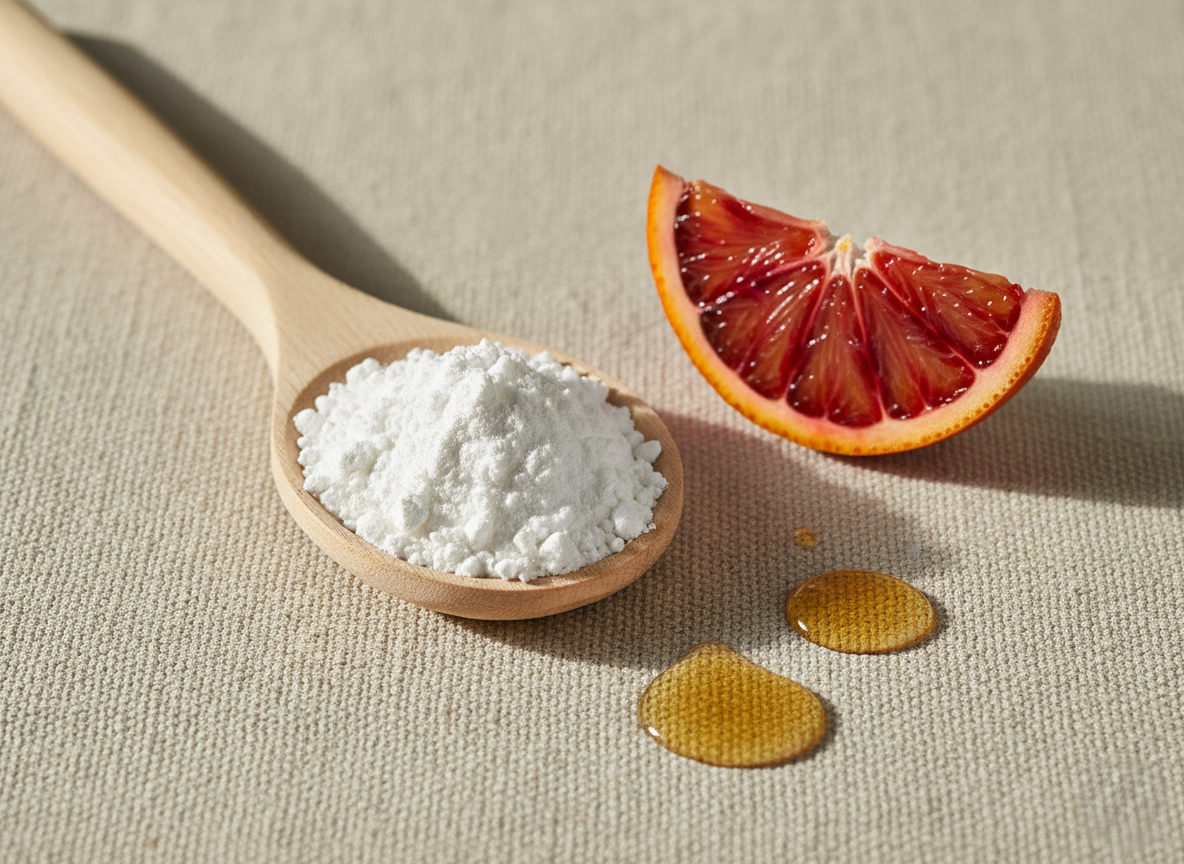
While we cannot force our biology to sprint without risking imbalance, we can clear the path. Supporting the skin’s natural renewal process is about removing surface obstacles and creating the ideal conditions for your skin to do what it does best.
Encouraging Natural Desquamation
As turnover slows, dead cells can cling to the surface, softening the skin’s natural glow. The goal is to assist the skin in shedding these old cells without over-polishing the delicate new ones. We recommend using a product that can gently refine the surface, such as our Kaolin Micro Exfoliant, which uses spherical minerals to help lift debris without scratching the skin. This approach works in harmony with the skin’s natural desquamation process, helping to reveal a fresher-looking complexion.
Nutritional Building Blocks
External care is best complemented by internal nourishment. The appearance of healthy skin is influenced by overall nutrition and hydration. Vitamin C plays a well-known role in maintaining skin’s firmness, while adequate protein supplies the building blocks that contribute to overall skin resilience. Perhaps most importantly, staying well-hydrated supports a smoother, more supple-looking complexion. When the body is dehydrated, skin may appear dull or less vibrant.
Topical Support
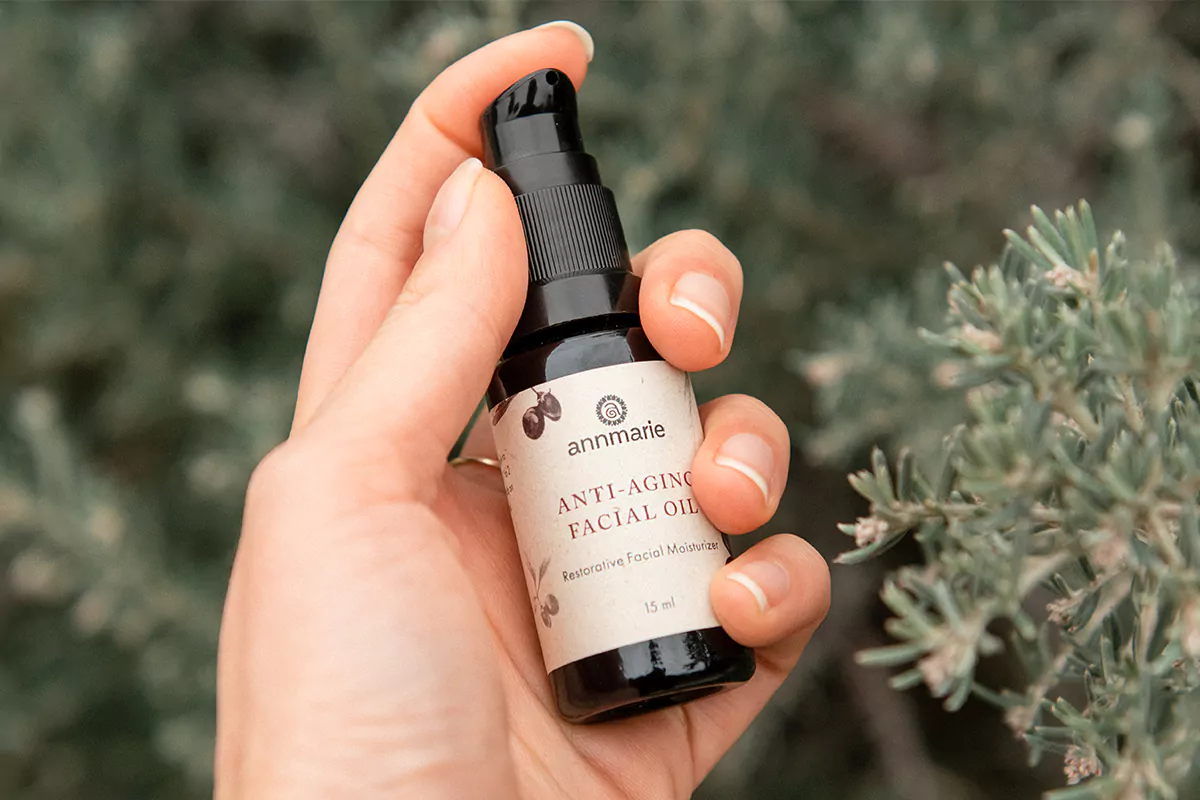
Finally, we can use thoughtfully formulated topical ingredients to care for the skin during this process. Ingredients rich in natural Vitamin A and potent antioxidants help promote a healthy-looking complexion. They nourish the epidermis and help maintain the skin’s overall balance. To provide replenishing care as your skin moves through its natural renewal cycle, we recommend incorporating lipid-rich oils like our Anti-Aging Facial Oil or the intensive Rejuvenating Facial Oil. These blends deliver essential fatty acids that help maintain softness and suppleness as the skin renews itself.
Conclusion: Honoring Your Skin’s Unique Pace
Ultimately, understanding the timeline of skin regeneration invites us to practice grace. Your skin is a living organ that reflects care, seasons, and time. Whether you are waiting for a blemish to fade or working on softening the appearance of fine lines, keep in mind how long it takes for the skin to renew itself naturally. It is a marathon, not a sprint. By aligning your routine with your body’s natural rhythm—and complementing it with thoughtful nourishment and daily protection—you are honoring the intricate process that supports healthy-looking skin. Trust the timeline, and let your skin reveal its resilience in its own perfect time.
Frequently Asked Questions
Does skin really regenerate every 7 years?
This is a common myth. While many atoms in the human body are replaced over several years, your skin cells turn over much faster. The epidermis renews itself every month or so. You are definitely not wearing the same skin you had seven years ago, but the renewal is a continuous flow rather than a sudden reboot.
Can you force your skin to regenerate faster?
While certain approaches may temporarily increase surface exfoliation, trying to push the process too aggressively often backfires. Instead, incorporating ingredients that work in harmony with your skin’s natural rhythm can help refine the look of texture over time. For example, our Activated Night Serum features our Bioactive A Complex, an algae-derived retinol alternative that supports a smoother, more radiant-looking complexion without the harshness often associated with traditional retinoids.
How long does it take for skin to recover after a sunburn?
If the outermost layer of skin is overexposed to the sun, peeling may occur as those surface cells naturally shed. This usually begins about 3 days after exposure and subsides once the affected layer has flaked away, typically within a week. However, skin may continue to feel dry or sensitive for some time, which is why gentle care and hydration are important even after visible redness fades.
Why does my skin take longer to bounce back now that I’m older?
As we age, the skin’s natural renewal rhythm gradually slows. This means visible concerns—like dry patches or the appearance of blemishes—may linger longer than they once did. The process simply takes more time than it did in our 20s. With consistent, gentle care and patience, skin can still look vibrant and resilient at every stage.




Leave a Reply