


Table of Contents[Hide][Show]
Key Takeaways:
- Cabin humidity is notably low, acting like a dry sponge that can pull essential moisture directly from your skin.
- The key to in-flight hydration is sealing your water-based mists with a nourishing facial oil to create an invisible, breathable shield.
- Effective preparation begins from within by supporting your body’s hydration levels at least 24 hours before you board the plane.
- Your post-flight routine is equally critical to clear away travel buildup and gently reset your skin’s natural rhythm.
We all know the specific mix of excitement and exhaustion that defines travel, but nothing dims that “vacation mode” feeling quite like catching a glimpse of a dull, tired-looking complexion in the hotel mirror after landing. Rather than viewing your next flight as a taxing event for your face, we invite you to reframe the experience by understanding the unique environment of air travel. By adopting a mindful, protective airplane skin care protocol, you can step off the plane looking as refreshed as you feel inspired, ready to embrace your destination with confidence.
Understanding the Shift: Why Flying Impacts Your Skin
To truly support your skin, it helps to first understand what it’s experiencing. The cabin environment is very different from the air we breathe on the ground, creating conditions that can challenge your skin’s natural protective barrier.
The In-Flight Moisture Drop
One of the most noticeable changes during air travel is the dramatic drop in humidity. While our skin thrives in balanced moisture levels, airplane cabins are exceptionally dry. When the surrounding air lacks humidity, it naturally pulls moisture from wherever it can—including the hydration stored within your skin.
Over time, this can leave skin feeling tight, dull, or dehydrated. That’s why it helps to spend a moment understanding the mechanics of dry skin so you can layer supportive products that help slow moisture loss and keep skin feeling comfortable and replenished throughout your flight.
The Slowdown of Natural Flow
Beyond dryness, your skin faces unseen shifts. Sitting still for hours at cruising altitude gently slows down your body’s natural flow. Your skin, which relies on this continuous internal circulation to look vibrant and rosy, loses this rhythmic movement, often resulting in a lackluster appearance upon landing. Furthermore, sitting near a window exposes you to intense environmental light that can contribute to the appearance of premature aging over time.
Now that we understand the environmental challenges, we can shift our focus to preparation. A resilient complexion is built on the ground, long before the wheels leave the tarmac.
Pre-Flight Prep: The Groundwork for Resilience
Think of your pre-flight routine as setting your skin up for success. When your skin begins the journey well-nourished and balanced, it’s far better equipped to handle the drying conditions of the flight.
Hydrate from Within
Topical products are essential, but they cannot do all the heavy lifting. We recommend significantly increasing your water intake 24 hours before your flight. Many travelers make the mistake of drinking extra water only once they are airborne; however, preparing ahead of time allows your cells to act as a deep reservoir, beautifully buffering the shifts that come with air travel.
The Clean Slate Rule
We always recommend boarding with a clean, makeup-free face whenever possible. Heavy foundations and powders can trap stale cabin air and natural oils against the skin, creating an uncomfortable, heavy film. Instead, gently wash your face with a creamy, non-stripping cleanser right before you head to the airport or in the lounge to ensure your protective layer is clean and ready to receive nourishment.
With a clean slate and a hydrated system, you are ready to board. Once you find your seat, shift your mindset from “traveler” to “spa guest” and initiate this protective protocol.
Your 7-Step Airplane Skin Care Routine
This routine is designed not just to add moisture, but to lovingly lock it in. Adopting this airplane skin care routine turns a bustling environment into an opportunity for deep self-care.
Tip 1: Sanitize Mindfully
Before your hands touch your face, they must be clean. Use your preferred hand sanitizer to ensure safety, but follow it immediately with a nourishing hand lotion. This respects hygiene while preventing your hands—which will be applying your skin care—from becoming dry and uncomfortable.
Tip 2: Mist the Right Way
A common mistake is spraying a facial mist repeatedly without a follow-up step. If you spray water on your face and let it sit in a dry cabin, it will simply evaporate, often taking more of your skin’s natural moisture out with it. Use a botanical hydrosol to dampen the skin, but be prepared to seal it in immediately.
Tip 3: Layer a Hydrating Serum
While your skin is still damp from the mist, apply a gentle, aqueous-based serum. Look for ingredients like aloe vera that act like a magnet to attract moisture. In the cabin, this creates a supportive layer of hydration on the surface of your face.
Tip 4: Seal with a Protective Shield (Crucial Step)
This step is one of your most important. Applying a facial oil helps create a supportive seal over your water-based layers, helping to slow moisture loss. High-quality botanical oils closely mirror the lipids naturally found in your skin, allowing them to nourish and protect while keeping skin feeling soft and balanced.
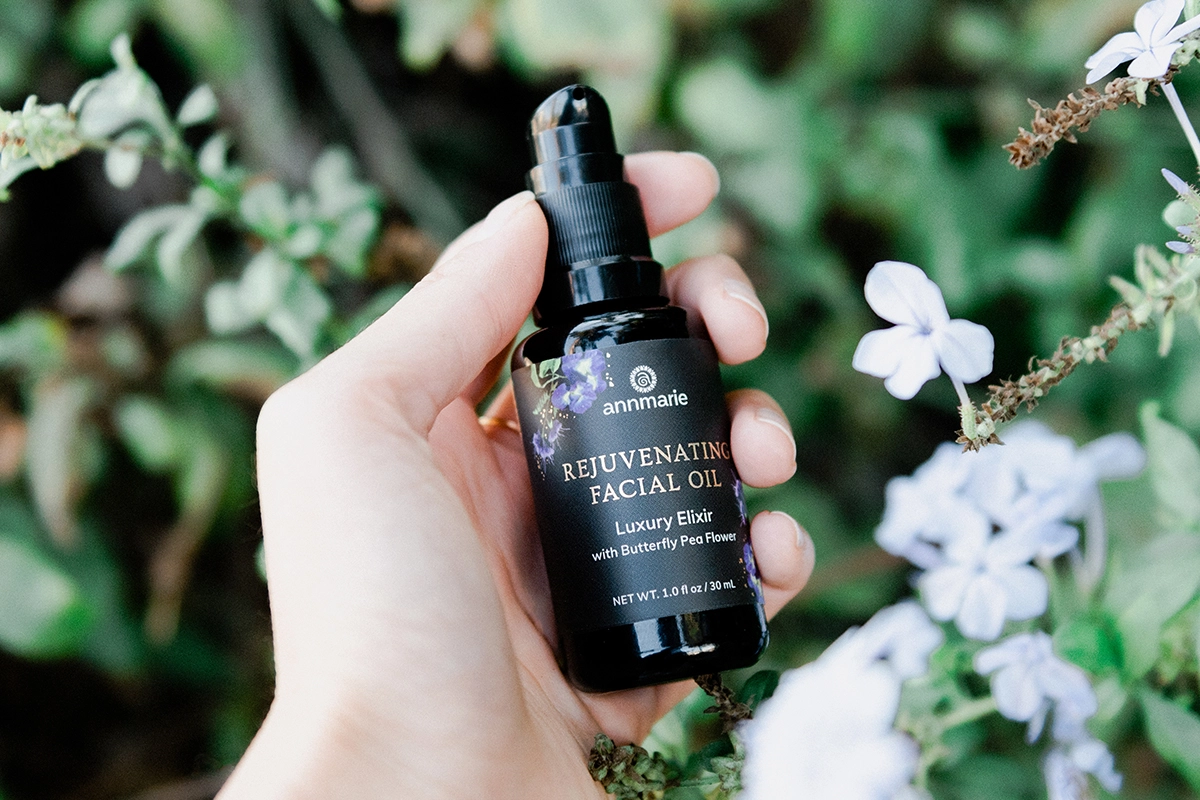
They do not just sit on the surface; they weave into it, creating an invisible, breathable shield that physically helps prevent the hydration below from evaporating into the thirsty cabin air. We consider an ultra-nourishing blend like the Rejuvenating Facial Oil to be an absolute travel essential. Applying a generous layer provides a beautiful, lasting defense for your journey.
Tip 5: Soothe the Eyes
Sitting for long periods can occasionally leave the delicate area around the eyes looking puffy or tired due to the slowdown of natural flow. To help ease this appearance, tap a nourishing eye cream around the area. Using gentle tapping motions with your ring finger moving from the inner corner outward can encourage a refreshed, awake look.
Tip 6: Embrace Sun Protection
You are physically closer to the sun at 30,000 feet, meaning light exposure is stronger. If you are sitting in a window seat, applying a mineral-based sunscreen is highly recommended. This layer helps protect against environmental stressors that can lead to visible changes in the skin’s appearance.
Tip 7: Protect the Lips
Your lips lack natural oil glands, making them the first part of your face to feel the effects of dry air. A dry lip barrier is uncomfortable. Proactively apply a thick, comforting layer of beeswax or a plant-based lip balm to help maintain softness throughout the flight.
While these seven steps provide a universal framework, your skin is unique. Tailoring your approach based on your specific needs and the duration of your trip ensures the best results.
Customizing Your Approach: Airplane Skin Care Tips by Type
Listening to your skin’s unique language is key. A rich routine might be perfect for one person and too much for another. Here are some tailored airplane skin care tips to help you adjust.
Oily vs. Dry Skin Modifications
If you have oily skin, you might fear that layering oils will feel too heavy. However, dry air can trigger your skin to overproduce oil to compensate, creating a feeling of congestion. Stick to lightweight botanical oils designed for your skin type that nourish without feeling heavy on your pores. For dry or mature skin, do not be shy with your layers. You benefit most from a richer application of facial oil or a facial cream to provide a comforting, long-lasting seal.
Short-Haul vs. Long-Haul Strategy
For short-haul flights (under 4 hours), a full routine mid-air may not be necessary. Focus on a thorough application of moisturizer and SPF before boarding. For long-haul flights (over 4 hours), we recommend performing the routine upon boarding. Then, use a “mid-flight reset” about 2 hours before landing: clean your hands, re-mist, and re-apply your facial oil to refresh your glow.
You have landed, collected your bags, and arrived at your destination. There is one final phase to ensure your skin transitions smoothly back to ground level.
The Post-Landing Reset
Your skin has just endured a long stretch of recycled air and shifts in environment. It is carrying a film of travel buildup, old sunscreen, and natural oils that gently need to be cleared away.
Deep Cleanse
As soon as you check into your accommodation, wash your face. This step is incredibly important. You need to remove the travel buildup to help keep the surface clear and breathing comfortably. A thorough cleanse with your pH-balanced cleanser resets your canvas beautifully.
Gentle Nourishment
Travel often leaves behind a dull appearance on the surface. Follow your cleanse with a gentle touch—perhaps a very mild exfoliant or simply a warm washcloth—to sweep this away. Finish with a restorative mask, a dab of your eye serum, or your favorite rich moisturizer to help the skin recover its natural glow and bounce, signaling to your body that you have arrived and are ready to rest.
Conclusion: Arrive Radiant
Travel should be about exploring the world, not solely worrying about your complexion. By understanding the “why” behind airplane dryness and implementing a mindful, protective ritual, you can keep your skin looking and feeling its best. Remember that consistency and supportive care are your best travel companions. Pack your travel kit with intention, embrace skin care made with organic ingredients, and turn your flight time into a beautiful moment of nourishment, stepping off the plane looking as radiant as the journey ahead.
Frequently Asked Questions
Should I do my skin care routine on the plane or before?
Ideally, you should do a thorough prep routine (a gentle cleanse and rich moisturization) before boarding. However, for flights longer than 3–4 hours, reinforcing your protective layers with a hydrating mist and facial oil while in the air is highly recommended to help maintain your glow.
What should you not put on your face on a plane?
Avoid drying clay masks, which will harden and can draw moisture away from your skin in the dry cabin air. Also, avoid heavy toxic, synthetic fragrances that might irritate you or your neighbors, and try not to wash your face with the water from the airplane lavatory tap, as it can be harsh on delicate skin.
Do sheet masks really work on airplanes?
Sheet masks are popular because they are convenient to carry and apply, as well as feel incredibly hydrating. However, in low humidity, the material can dry out very quickly. If left on too long, it can actually start to draw moisture away from your skin. If you use one, remove it while it is still very damp and immediately seal your skin with an oil. We generally prefer the simplicity and effectiveness of applying a serum followed by a high-quality facial oil.
How do I stop my face from looking puffy after a plane ride?
Sitting for long periods can slow down your body’s natural flow. Support yourself by drinking plenty of water, enjoying nourishing foods rather than overly salty airport snacks, and walking up and down the aisle when safe to do so. A simple, gentle facial massage or softly tapping around the eyes can also encourage a more rested, awake appearance.








Leave a Reply