


Table of Contents[Hide][Show]
Key Takeaways
- Ceramides act as the essential “mortar” between skin cells, comprising roughly 50% of the skin’s outer layer to ensure structural integrity.
- Replenishing these vital lipids helps prevent transepidermal water loss, locking in hydration for a smoother and more resilient complexion.
- Plant-derived phytoceramides work synergistically with fatty acids to mimic the skin’s natural structure, offering a bio-compatible path to barrier repair.
- Consistent use of ceramide-rich products soothes sensitivity and minimizes the appearance of fine lines by restoring the skin’s protective shield.
It is a common frustration: you layer on oils and creams, yet your skin remains thirsty, tight, and reactive. The missing piece of the puzzle isn’t usually more moisture, but a better way to keep it in. Enter ceramides—the unsung heroes of skin health. Far from just a trend, they are the biological “mortar” that holds your skin cells together. Understanding what ceramides do for the skin is the key to shifting your routine from temporary relief to lasting restoration.
What Do Ceramides Do for the Skin? The Biological Role
To truly appreciate the power of ceramides, we must look beyond the surface and understand how our skin is constructed. It is not merely a covering; it is a complex, defensive shield designed to protect us. While we often focus on the cells we can see, the real magic happens in the spaces between them.
The “Bricks and Mortar” Analogy Explained
Imagine a sturdy brick wall. The bricks represent your skin cells (corneocytes), which provide the physical structure. However, a stack of bricks without anything to hold them together is unstable and permeable. This is where the “mortar” comes in. In your skin, ceramides—along with cholesterol and fatty acids—act as this mortar within the stratum corneum (the outermost layer of the epidermis). They bind the cells together, creating a cohesive, water-tight seal. Without this lipid “mortar,” the wall creates gaps, causing the skin barrier to crumble and leaving your complexion vulnerable to environmental stressors.
Why Ceramide Levels Decline Naturally
Unfortunately, our natural supply of this essential mortar is not infinite. As part of the natural aging process, our skin’s ability to produce lipids slows down, often resulting in drier, more fragile skin as we mature. Furthermore, external aggressors can strip these lipids away prematurely. Things like harsh weather, too much sun exposure, and over-exfoliating with strong products can wear down your skin’s ceramides, weakening the barrier and making replenishment especially important.
Top Benefits of Ceramides for Skin Health
Think of ceramides as the glue that holds your skin together—and suddenly their importance makes a lot more sense. It is not just about adding moisture; it is about rebuilding the foundation of your complexion. By supporting the barrier, we unlock a cascade of benefits that improve both how the skin feels and how it looks.

Restoring and Strengthening the Skin Barrier
The primary function of topical ceramides is to help replenish the lipid layer that may have been depleted, making ceramides for skin barrier repair an essential strategy. When you apply ceramide-rich formulations, you are essentially filling in the cracks in the mortar. A strong barrier is your best defense against pollutants and irritants. If your skin often feels rough to the touch or appears red and agitated, it is usually a sign of a weakened barrier. Ceramides help restore a calm, uniform texture by sealing those gaps and keeping distinct irritants out.
Preventing Transepidermal Water Loss (TEWL)
Hydration is two-fold: adding water and keeping it there. Transepidermal Water Loss (TEWL) is the process where water evaporates from the skin into the air, which can happen even if you drink plenty of water. Ceramides function to “lock in” moisture, preventing this evaporation and keeping the skin hydrated for longer periods. While humectants draw water in, they cannot hold it there if the barrier is compromised. You can learn more about ingredients that deeply hydrate and seal moisture in our guide on rice bran oil for skin, which explores how nature supports specific hydration needs.
Supporting a Youthful, Plump Appearance
There is a direct link between barrier health and the visual signs of aging. Well-moisturized “bricks” held together by strong “mortar” create a surface that looks plumper and smoother. When the skin is dehydrated due to a lack of lipids, fine lines become more exaggerated and the skin can appear dull. By maintaining optimal lipid levels with ceramides, you support the skin’s natural elasticity, softening the appearance of fine lines and revealing a more radiant, youthful glow.
Phytoceramides vs. Synthetic: The Natural Approach
In the world of skin care, not all ingredients are created equal. While the function of ceramides is universal, the source matters. At Annmarie, we believe in the intelligence of nature and the power of ingredients that the skin can easily recognize and utilize.
Understanding Plant-Derived Ceramides (Phytoceramides)
While many conventional products use synthetic, lab-created ceramides, we turn to the plant kingdom. Phytoceramides are naturally derived lipids extracted from plants such as wheat and rice.. These botanical extracts are structurally similar to the ceramides found in human skin. This bio-compatibility means they are readily accepted by the skin, offering a gentle yet effective way to reinforce the barrier without the use of harsh synthetics or petroleum-based additives.
The Importance of Ingredient Synergy
Ceramides rarely work alone in nature, and they shouldn’t in your skin care either. Biological studies suggest that the skin barrier is best repaired by a specific ratio of ceramides, cholesterol, and fatty acids. This is why using whole plant oils is so effective—they naturally contain a complex profile of these nutrients. Botanical oils act as perfect partners for barrier support, providing that essential synergy. You can discover a natural source of essential fatty acids in our article on rosehip seed oil, which highlights how these components work together for restoration.
How to Incorporate Ceramides into Your Ritual
Knowledge is most powerful when effortlessly woven into your daily life. Incorporating ceramides into your skin care ritual doesn’t require a complete overhaul of your shelf, but rather a mindful selection of products that prioritize barrier integrity. Here is how to embrace these restorative ingredients.
Selecting the Right Formulation
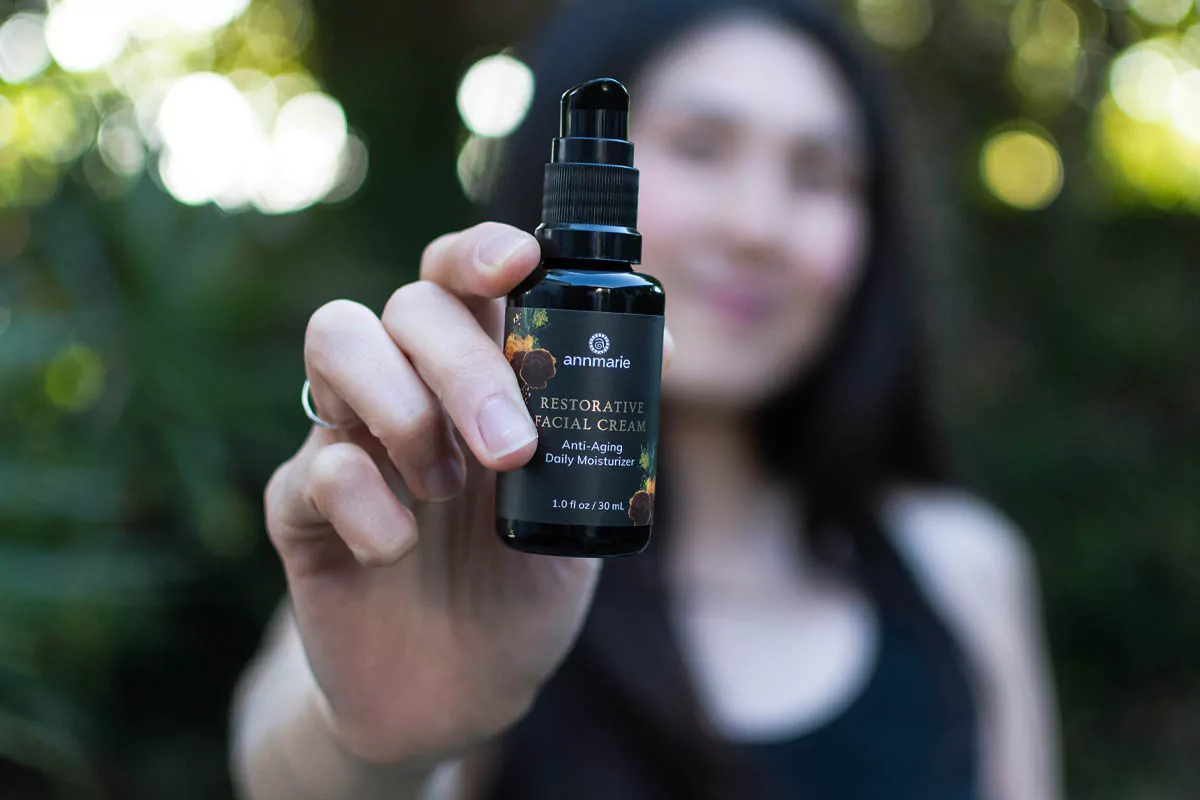
When seeking to repair or maintain your barrier, look for moisturizers, serums, or facial oils that explicitly mention barrier repair or lipid replenishment. Those with dry, sensitive, or mature skin will benefit most from richer creams that contain these deep-nourishing ingredients. Our Restorative Facial & Neck Cream is formulated to deeply nourish and support the skin’s natural barrier function, making it an ideal choice for those seeking to replenish lost lipids.
Layering for Optimal Results
To maximize the benefits of ceramides, the order of application matters. Think of your routine as building that brick wall:
- Cleanse: Start with a gentle cleanser that removes impurities without stripping your existing ceramides.
- Hydrate: Apply your mists and water-based serums to introduce hydration to the cells.
- Seal: This is the critical moment for ceramides. Finish your routine with a pure Anti-Aging Facial Oil or a rich cream to lock in that hydration and provide the essential lipids your barrier craves.
Consistency is Key
Finally, remember that barrier repair is a journey, not an overnight fix. It takes time for the “mortar” to rebuild and for the wall to become sturdy again. Approach this process with patience and grace. Treat your skin care routine not as a chore, but as a moment of self-care while your skin heals. For a deeper dive into our specific approach to moisturizing and selecting the right ingredients for this journey, read about our Restorative Facial & Neck Cream.
Conclusion
Ceramides are far more than a buzzword; they are the protective “mortar” that keeps your skin functioning as a healthy, unified whole. When you ask “what do ceramides do for the skin?”, the answer is clearly found in their ability to protect and restore. By replenishing these vital lipids, you are doing more than just moisturizing—you are restoring the structural integrity and resilience of your skin against time and the elements. We invite you to embrace these barrier-supportive ingredients, knowing that a strong foundation is the secret to a radiant, confident complexion.
Frequently Asked Questions
Can I use ceramides with Vitamin C or Retinol Alternative?
Yes, absolutely. Ceramides are non-reactive and essentially mimic your skin’s natural structure. In fact, they are excellent to pair with active ingredients like Vitamin C or Retinol because they help soothe the skin and mitigate the dryness or irritation that stronger actives can sometimes cause.
Are ceramides good for oily or acne-prone skin?
Yes, even oily skin relies on a healthy barrier. When the barrier is damaged, the skin often overcompensates by producing more oil. Using lightweight ceramide formulations can help regulate oil production by keeping the skin balanced and hydrated without clogging pores.
How long does it take to see results from ceramides?
While you may feel immediate relief from tightness and dryness upon the first application, true barrier restoration takes time. Typically, you can expect to see significant visual improvements in texture and resilience after 2 to 4 weeks of consistent use.
What defines a “compromised barrier”?
Your barrier may be compromised if your skin feels perpetually tight, looks red or inflamed, has rough or flaky patches, or stings when you apply products that are usually gentle. These are signs that the “mortar” is missing, and the skin requires lipid replenishment.





Leave a Reply