

Table of Contents[Hide][Show]
- 1. Annmarie Skin Care Anti-Aging Eye Cream
- 2. SkinCeuticals A.G.E. Advanced Eye Complex
- 3. La Mer The Eye Concentrate
- 4. Tata Harper Restorative Eye Crème
- 5. Drunk Elephant C-Tango Multivitamin Eye Cream
- 6. RoC Retinol Correxion Line Smoothing Eye Cream
- 7. Biossance Squalane + Marine Algae Eye Cream
- 8. Estée Lauder Advanced Night Repair Eye Supercharged Gel-Creme
- 9. Kiehl’s Creamy Eye Treatment with Avocado
- 10. Neutrogena Hydro Boost Eye Gel-Cream
- What to Look For: A Bioompatible Shopping Guide
Standing at the beauty counter—or scrolling through recommendations online—can feel surprisingly high-stakes when it comes to eye care. With formulas priced anywhere from $20 to well over $250, it’s natural to wonder what you’re really paying for: visible results, a trusted name, or simply the promise of something better.
When people search for the best anti-wrinkle eye cream, they’re often looking for clarity in a crowded marketplace—one filled with bold claims, polished packaging, and products labeled top rated across every age and skin type. Yet despite the abundance of options for your 30s, 40s, 50s, sensitive skin, or concerns like the appearance of wrinkles and dark circles, few formulas are examined through the lens of how comfortably they work with the delicate eye area over time.
To bring more clarity to that decision, we took a closer look at today’s most commonly recommended eye creams—focusing less on instant surface effects and more on how each formula is built, what it relies on to create visible smoothing, and why certain approaches may feel easier to live with long-term when ingredient integrity and skin comfort matter.
1. Annmarie Skin Care Anti-Aging Eye Cream
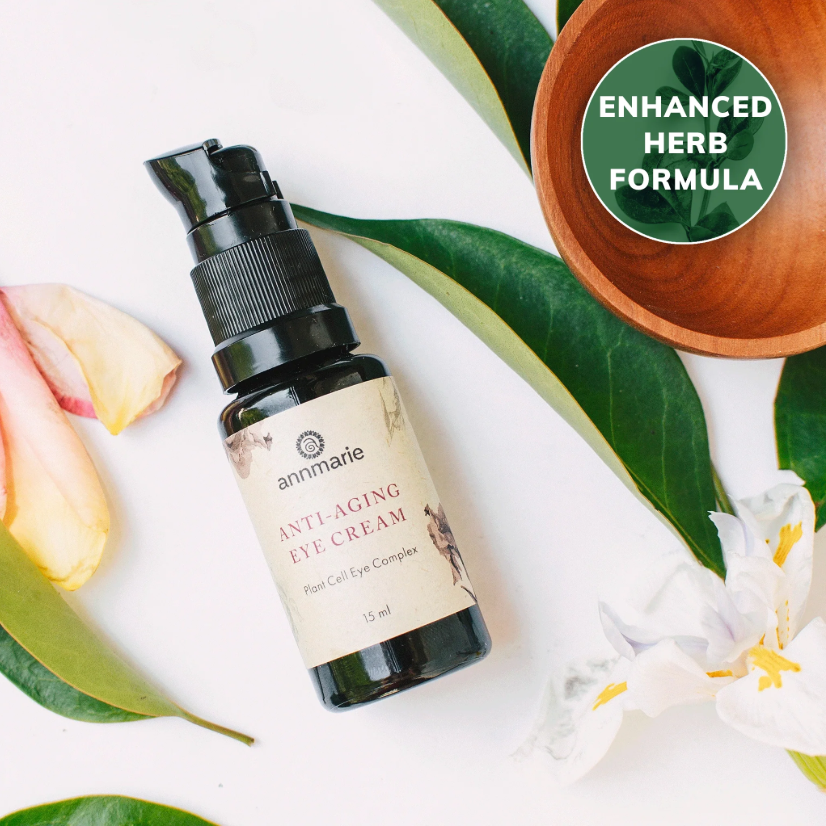
Best Overall & Master of Biocompatibility
Price: $72.00 (15ml)
Formulation Profile:
This MADE SAFE® certified eye cream is built on a fundamentally different formulation architecture than most conventional options. Rather than a water-forward base stabilized with synthetic thickeners, it begins with herb-infused aloe vera—including botanicals like gotu kola and eyebright—paired with a mango seed butter–rich lipid base. These herbs are not simply added as extracts alone at the end of a formula, but infused over time, allowing their beneficial compounds to integrate into the base itself. This structure more closely mirrors the skin’s natural affinity for lipids and aqueous botanicals, particularly in the delicate eye area.
How It Works:
Instead of relying on synthetic fillers or surface-coating agents, this formula uses active plant cells from damask rose and sweet iris, along with CoQ10, to support visible firmness and smoothness. These biocompatible ingredients are readily recognized by the skin and work within its natural renewal rhythms rather than masking texture with temporary films. Over time, this approach helps soften the appearance of crow’s feet and fine lines while supporting overall skin comfort and resilience—favoring cumulative nourishment and long-term vitality over instant cosmetic effects.
Application Tip: Apply gently after your serum and before your moisturizer in your evening routine, using light tapping motions around the orbital bone. For an added sensory benefit, store your bottle in the refrigerator—cool application combined with this formula’s cucumber extract can temporarily refresh the look of puffiness, offering a spa-like sense of calm.
Shop Now: Anti-Aging Eye Cream
2. SkinCeuticals A.G.E. Advanced Eye Complex
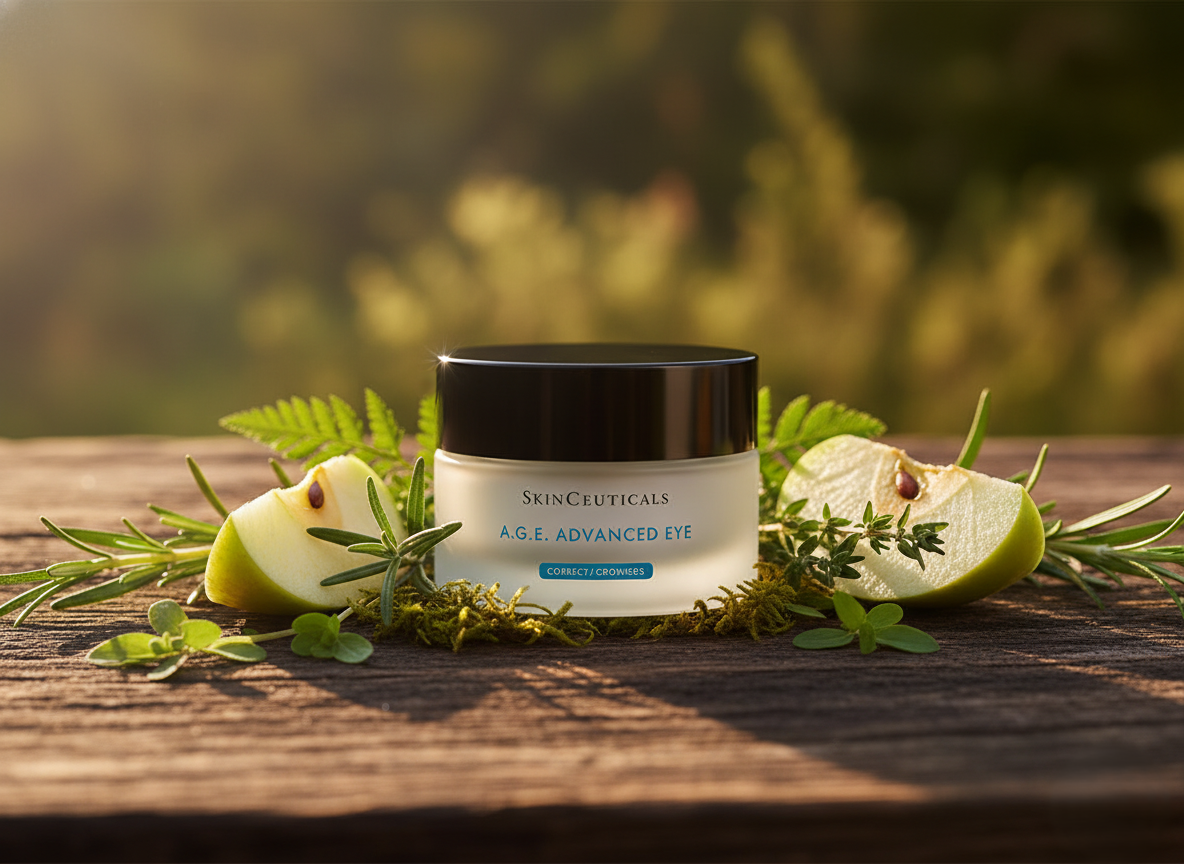
Best for Glycation Concerns
Est. Price: ~$105 USD
Formulation Profile:
This eye cream is frequently referenced for its clearly disclosed active concentrations, including 7.15% Proxylane™, 4.25% Wild Fruit Flavonoids, and 3% synthetic peptides. This degree of specificity helps explain its strong following among clinically oriented skin care users who prioritize measurable, lab-defined actives. The formula is built on a silicone-forward base, with dimethicone and synthetic polymers playing a central role in texture, spreadability, and finish. Additional synthetic emollients and stabilizers are used to maintain consistency and shelf stability at these active levels.
How It Works:
Much of this formula’s smoothing effect comes from dimethicone, a silicone that forms an occlusive film on the skin’s surface to temporarily soften the appearance of fine lines. While effective visually, this type of barrier does not integrate with the skin’s natural lipid system and may interfere with how the skin regulates moisture and surface turnover over time. With repeated use, some skin types may experience a heavier feel, congestion, or increased reliance on the product for smoothness—particularly when impurities become trapped beneath the surface. In addition, the formula relies almost entirely on lab-derived actives and synthetic stabilizers rather than whole-plant or lipid-based components, which may be a consideration for those seeking long-term comfort, balance, and ingredient alignment in the delicate eye area.
3. La Mer The Eye Concentrate
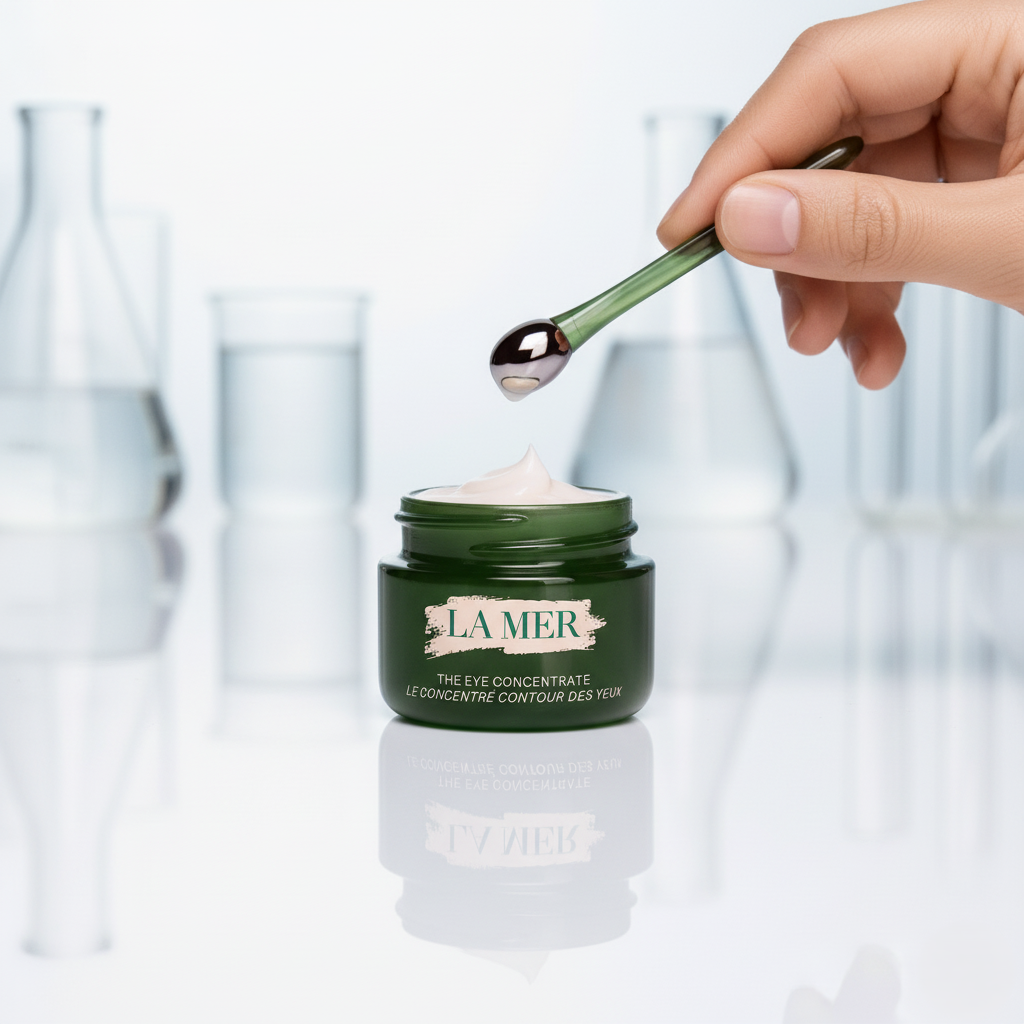
Most Luxurious Texture
Est. Price: ~$245 USD
Formulation Profile:
This eye cream is widely recognized for its rich, cushiony texture and has become a longstanding fixture in the luxury skin care category. Central to its identity is the brand’s fermented kelp complex, often highlighted as a signature component. The formula is designed to feel deeply protective on application, making it especially appealing for very dry skin types or use in colder, low-humidity environments.
Beneath that sensorial experience, the base of the formula relies heavily on petrolatum and mineral oil, which are responsible for much of its density, slip, and staying power on the skin.
How It Works:
The rich, enveloping feel of this cream comes primarily from petrolatum and mineral oil, petroleum-derived occlusives that form a dense seal on the skin’s surface. This seal is highly effective at preventing moisture loss, which is why the eye area can appear smoother and more cushioned shortly after application.
While the fermented kelp complex is positioned as the hero ingredient, it plays a supporting role within the formula. The heavy lifting—texture, weight, and visible smoothing—comes from the occlusive base itself. From a biocompatibility standpoint, these petroleum-derived ingredients protect by isolating the skin, rather than interacting with it. They do not absorb or adapt, and over time can limit the skin’s natural ability to self-regulate moisture, heat, and oil—particularly in thin areas like the eye contour.
By contrast, plant-based oils are composed of smaller, biologically familiar lipids that more closely resemble the skin’s own sebum, allowing them to soften and support flexibility without relying on a near-impermeable seal. As a result, the benefits of heavy occlusives tend to be immediate but surface-level, tied to wear rather than long-term comfort or balance.
4. Tata Harper Restorative Eye Crème
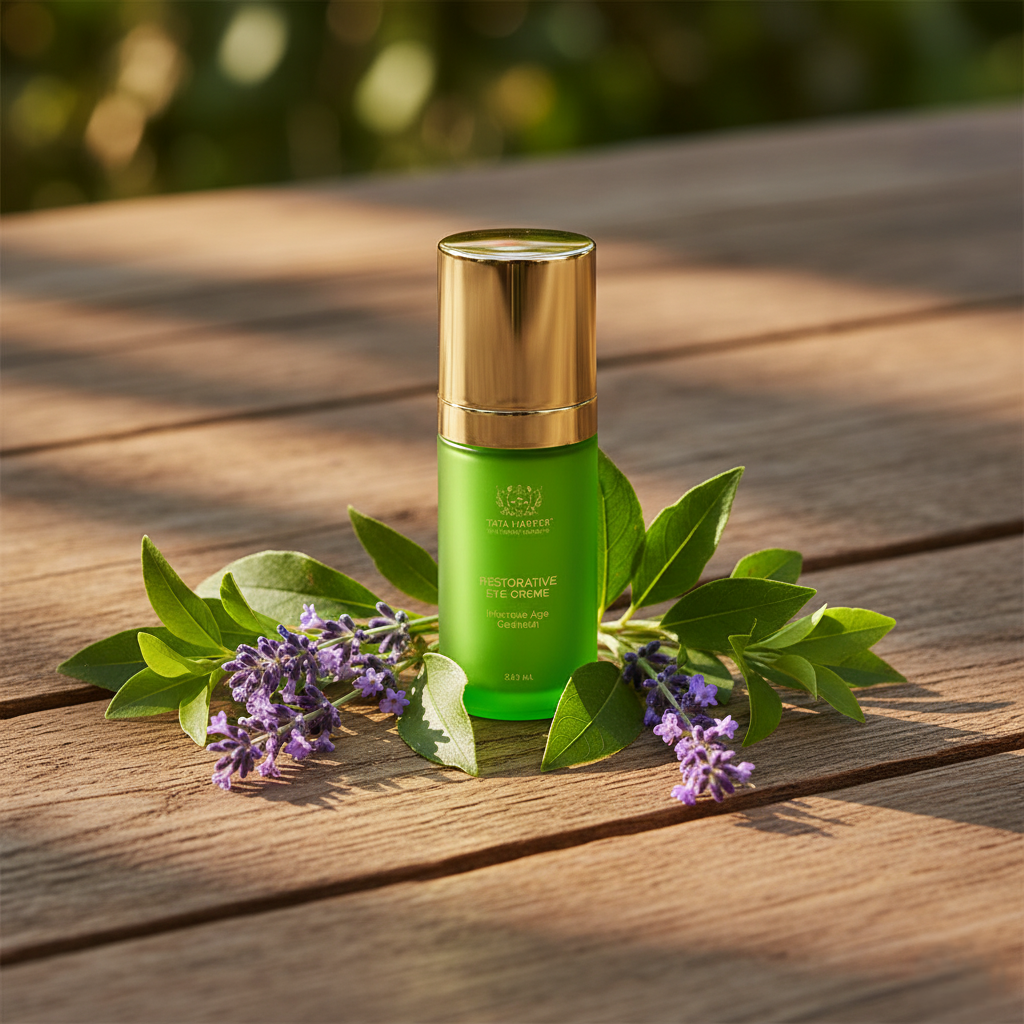
Strongest “Green” Contender
Est. Price: ~$130 USD
Formulation Profile:
This eye cream features a long list of botanical extracts, plant waters, and ferments layered into a traditional cream base. Rather than centering the formula around infused lipid systems, the botanicals are primarily added as individual extracts, supported by humectants, esters, fatty alcohols, and emulsifiers that provide structure, stability, and spreadability.
To maintain consistency across such a broad ingredient set, the formula relies on manufactured support ingredients—including propanediol and glyceryl behenate. These ingredients are commonly used in modern clean beauty formulations and function primarily to hold and deliver the formula, rather than to serve as primary skin-supportive lipids.
How It Works:
The cream delivers immediate softness and hydration, helping reduce the appearance of dryness-related fine lines through surface moisturization and emollience. Its performance is closely tied to how evenly the cream spreads and how it wears on the skin, rather than to slow-release nourishment through lipid-integrating delivery.
Compared to eye creams built around infused oils and butter-based lipid systems, this approach is less focused on barrier mimicry and long-term comfort. While botanicals are present in abundance, they function largely as supplemental extracts within a stabilized cream structure rather than as the foundation of the formula itself.
5. Drunk Elephant C-Tango Multivitamin Eye Cream
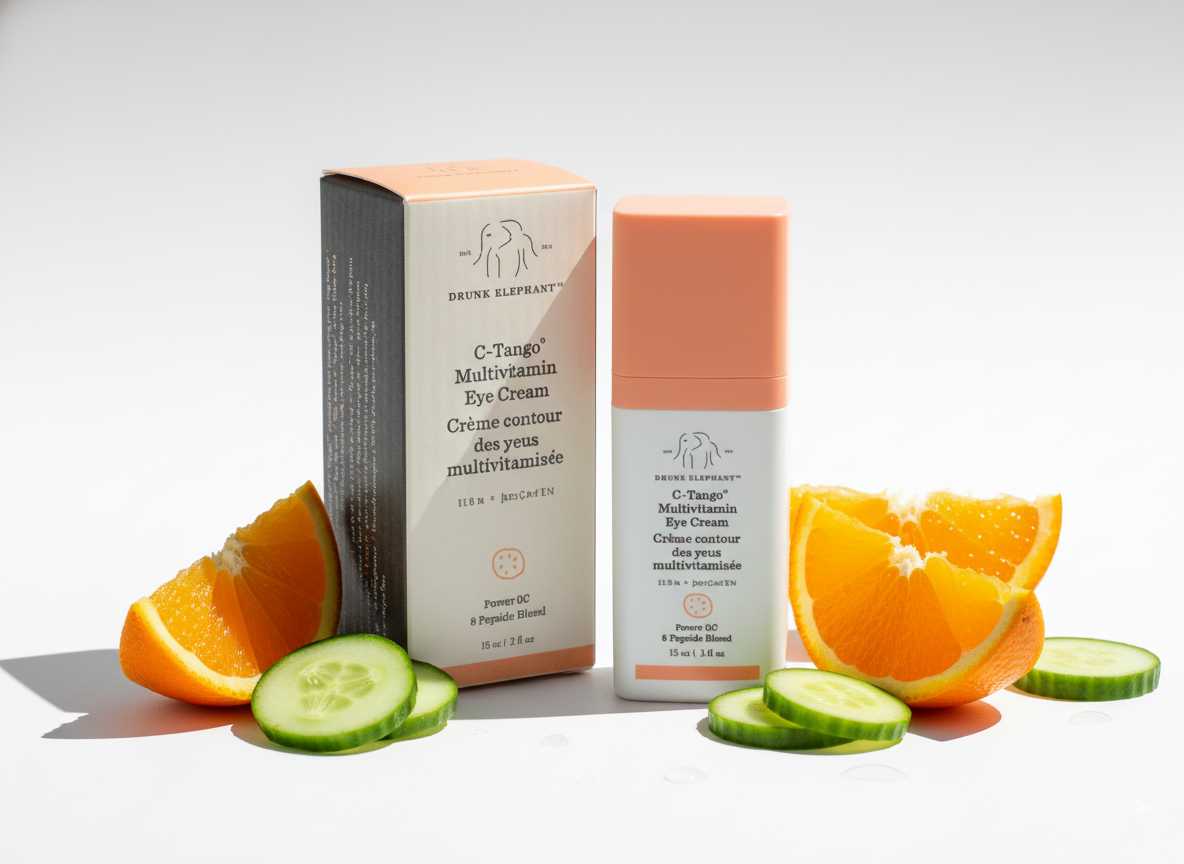
Best for Vitamin C Brightening
Est. Price: ~$68 USD
Formulation Profile:
This formula is built as a modern “lab-optimized” eye cream: multiple vitamin C derivatives (including sodium ascorbyl phosphate, magnesium ascorbyl phosphate, tetrahexyldecyl ascorbate, ascorbyl glucoside, and ascorbyl palmitate) paired with a long peptide stack and barrier-supporting components like ceramides and cholesterol. It avoids silicones and essential oils, but it relies heavily on synthetic texture polymers and a conventional preservative system—most notably phenoxyethanol, along with chlorphenesin and other preservative boosters.
How It Works:
While the use of stabilized vitamin C derivatives helps minimize oxidation and surface irritation, their performance is highly dependent on the surrounding formula. In this case, the derivatives are delivered within a heavily engineered cream system, which limits how directly they can engage with the skin. As a result, any brightening effect is largely constrained to surface-level refinement rather than deeper, skin-aligned support.
From a biocompatibility and purity standpoint, the larger consideration is that the formula relies extensively on synthetic support ingredients, polymers, and preservatives to function as intended. While these components can help stabilize actives, they do not offer the same lipid-level nourishment or adaptability as a foundation built from skin-mimicking oils and whole-plant preparations. For those prioritizing long-term comfort, ingredient integrity, and alignment with the skin’s natural processes, this represents a more engineered—and less biologically intuitive—approach to vitamin C eye care.
6. RoC Retinol Correxion Line Smoothing Eye Cream
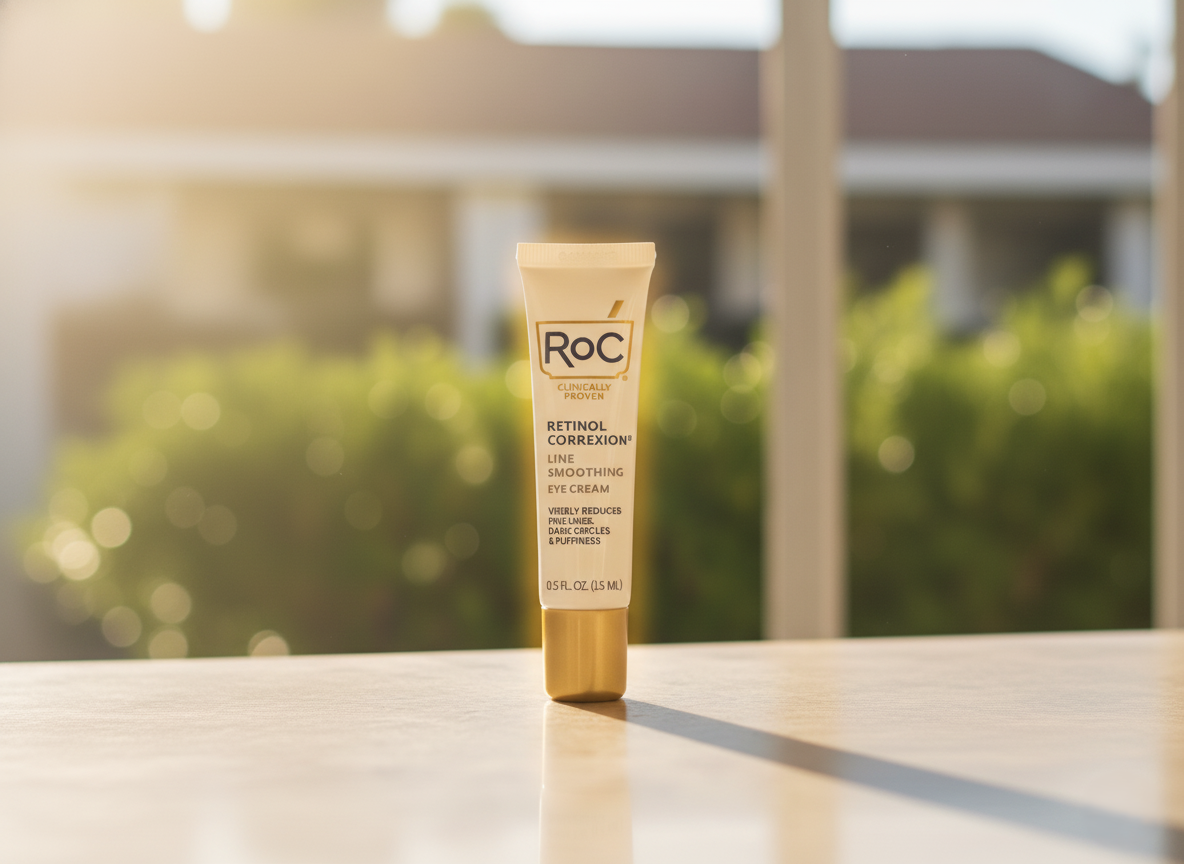
Best Budget Retinol Option
Est. Price: ~$28 USD
Formulation Profile:
This eye cream follows a traditional drugstore formulation model, built to deliver retinol at a lower price point through a conventional cream base. To achieve stability and texture, it relies on a dense network of synthetic emulsifiers, stabilizers, and preservatives—including PEGs, polysorbates, carbomer, parabens, phenoxyethanol, and BHT.
While these ingredients are permitted for cosmetic use and help keep the product affordable, they are commonly avoided by brands that prioritize ingredient restraint and long-term skin compatibility, particularly in leave-on products used near the eyes. For those seeking a budget-friendly entry into retinol specifically, this approach may be appealing—but it also invites a broader question of whether cost savings are worth the cumulative exposure and formulation tradeoffs that come with a more engineered delivery system.
How It Works:
Retinol is a highly bioactive form of vitamin A that requires conversion within the skin, a process that can place added metabolic demand on delicate areas like the eye contour. Because this pathway is associated with heightened activity, some people choose non-retinoid alternatives—such as lipid-based bioactive complexes derived from plants or algae—that support the appearance of renewal without relying on retinoid conversion. Retinoids are also widely advised against during pregnancy due to their potential systemic impact, which has led some consumers to take a more cautious view of routine, long-term use even outside of pregnancy. In this light, applying retinol near the eyes invites additional discernment, particularly when the surrounding formula offers limited barrier-supportive lipids to help buffer its intensity.
7. Biossance Squalane + Marine Algae Eye Cream
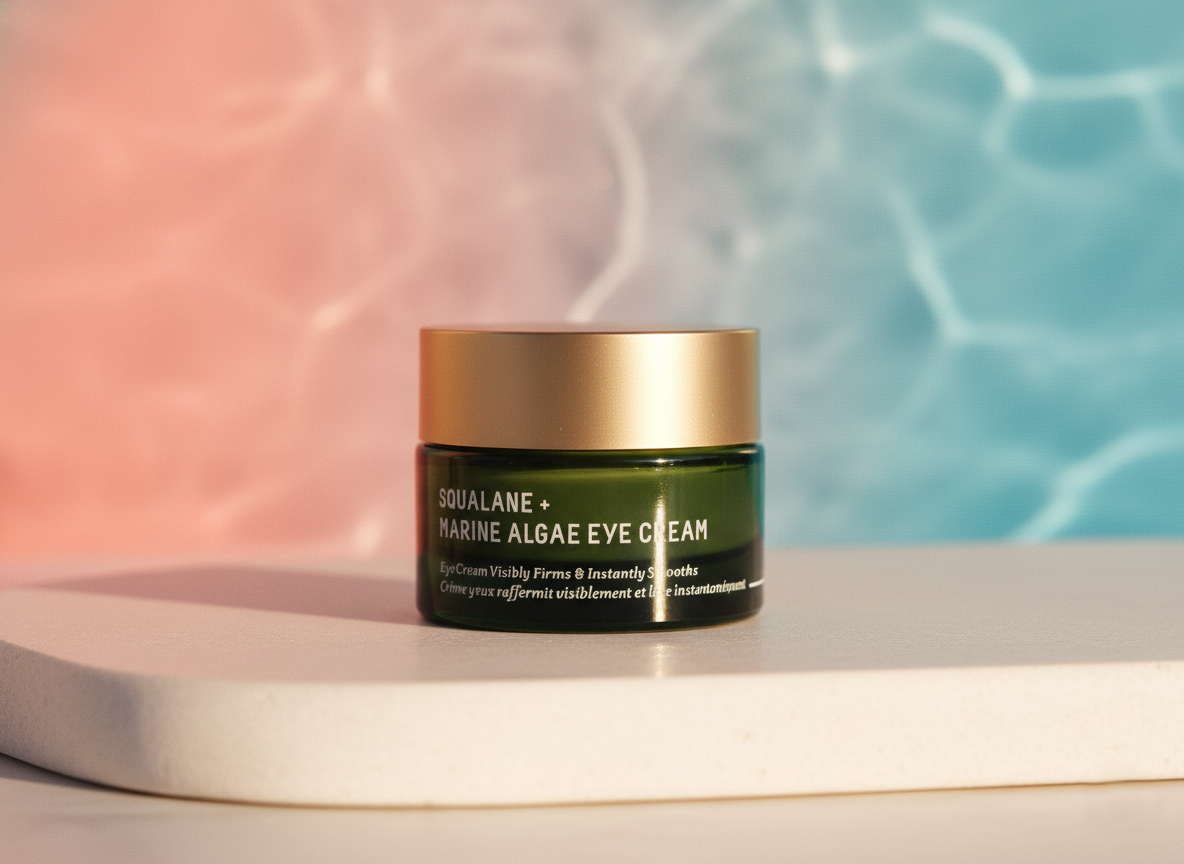
Best Lightweight Hydration
Est. Price: ~$56 USD
Market Analysis:
This eye cream centers on sugarcane-derived squalane, supported by a common cream base of refined emollients and olivate-based emulsifiers. The texture is lightweight and polished, designed to melt quickly into the skin and deliver an immediate sense of hydration. Ingredients like jojoba esters, panthenol, and sodium hyaluronate add surface comfort, while a standard preservative system using phenoxyethanol and ethylhexylglycerin ensures stability.
From a biocompatibility perspective, the formula favors refinement and consistency over whole-oil nourishment. Squalane is a stable, skin-friendly lipid, but in its isolated form it lacks the natural diversity of fatty acids and cofactors found in a synergistic blend of cold-pressed plant oils in comparison. Combined with a conventional preservative system, the result is an eye cream that feels wearable, yet offers more in the way of cosmetic hydration than long-term, skin-supportive nourishment—an important distinction for those seeking deeper botanical alignment around the delicate eye area.
How It Works:
This cream delivers immediate smoothing and plumping through humectants and lightweight emollients that hydrate the skin’s surface and soften the look of dehydration lines. Hyaluronic acid supports visible hydration, while squalane provides weightless moisture that reinforces the skin barrier without heaviness, making the formula comfortable for daily use.
The inclusion of pink marine algae and paracress extract contributes to the cream’s quick, visible firming effect, particularly upon application. From a biocompatibility standpoint, however, much of the performance is driven by surface hydration and refined lipids rather than deeply nourishing, lipid-diverse botanicals. While squalane is stable and skin-friendly, it lacks the natural complexity of cold-pressed plant oils and herb-infused preparations, resulting in a formula that excels at lightweight hydration and immediate smoothness but offers less cumulative nourishment over time for the delicate eye area.
8. Estée Lauder Advanced Night Repair Eye Supercharged Gel-Creme
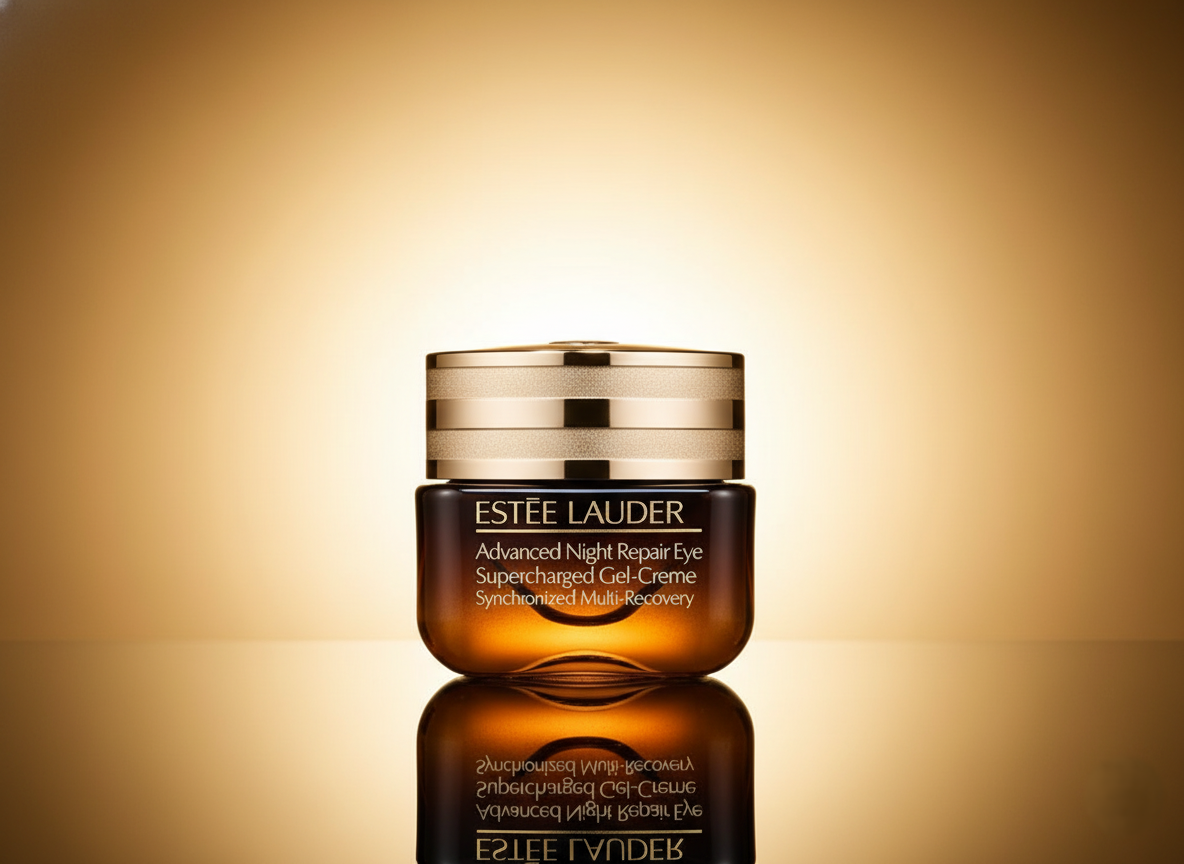
Best for Nighttime Repair Claims
Est. Price: ~$64 USD
Formulation Profile:
This eye cream is built on a lightweight gel-crème base designed for immediate smoothness and broad consumer appeal. The formula centers on Bifida Ferment Lysate, supported by water, humectants, and a network of synthetic polymers, stabilizers, and preservatives that create its signature silky texture and fast absorption. The overall architecture prioritizes feel and consistency rather than lipid richness or whole-plant infusion.
How It works:
The primary visible effects come from surface hydration and film-forming agents that smooth the look of fine lines and leave the eye area feeling soft and refreshed. While fermented ingredients are often associated with barrier support, in this formulation they function within a water-forward, polymer-stabilized system rather than integrating into the skin’s lipid matrix. From a biocompatibility and purity standpoint, much of the performance depends on continued application of these synthetic support ingredients, resulting in benefits that are largely cosmetic and short-term. For those seeking deeper nourishment and minimal synthetic exposure, this approach may feel less supportive—particularly in the delicate eye area.
9. Kiehl’s Creamy Eye Treatment with Avocado
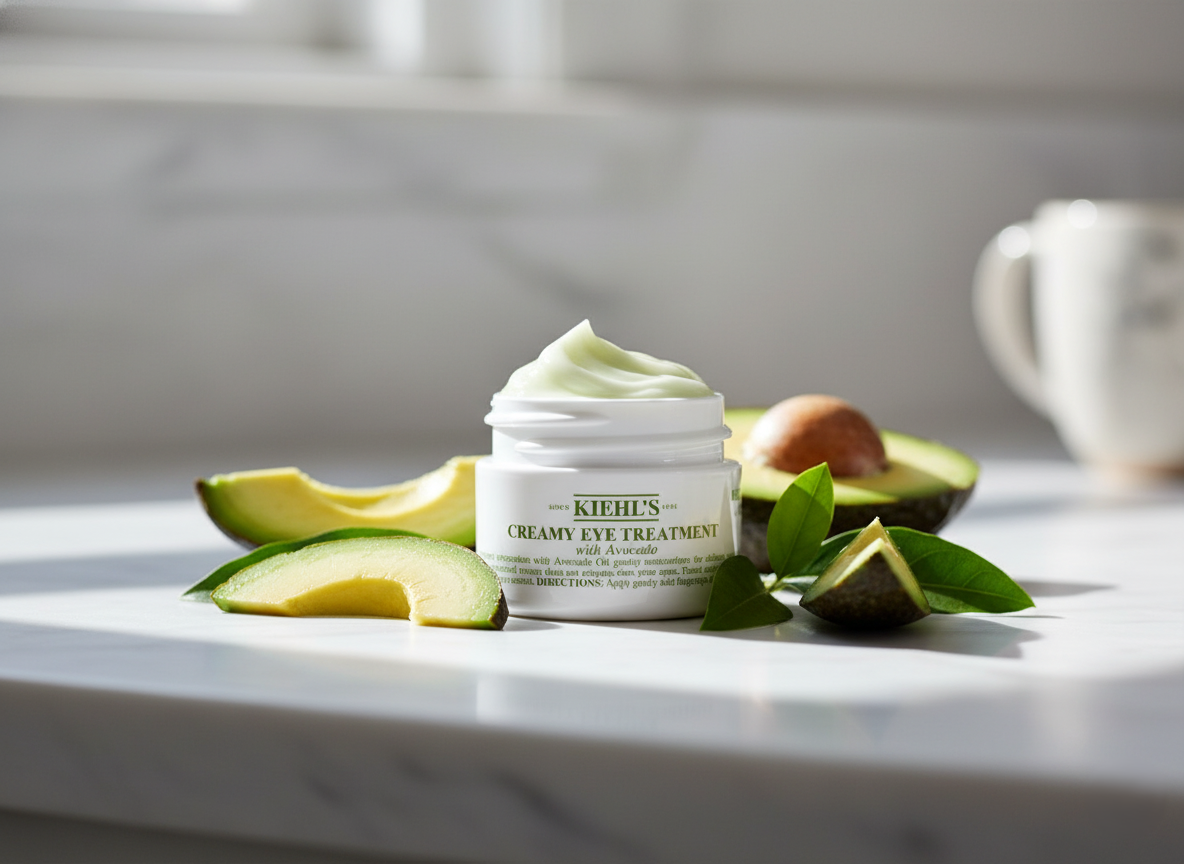
Basic Moisturization for Dry Skin
Est. Price: ~$38 USD
Formulation Profile:
This long-standing eye cream is built around a simple emollient structure, with avocado oil as its hero ingredient, supported by glycerin, shea butter, and a conventional cream base. The formula prioritizes cushioning and moisture retention over targeted actives, which contributes to its thick, balm-like texture and widespread appeal among those with dry or easily dehydrated skin.
To maintain stability and shelf life, the formula also relies on synthetic stabilizers and standard preservatives (such as phenoxyethanol), reflecting a traditional approach to formulation rather than a strictly natural or whole-plant one.
How It Works
The primary benefit of this cream comes from occlusiveness and emollience, which helps reduce the look of dryness and temporarily soften fine lines. Avocado oil provides fatty acids and naturally occurring vitamin E, offering basic barrier support and comfort.
From a biocompatibility and purity standpoint, however, the formula is limited in scope. It lacks lipid diversity, infused botanicals, or bioactive compounds that support visible firmness or long-term skin vitality. The result is a product that functions well as a moisture buffer, but offers little in the way of cumulative nourishment or adaptive support for the delicate eye area—making it better suited as a moisturizer for the eye area as its sole function rather than a primary eye beauty treatment for those seeking deeper, plant-based care.
10. Neutrogena Hydro Boost Eye Gel-Cream
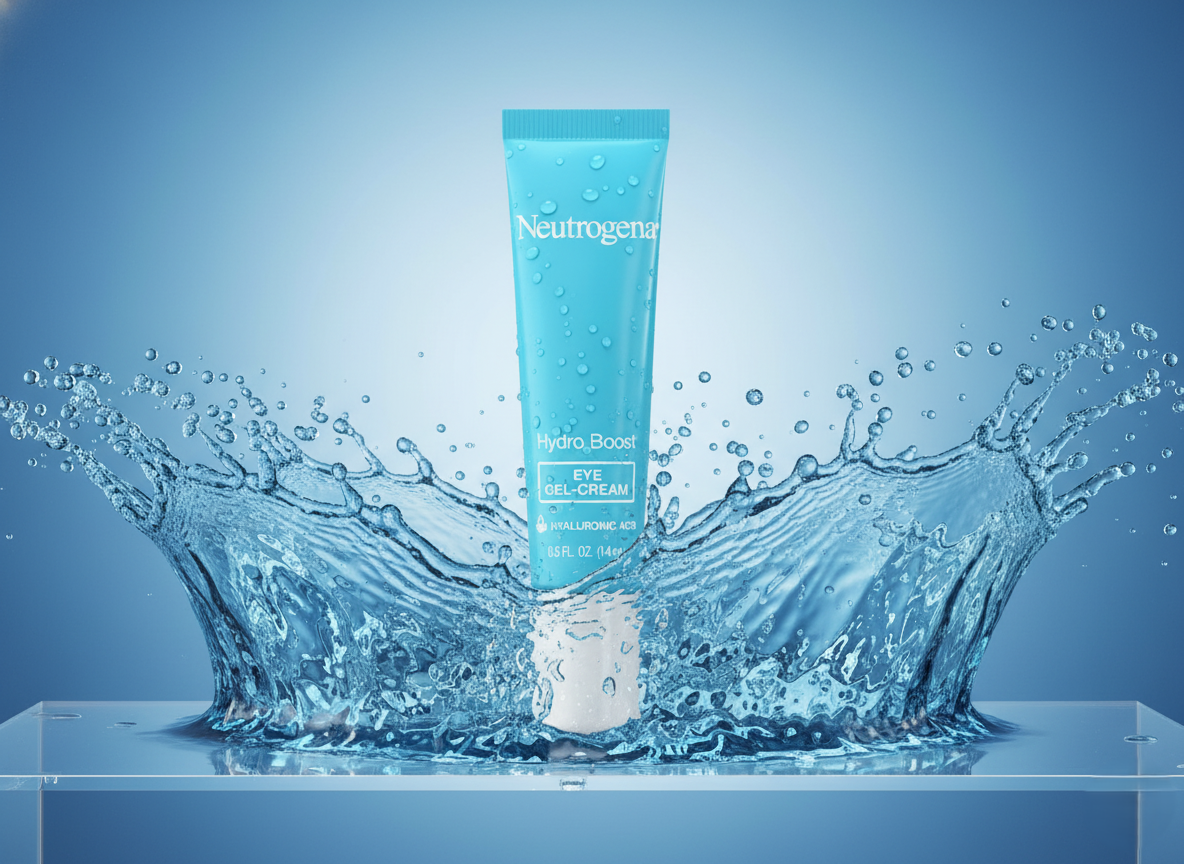
Best Budget Hydration
Est. Price: ~$20 USD
Formulation Profile:
This eye gel-cream is built on a water-forward, polymer-stabilized base designed to deliver quick hydration at a low price point. The formula relies heavily on glycerin and sodium hyaluronate for moisture, with dimethicone serving as a central structural ingredient to create slip, spreadability, and a smooth finish. Synthetic polymers and standard preservatives support texture consistency and shelf stability.
How It Works:
The immediate smoothing effect comes from humectants paired with dimethicone, which forms a synthetic film over the skin to reduce moisture loss and blur the appearance of fine dehydration lines. While this can make the eye area feel temporarily softer, dimethicone functions by coating the skin rather than supporting it. It does not integrate into the skin’s lipid barrier or deliver nutrients the skin can actively use.
Dimethicone can interfere with the skin’s natural processes by trapping debris, limiting adaptive moisture regulation, and encouraging reliance on external smoothing rather than supporting the skin’s own balance. Combined with the absence of nourishing lipids or botanical actives, the result is a formula that offers short-term cosmetic hydration but little in the way of cumulative skin support that becomes a meaningful eye care solution.
What to Look For: A Bioompatible Shopping Guide
The eye area is the most delicate skin on your face, which makes shopping for it particularly confusing. Manufacturers often promise “instant erasers,” but these are usually temporary makeup tricks. Here is how to choose a formula that supports the long-term beauty and look of your eyes.
1. Why Your Face Cream Isn’t Enough
It’s a natural question: Can’t I just use my moisturizer everywhere?
While the neck and face share many similarities, the skin around the eyes is uniquely delicate—significantly thinner than both the face and the neck, and naturally low in oil-producing glands. This makes the eye area especially prone to dryness, sensitivity, and visible signs of fatigue.
Many face creams are thoughtfully formulated to support facial and neck skin—including thinner areas like the neck, which still benefit from replenishing oils and barrier-supportive nourishment. In fact, a well-balanced facial cream can be an excellent choice for the neck, where skin is thin but more resilient than the eye area.
The eye area, however, often requires an even more refined approach. Creams designed for the face and neck may feel too rich around the eyes or include energizing botanicals that delicate periorbital skin doesn’t always tolerate well.
A dedicated eye cream is formulated with this distinction in mind. Using lighter, bio-mimetic lipids and gentle, skin-compatible botanicals, it delivers targeted moisturization and comfort without excess weight. The goal isn’t to overwhelm this fragile area, but to support it—helping maintain a soft, resilient moisture barrier that feels calm, balanced, and well cared for over time.
2. Look Beyond the “Instant Blur”
Many conventional eye creams use silicone-based ingredients to create an immediate smoothing effect on the skin’s surface. While this can make fine lines appear temporarily softened, the effect is largely cosmetic—designed to sit on the skin rather than support it—and fades once the product is removed. For genuine care, look for Active Plant Cells (like Sweet Iris or Damas Rose) and Antioxidants (like Green Tea). These ingredients don’t just sit on top; they are recognized by the skin and help support a naturally firm, bright appearance over time.
3. Texture Matters: Gel vs. Cream
Choosing the right texture matters just as much as choosing the right ingredients—especially around the eyes, where skin needs different support at different times.
- For the Look of Puffiness & Dark Circles: Lightness and movement are key. Creams can sometimes hold fluid in place, making puffiness more noticeable. A lightweight eye serum allows for better flow and absorption, helping the area feel refreshed rather than weighed down. Ingredients like sake peptides, eyebright, aloe, and fruit ceramides support hydration and comfort while helping soften the appearance of darkness and swelling without excess richness.
- For Dryness & Crow’s Feet: When the look of fine lines are driven by dryness, the skin needs nourishment and protection. A richer eye cream can provide that support through herb-infused oils and seed butters—such as mango or shea—that help reinforce the skin’s moisture barrier. This creates a gentle seal that softens the appearance of etched-in lines and keeps the delicate eye area feeling supple and cared for over time.
Used thoughtfully, a serum and a cream can work together—one to hydrate and refresh, the other to nourish and protect—supporting the eye area in a way that feels balanced, intuitive, and aligned with the skin’s natural needs.
4. The Reality of Timing
Caring for the eye area is a practice of patience and consistency. Some ingredients—like gentle humectants—can offer an immediate sense of hydration, helping soften the look of dehydration lines. But meaningful changes in how the skin looks and feels unfold gradually, in rhythm with the skin’s natural renewal cycle. With regular, thoughtful use, many people begin to notice more visible shifts in texture and tone over the course of several weeks. Expect to see the most significant difference after 4 to 8 weeks of twice-daily application.
This is where philosophy matters. Quick cosmetic fixes can create the appearance of smoothness for a moment, but they don’t necessarily support the skin beneath. We believe the most radiant skin is skin that’s well nourished and in balance. By choosing formulations made with biocompatible botanicals, active plant cells, and herb-infused oils, and by avoiding synthetic film-forming shortcuts, our Anti-Aging Skin Care Collection is designed to care for the skin over time—honoring its integrity today and supporting its vitality for the future.





Leave a Reply