


Table of Contents[Hide][Show]
Key Takeaways:
- Dehydration lines are temporary surface creases caused by a lack of water in the epidermis, whereas wrinkles are structural changes in the deeper dermal layer.
- Some people use a simple “pinch test” — gently pressing or pinching the skin to observe how quickly it returns to place — as one way to notice the difference.
- Addressing the look of this often involves a dual-action routine: hydration from serums to help plump the surface appearance, followed by facial oils to help lock in moisture and support the skin.
There is a specific moment of panic many of us face in the mirror—spotting a sudden network of fine lines on the forehead or under the eyes and wondering if time has caught up with us overnight. Before you invest in more intensive treatments, take a deep breath: your skin might simply be thirsty. Understanding the nuance of dehydration lines vs. wrinkles is the first step in curating a ritual that truly serves your skin. By identifying the underlying cause, you can turn a moment of worry into an opportunity to support your skin’s natural radiance.
The Root Cause: Understanding Dehydration Lines vs. Wrinkles
It can be difficult to distinguish temporary changes in the skin from a sign of aging because, on the surface, they often look remarkably similar. However, understanding the difference between dehydration lines and wrinkles reveals that they originate in different layers of your skin.
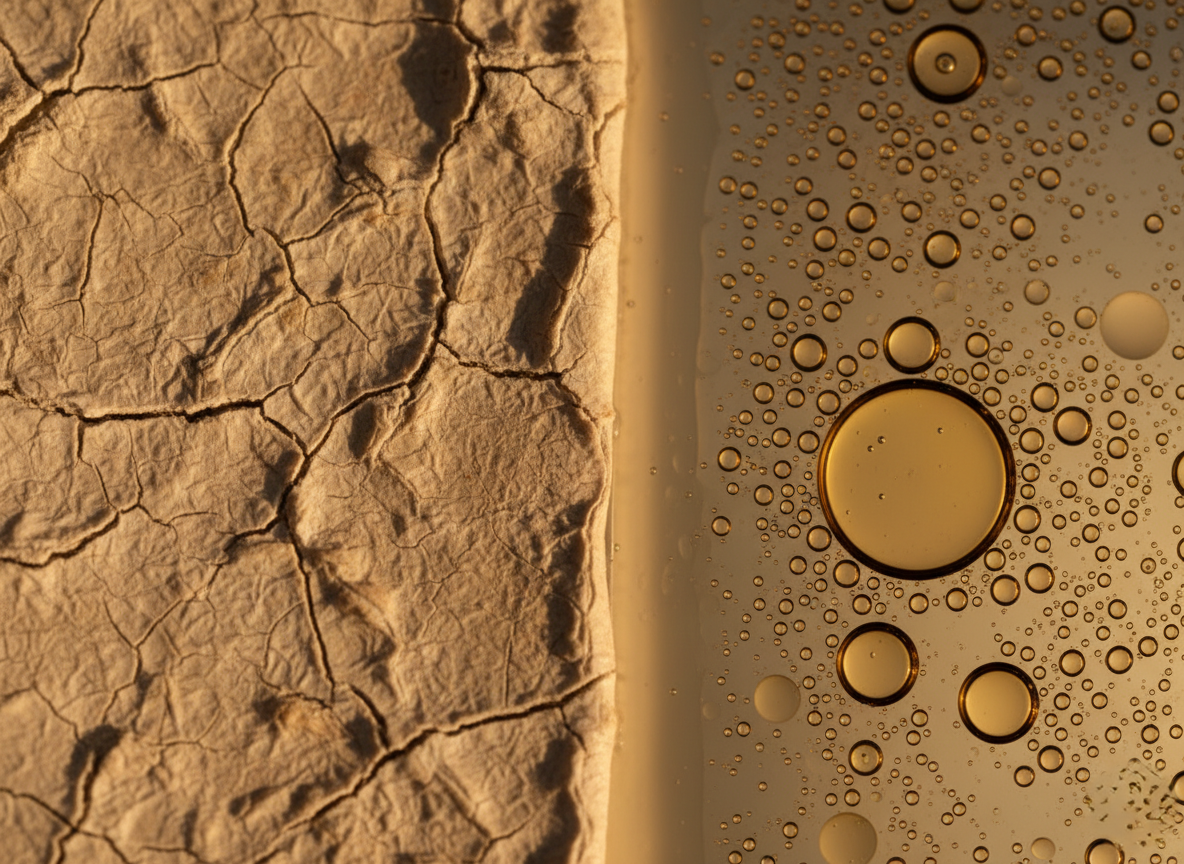
To visualize what is happening, imagine your skin is a house. Dehydration lines are comparable to cracks in the paint on the exterior walls. These happen when the surface is dry; however, the structure remains solid, and fresh hydration can visibly smooth the look of the wall. Biologically, this is associated with Transepidermal Water Loss (TEWL) in the epidermis. True wrinkles, conversely, are like settling in the foundation. They occur deeper within the dermis as part of the natural aging process, including changes in collagen and elastin. While dehydration affects the skin’s surface texture and can improve with proper hydration, wrinkles relate to the skin’s deeper structure.
How to Tell: Is It Dehydration or Deep Wrinkles?
Because our eyes can sometimes deceive us, relying solely on a mirror isn’t always enough. Paying attention to how your skin feels can offer additional insight into what it may be lacking. By gently observing how your skin responds to touch, you can get a better sense of whether it might benefit from added hydration or a nutrient-rich facial oil.
The Pinch Test: A Simple Hydration Check
A commonly referenced at-home method is the “pinch test,” which involves gently pressing the skin and observing how quickly it springs back.
- How to do it: Using your thumb and forefinger, gently pinch a small amount of skin on your cheek or forehead. Hold it for three seconds, then release.
- Possible Sign of Dehydration: If the skin appears to “tent”—meaning it takes a moment to glide back into place—or if you notice a fine, crinkled network of lines radiating from the pinch site that wasn’t visible before, your skin may be in need of additional hydration.
- Possible Sign of Wrinkles: If the skin springs back quickly but deeper, specific lines remain visible in the same spot even when your face is at rest, those lines are more likely related to natural structural aging in the skin.
Visual Cues: Texture vs. Depth
Beyond the pinch, look closely at the appearance of your skin under different lighting. Dehydrated skin often presents a “crepey” texture—similar to fine tissue paper—that appears more noticeable on the surface. You may notice these lines resemble tiny triangular scales or a crisscross mesh. They can shift in appearance throughout the day, sometimes looking more pronounced after cleansing or in dry, air-conditioned environments.
Wrinkles, on the other hand, tend to show more visible depth. These lines often appear as more defined creases that remain visible regardless of changes in humidity. Interestingly, dehydrated skin can sometimes look shiny while feeling tight, whereas more mature skin may appear drier or more matte.
Zone-Specific Analysis: Forehead and Eyes
While dehydration can affect the entire face, the forehead and the delicate under-eye area are often the first places where it becomes noticeable. These zones differ from the cheeks in skin thickness and oil production, which can make them more prone to showing visible signs of dryness.
The Forehead: Expression vs. Exhaustion
The forehead is a large canvas with relatively thin skin. When comparing lines here, dehydration lines tend to appear horizontal but very fine, superficial, and “scratchy” in appearance—like a sheer veil of texture. They may become more noticeable after a flight, a night of poor sleep, or after using a harsh cleanser.
In contrast, forehead wrinkles are often associated with repeated facial expressions, such as raising your eyebrows. Over time, these expression lines can remain visible even when the face is at rest. They typically appear deeper, are spaced further apart, and look more defined than dehydration lines.
The Under-Eyes: Paper-Thin Signals
The skin under the eyes is among the thinnest on the body and has fewer oil glands than other areas, which can make it more prone to dryness. Dehydration here often appears as a fine “hatching” network—tiny crisscross lines that resemble crepe paper when you smile or squint.
This differs from what are commonly called “crow’s feet,” which are expression lines associated with repeated facial movement around the eyes. If you apply a rich eye cream or serum and notice that the fine “hatching” looks visibly softened shortly after application, those lines were likely related to temporary dryness.
Restoring Balance: The Dual-Action & Holistic Routine
Once you have identified the source, the next step is a comprehensive approach that supports the skin from the outside in and the inside out. This routine focuses on improving the appearance of surface dryness while supporting the look of overall skin resilience.
Step 1: Hydrate with Serums (The Plumping Step)
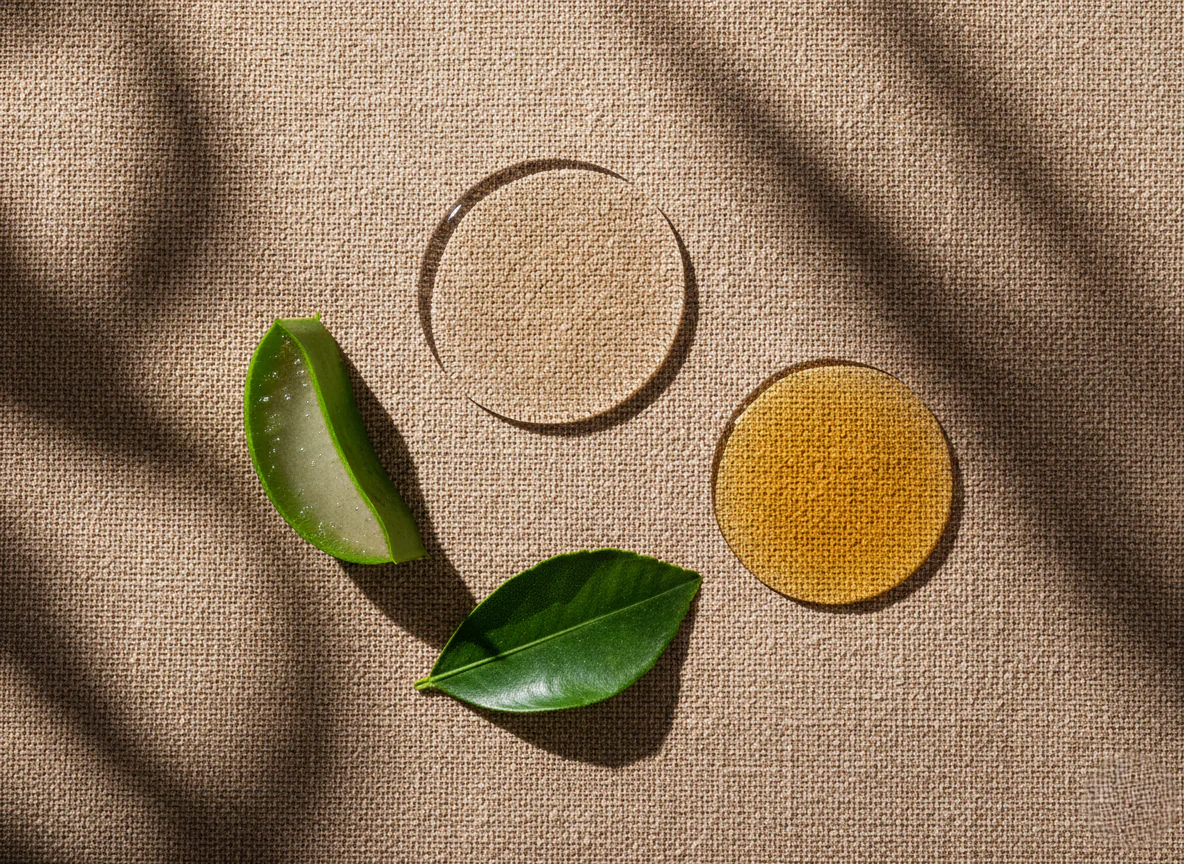
If your skin is showing signs of dehydration, your priority is replenishing surface hydration with humectant-rich serums. These ingredients help attract and hold hydration at the skin’s surface, giving the appearance of a smoother, more supple complexion.
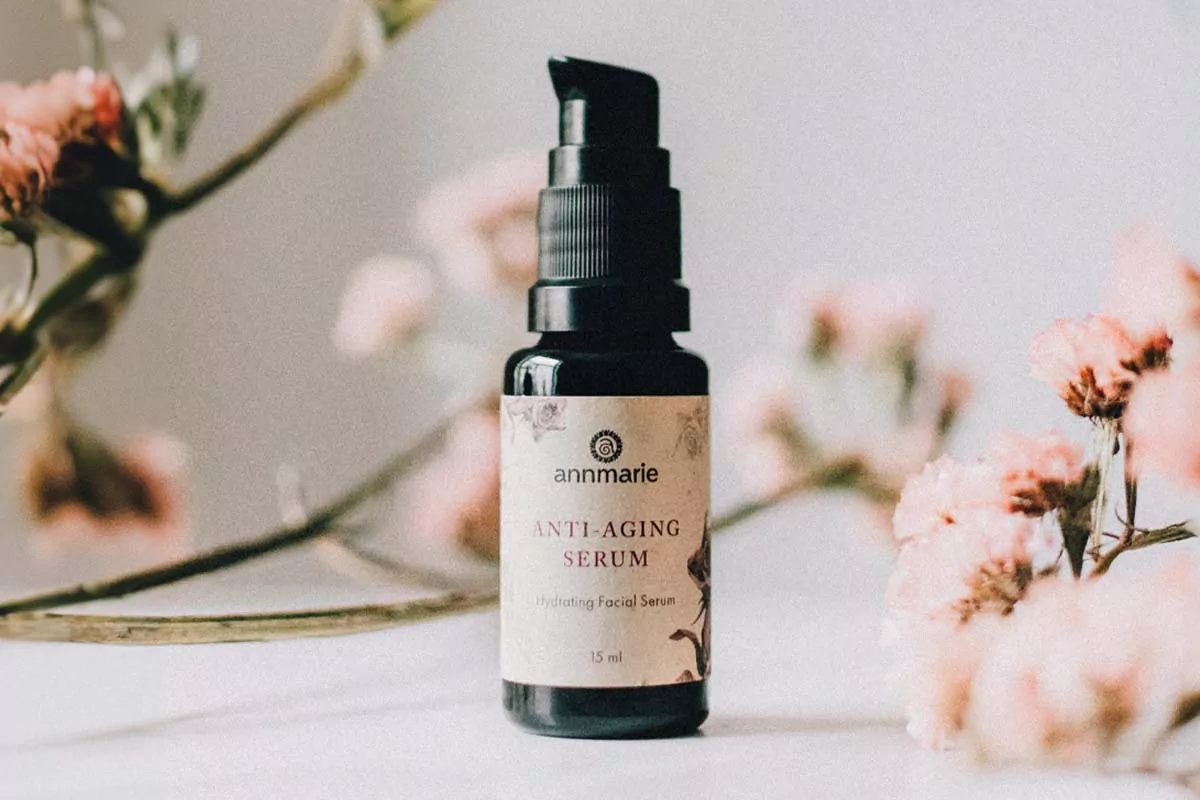
We recommend the Citrus Stem Cell Serum for those seeking visible brightness and refreshed-looking hydration. Alternatively, for those wanting to support the appearance of firmness while maintaining hydration, the Anti-Aging Serum offers a concentrated herbal blend designed to enhance the skin’s overall radiance.
Step 2: Seal with Oils (The Nourishing Step)
To help maintain hydration from step one, it’s important to support the skin’s natural moisture barrier. Humectants help attract water to the skin’s surface, but without a protective layer, that hydration can dissipate throughout the day. Antioxidant-rich plant oils help create a breathable seal that supports lasting moisture.
Applying the Anti-Aging Facial Oil over your serum is an essential final step. This lipid-rich blend helps condition the skin and soften the appearance of visible lines, leaving the complexion looking smoother and more supple. To explore more about how oils complement your routine, read our guide on facial oil vs. moisturizer.
Step 3: Internal Support (The Long-Term Approach)
Finally, you can help maintain a healthy-looking complexion by supporting your body from within. While drinking water is important, overall nutrition also plays a role in how the skin looks and feels. Incorporating sources of essential fatty acids—such as avocados, walnuts, and seeds—can help support overall skin hydration and barrier function as part of a balanced diet.
Without adequate dietary fats, skin may appear drier or less supple over time, contributing to that recurring dehydrated look.
Conclusion: Interpreting Your Skin’s Signals
Ultimately, lines on your face can feel like a form of communication. They may reflect temporary dryness rather than deeper signs of aging. By paying attention to your skin’s needs and responding with a thoughtful routine—hydrating with serums, sealing with oils, and incorporating healthy fats into your diet—you allow yourself the space to age mindfully.
Notice how your skin looks and feels with consistent care, and remember that when it comes to dehydration lines vs. wrinkles, a well-hydrated complexion tends to appear more supple and balanced.
Frequently Asked Questions
Can dehydration lines turn into permanent wrinkles?
A dehydration line itself is not the same as a wrinkle. However, when skin regularly lacks adequate moisture, it may appear less supple and more vulnerable to visible signs of aging over time. Keeping the skin consistently hydrated and supported can help maintain a smoother, more resilient-looking complexion.
How long does it take for dehydration lines to go away?
Dehydration lines are often temporary and can improve relatively quickly with consistent hydration. Because they are related to surface moisture levels, many people notice visible softening within a few days of using humectant-rich serums and sealing with facial oils. That said, individual results vary depending on skin type, environment, and overall routine.
Does exfoliating help with dehydration lines?
It depends. Gentle enzymatic exfoliation can help remove dead, dry skin cells that make dehydration lines appear more noticeable. However, harsh scrubbing can disrupt the skin’s moisture barrier, which may leave skin feeling drier or more sensitized. Stick to gentle, non-abrasive exfoliants and always follow with hydrating serums and a nourishing facial oil.







Leave a Reply