


Table of Contents[Hide][Show]
Key Takeaways:
- The acid mantle refers to the skin’s slightly acidic surface environment, typically with a pH between 4.5 and 5.5, which plays a role in maintaining moisture balance.
- A tight or “squeaky clean” feeling after washing can be a sign that skin may need a gentler, more supportive cleansing approach.
- Highly alkaline soaps and detergents can leave skin feeling dry or uncomfortable, which may make visible dryness or sensitivity more noticeable.
- Choosing pH-balanced, lipid-rich cleansers can help maintain the skin’s natural equilibrium and support a soft, comfortable-looking complexion.
Have you ever wondered why washing your face sometimes leaves your skin feeling refreshed and soft, while other times it feels uncomfortably tight — almost as if it’s a size too small? It’s not simply a matter of dryness; it can also relate to shifts in your skin’s surface pH balance.
The answer often lies in a delicate, invisible layer known as the acid mantle — the slightly acidic environment that exists on the surface of your skin. To cultivate a calm, luminous glow, it helps to move beyond surface-level aesthetics and understand how maintaining this natural pH balance can support a soft, even-looking complexion.
What Is the Acid Mantle of the Skin? Demystifying the Invisible Barrier
To truly care for our skin, it helps to understand the natural balance that exists on its surface. Before discussing products or rituals, we can begin by looking at the outermost layer of the epidermis, where a delicate blend of natural oils, sweat, and surface pH work together to influence how skin looks and feels.
This slightly acidic environment — often referred to as the acid mantle — plays an important role in maintaining surface moisture balance and overall skin comfort.

The Surface Definition
Think of the acid mantle as a very thin, invisible “cloak” that rests on the surface of your skin. It is often described as a hydrolipid film — a blend of natural oils (sebum), amino acids, fatty acids, lactic acid, and water from perspiration that contribute to the skin’s slightly natural surface state.
While the idea of a film on your skin might sound heavy, it is actually microscopically light and plays a role in helping skin feel smooth, supple, and comfortably hydrated.
Understanding the pH Scale
To understand why this layer is called an “acid” mantle, it helps to look at the basics of chemistry. The term “pH” stands for “potential hydrogen,” and it measures how acidic or alkaline a substance is on a scale of 0 to 14. A pH of 7 is neutral (like pure water). Anything below 7 is considered acidic, and anything above 7 is alkaline (or basic).
Skin’s surface typically falls within a slightly acidic range, often cited between 4.5 and 5.5. This mild acidity contributes to the skin’s overall harmony and influences how it looks and feels.
The Chemistry Behind Surface Balance
This slightly acidic pH range influences how skin looks and feels. When the surface balance shifts too far toward alkaline, skin may feel drier or less comfortable.
The skin’s surface is home to a variety of naturally occurring microorganisms that coexist there. Maintaining a gentle, pH-conscious routine can help support a balanced surface environment and contribute to a smooth, visibly calm-looking complexion.
If you’d like to explore the science of acidity and alkalinity further, understanding these fundamentals can offer helpful insight into why certain products may feel more compatible with your skin than others.
Why Surface Balance Matters
Now that we’ve explored what this surface layer is composed of, we can look at why its pH balance is important. Maintaining a slightly acidic environment influences how skin feels and how well it retains surface moisture.
Rather than acting as a shield, the acid mantle can be understood as part of the skin’s natural surface environment — one that contributes to comfort, smoothness, and an overall balanced-looking complexion.
Environmental Factors and Surface Stability
Your skin is exposed daily to environmental elements such as wind, sun, and pollution, all of which can influence how it looks and feels. While the acid mantle isn’t a shield in the dramatic sense, its slightly acidic outer-layer pH plays a role in maintaining overall skin comfort.
When this balance shifts — whether from environmental exposure or highly alkaline products — skin may feel tighter, drier, or less comfortable. Maintaining a pH-conscious routine helps support moisture retention and promotes a smooth, resilient-looking complexion over time.
Surface Hydration and Comfort
In addition to surface balance, this slightly acidic environment helps maintain a soft, supple feel by supporting surface moisture retention. When this outer layer remains balanced, skin tends to feel softer and less prone to surface dryness.
You might imagine the acid mantle as helping maintain a comfortable environment for the skin’s outermost layer. When that surface feels supported, skin tends to look smoother and feel softer, rather than dry or uneven.
The Disruption: How Our Habits Can Shift Surface Balance
Despite the role the acid mantle plays in maintaining the skin’s natural equilibrium, many everyday habits can unintentionally leave skin feeling less comfortable. Often, this isn’t intentional — it stems from a misunderstanding of what “clean” truly means in the context of mindful skin care.
In the pursuit of freshness, we may lean toward routines that feel effective in the moment but leave skin feeling tight or dry afterward.
The “Squeaky Clean” Myth
For decades, we’ve been conditioned to believe that skin is only clean if it feels “squeaky.” However, that tight sensation doesn’t necessarily signal cleanliness — it can simply mean your skin may have been over-cleansed.
When cleansing leaves skin feeling tight, it may indicate that surface oils and moisture have been reduced more than intended. Instead of feeling stripped, a well-balanced cleanse should leave skin feeling soft, refreshed, and comfortably hydrated — never overly tight.
The Chemical Mismatch
One contributing factor can be the difference in pH levels. As we discussed, skin’s surface typically sits in a slightly acidic range around 4.5 to 5.5. Traditional bar soaps and some foaming cleansers may have a much more alkaline pH.
When a highly alkaline product is applied to skin, it can temporarily shift the skin’s surface pH. During that time, skin may feel tighter or less comfortable until its natural balance gradually returns.
The Interaction Between Soap and Skin
When you cleanse with highly alkaline soaps, they can be very effective at removing oil and debris from the surface of the skin. However, they may also reduce some of the natural surface lipids that contribute to skin’s slightly acidic environment.
When these surface oils are reduced more than intended, skin may feel tight, dry, or less comfortable afterward. Over time, consistently using products that are not aligned with skin’s natural pH may leave skin feeling less balanced.
Choosing gentler, pH-conscious cleansers can help maintain a more comfortable, soft-feeling complexion.
Recognizing the Signs of Surface Imbalance
How can you tell if your skin’s surface pH may be out of balance? Often, your skin provides subtle cues through changes in how it looks and feels.
Learning to recognize these shifts — such as tightness, dryness, or increased sensitivity — can help you adjust your routine toward gentler, more pH-conscious products that support a comfortable, balanced-looking complexion.
Immediate Sensory Cues
One of the most noticeable signs can happen right at the sink. If you dry your face and immediately feel tightness, stinging, or the urge to apply moisturizer right away, your skin may have been over-cleansed.
Ideally, after washing, skin should feel comfortable and balanced — even before toner or oil is applied. Persistent itching or a prickly sensation may suggest that your cleanser isn’t fully aligned with your skin’s natural pH preferences.
Visible Changes Over Time
Over time, an imbalanced routine may contribute to noticeable changes in how skin looks and feels. You might observe increased dryness, flaking around the nose or mouth, or a complexion that appears less luminous.
When skin feels dehydrated, fine lines may look more visible simply because the surface lacks plumpness. This can give the appearance of accelerated aging, even though it often reflects temporary moisture imbalance rather than time itself.
Reactivity and Occasional Blemishes
When skin feels over-cleansed or out of balance, it may become more reactive to products that previously felt comfortable. You might notice increased sensitivity, tightness, or visible changes in texture.
In some cases, an overly aggressive routine can create a cycle: using harsh cleansers to reduce oil may leave skin feeling stripped, which can then prompt it to produce more oil in response. This imbalance can sometimes coincide with the appearance of congestion or occasional blemishes.
Shifting toward a gentler, pH-conscious approach often helps skin feel calmer and more balanced over time.
Restoration and Care: Supporting Your Skin’s Natural Balance
Refining your skin care ritual to be more pH-conscious can be one of the most meaningful adjustments for maintaining a harmonious-looking complexion over time. The goal is to cleanse and nourish in a way that works in harmony with your skin’s natural surface environment.
By choosing gentler formulas and thoughtful layering, you can help maintain comfort, softness, and visible radiance without leaving skin feeling stripped.
Selecting the Right Cleanser
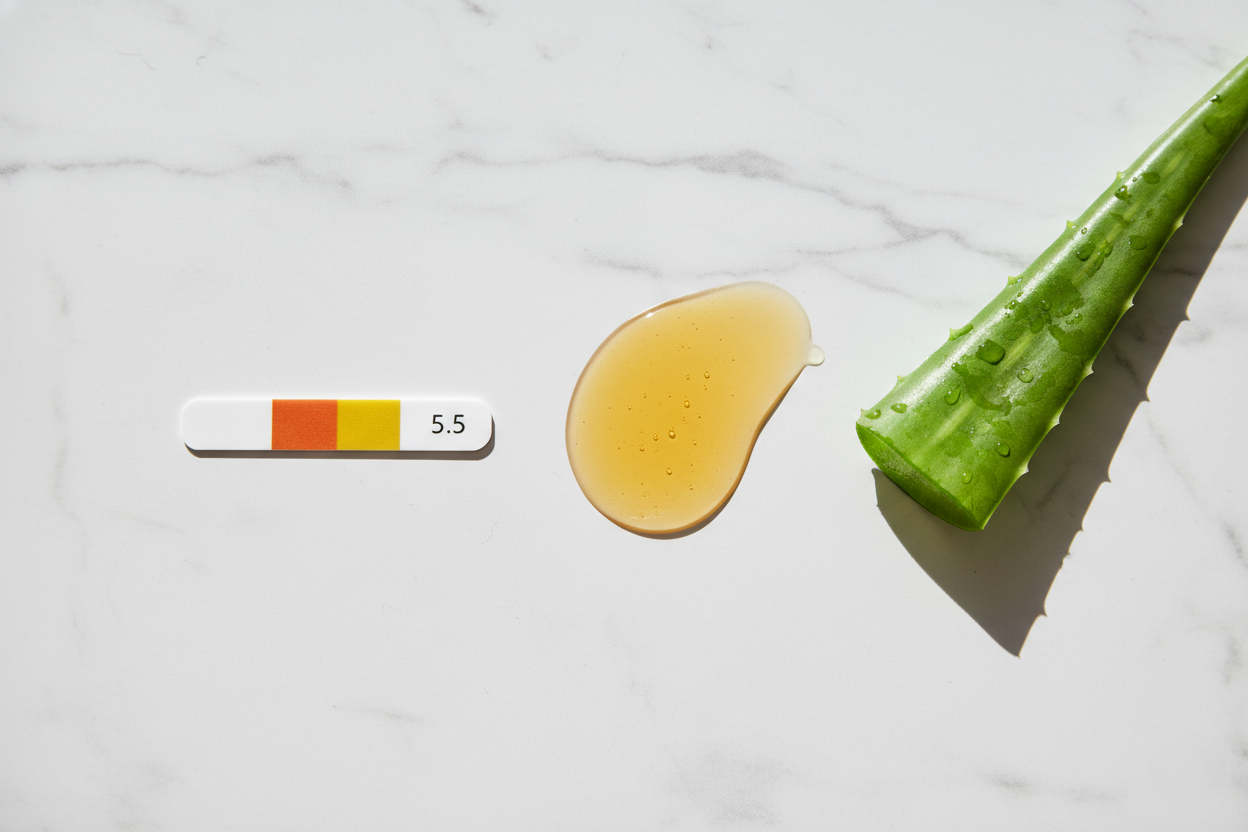
A thoughtful skin care routine often begins with choosing a pH-conscious cleanser. This means selecting a formula designed to align more closely with the skin’s naturally slightly acidic surface (often around pH 4.5–5.5), helping cleanse without leaving skin feeling tight or overly stripped.
Unlike highly alkaline soaps, a pH-balanced option like our Renew Facial Cream Cleanser or the refreshing Aloe Herb Cleanser is formulated to gently lift away impurities while helping maintain surface moisture and comfort. These formulas cleanse effectively while supporting a soft, balanced-feeling complexion.
The Role of Natural Oils
Because the skin’s surface naturally contains oils (sebum), incorporating compatible plant-based oils into your routine can help maintain comfort and softness. Many facial oils are formulated with lipid profiles that are similar to those found in the skin, allowing them to layer comfortably without feeling heavy.For balanced-looking skin, the Herbal Facial Oil for Normal and Combination Skin offers nourishing hydration to help maintain suppleness. And yes — even oily skin types can benefit from thoughtfully selected oils. The Herbal Facial Oil for Oily Skin is crafted to feel lightweight and supportive, helping skin feel balanced without leaving a greasy residue.

Adjusting Habits for Surface Comfort
Beyond products, daily habits play an important role in how your skin looks and feels. Cleansing with lukewarm water instead of very hot water can help maintain surface moisture and prevent skin from feeling overly dry afterward.
It’s also helpful to be mindful of over-exfoliation, as frequent or aggressive scrubbing may leave skin feeling tight or sensitive. If you’re unsure which formulation best suits your routine, exploring gentle, pH-conscious options can help you find a comfortable match.
By approaching cleansing as a thoughtful ritual rather than an intensive scrub, you can help maintain a soft, balanced-feeling complexion.
Conclusion: Embracing Acidity for Radiant Skin
Your skin is remarkably adaptive, and its slightly inherent acidity plays an important role in how it looks and feels. By shifting your perspective from “scrubbing clean” to “gently supporting,” you align your routine with your skin’s natural balance.
Maintaining this delicate pH environment isn’t just about avoiding tightness — it’s about helping skin feel comfortable, look smooth, and maintain a supple, luminous appearance. When you treat your skin with thoughtful care, it often reflects that attention with a calm, radiant glow.
Frequently Asked Questions
What is one function of the acid mantle that stands out?
One of the most important roles of the acid mantle is helping maintain the skin’s acidic balance. This pH balance influences how skin retains moisture and how comfortable it feels throughout the day.
When the surface remains within its naturally slightly acidic range (often cited between 4.5–5.5), skin tends to feel smoother and more balanced in appearance.
How long does it take for skin’s surface pH to rebalance?
Skin’s surface pH may shift temporarily after cleansing, especially when highly alkaline products are used. In many cases, this balance gradually returns on its own over time.
If your routine has consistently left skin feeling tight or dry, transitioning to gentler, pH-conscious products can help improve comfort and overall appearance within a few days. Maintaining a consistent, balanced routine over several weeks often leads to more noticeable improvements in softness and hydration.
Does tap water affect the acid mantle?
Tap water is often neutral (around pH 7) or slightly alkaline, depending on your region. Because skin’s surface is naturally slightly acidic, rinsing with water may temporarily shift the skin’s pH.
In most cases, this shift is brief. Skin’s outer layer harmony typically returns over time. The feeling of tightness that sometimes follows cleansing is more often associated with the use of highly alkaline soaps rather than water alone.
Can diet influence the pH of my skin?
While diet plays a role in overall wellness, the acid mantle is primarily related to the skin’s surface environment. Factors such as cleansing habits and topical products tend to have a more direct influence on surface pH.
That said, maintaining a balanced diet that includes essential fatty acids may contribute to skin that looks supple and well-nourished overall, which can complement a thoughtful, pH-conscious skin care routine.







Leave a Reply