


Table of Contents[Hide][Show]
Key Takeaways:
- The sensation of tight skin is often not a sign of cleanliness or firmness, but a sign that the hydrolipid layer may be feeling depleted.
- Transepidermal Water Loss (TEWL) refers to the natural evaporation of water from the skin. When the skin’s lipid layer is low, that water can escape more easily, leaving skin feeling dry — almost like a sponge without moisture.
- Supporting skin comfort starts with a mindful ritual, focusing on pH-balanced cleansing and understanding the difference between hydration (water) and moisture (oil).
Have you ever smiled after your evening ritual, only to feel a sudden resistance — as if your skin is a size too small for your face? That uncomfortable, pulling sensation is often misunderstood as a sign of cleanliness or firmness. In reality, it’s usually a sign that your skin is craving more hydration and support. Far from a beauty standard, that stiffness is your skin’s way of signaling that it needs a gentler approach. By understanding why this happens, you can shift from harsh habits to a nurturing routine that helps your complexion feel calm and comfortable again.
The Biological “Why”: Understanding Your Skin’s Moisture Barrier
To better care for your skin, it helps to understand the structure that keeps it feeling supple. While we experience skin as a surface, it functions as a protective layer that helps maintain hydration and shield against environmental stressors. When that layer feels depleted or unbalanced, tightness can occur — often leaving skin feeling less comfortable than usual.
The Sensation vs. The Reality
There is a pervasive myth in the beauty world that if a product tingles or leaves the face feeling stiff, it is “working.” While certain ingredients can create temporary sensation, a lingering feeling of tightness is often a sign that your skin may need more support.
This can happen when the delicate surface layer — sometimes referred to as the acid mantle — is left feeling stripped after cleansing. Rather than signaling firmness, that stiff feeling usually reflects a lack of hydration and complexion stability.
True radiance feels supple and comfortable — not taut or dry.
The Brick and Mortar Analogy
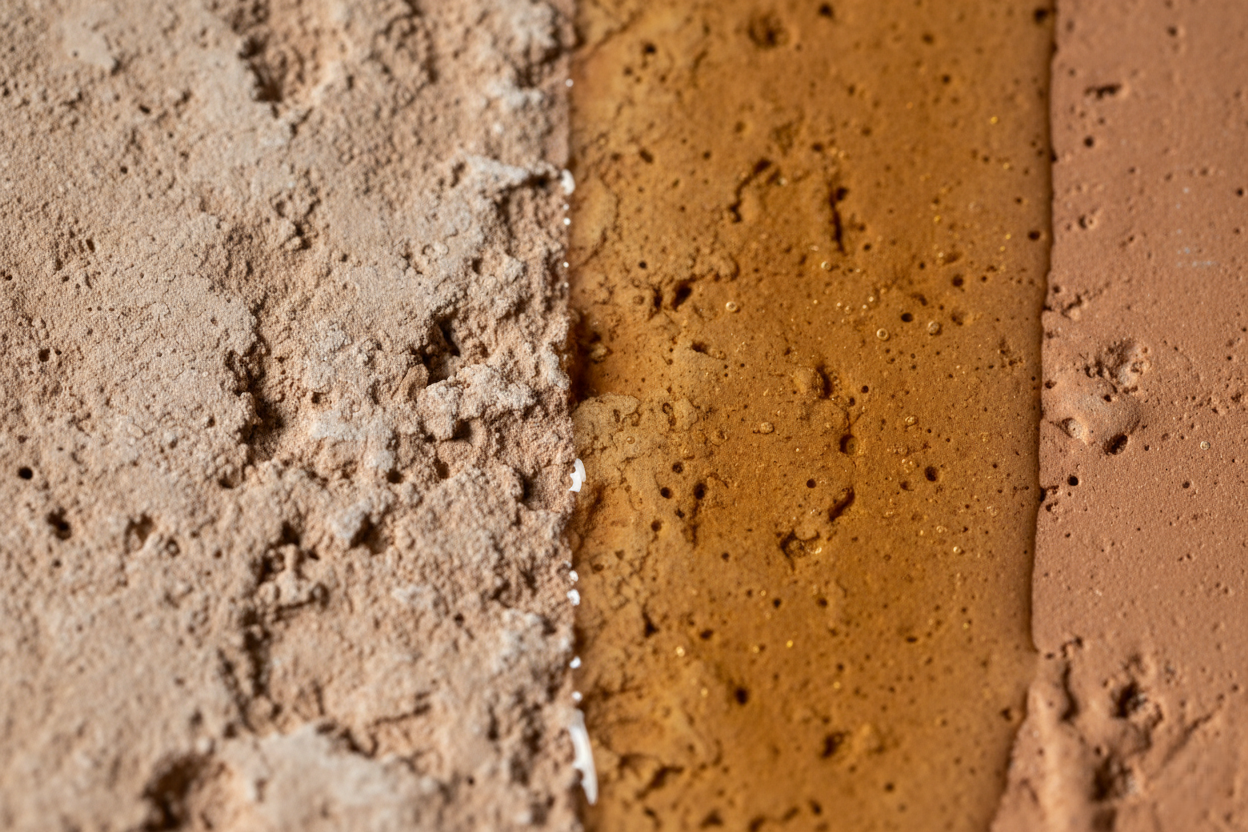
Think of your stratum corneum — the outermost layer of the skin — as a brick wall. The skin cells are the “bricks,” and surrounding them is a lipid-rich blend of ceramides, cholesterol, and fatty acids that acts like “mortar.”
When this outer layer of the skin is well-balanced, skin tends to feel smooth, supple, and better able to retain moisture. However, overly harsh cleansing or environmental stress can leave that surface layer feeling depleted. When this happens, skin may feel rough, dry, or tight — as though the wall is less cohesive than before.
Supporting this outer layer with gentle care helps maintain a nourished, healthy-looking complexion.
Understanding TEWL and Stiffness
When the skin’s surface lipids feel depleted, moisture can evaporate more quickly — a natural process known as Transepidermal Water Loss (TEWL).
In simple terms, when skin loses water more rapidly than its replenished, it can begin to feel dry and tight. Imagine a damp sponge left on a sunny counter: as water evaporates, the sponge becomes firmer and less flexible. Skin can feel similarly when hydration levels drop at the surface.
An increase in moisture loss doesn’t mean your skin is damaged — but it can leave it feeling taut, less supple, and in need of replenishing hydration and moisture.
Pinpointing the Culprit: Common Triggers Explained
Ideally, our skin maintains a natural balance. However, modern hygiene habits and overly aggressive skin care trends can sometimes leave skin feeling stripped or tight. Understanding what may be contributing to that sensation is the first step toward creating a more supportive routine.
The Post-Wash “Squeak” (Cleansers & Water)
For decades, we were taught that “squeaky clean” was the goal, often leading us to wonder, why does my skin feel tight after washing my face?
In reality, that squeaky feeling can be a sign that your skin has been cleansed a little too thoroughly. Some conventional cleansers rely on strong surfactants or high-pH soaps that can leave skin feeling dry or stripped of surface moisture.
Skin naturally prefers an acidic environment. Choosing a pH-balanced, creamy cleanser – such as our Renew Facial Cream Cleanser – helps cleanse effectively while supporting skin’s natural moisture balance, leaving it feeling soft and comfortable rather than tight.
The Activated Ingredient Overload
In the pursuit of glowing skin, it’s easy to overindulge in activated ingredients. Layering too many exfoliating or resurfacing products at once can leave skin feeling tight or sensitive after your routine.
If your skin feels less comfortable than usual, it may be helpful to simplify. Consider rotating in a gentler option like our Ayurvedic Facial Scrub, which provides effective exfoliation without the intensity of stronger acids, helping skin feel smooth and balanced rather than overworked.
Environmental & Heat Stressors
Sometimes, the culprit is simply the air around you — or your bathing habits. You may notice this sensation after a shower and wonder, why does my face feel tight afterward?
Long, hot showers can leave skin feeling drier than usual, especially when exposed to high heat for extended periods. Similarly, low-humidity environments can cause moisture to evaporate more quickly from the skin’s surface, which may contribute to that tight, uncomfortable feeling.
Being mindful of water temperature and supporting skin with replenishing hydration afterward can help maintain a softer, more supported feel.
Understanding the Difference: Dry vs. Dehydrated Skin
It’s helpful to distinguish between a skin type and a temporary skin state. “Dry” and “dehydrated” are often used interchangeably, but confusing the two can lead to choosing heavier oils when skin simply needs more hydration — or focusing on hydration when richer moisture would be more supportive.
Defining the Two States
- Dry skin is generally considered a skin type that produces less oil than other types. Those with dry skin often notice smaller-looking pores and may experience texture that feels rough or less supple. This skin type typically benefits from richer oils and nourishing blends — like our Rejuvenating Facial Oil — to help support softness and comfort.
- Dehydrated skin, by contrast, refers to a temporary state in which the skin is lacking water. Anyone can experience dehydration, including those with oily or blemish-prone skin types. In these cases, skin may appear dull or feel tight, even if oil is present.
Why Polarity Matters
This distinction helps explain why your face can feel tight and dry — or even tight and oily. When skin feels oily yet uncomfortable, it may be experiencing a lack of water rather than a lack of oil. In those cases, layering on more drying products can leave skin feeling even more imbalanced.
Conversely, skin that naturally produces less oil often feels more comfortable when supported with richer, nourishing formulas, such as our Restorative Facial Neck Cream.
Understanding the difference allows you to choose products that better align with what your skin is currently experiencing — helping it feel balanced, soft, and at ease.
The Restoration Ritual: Supporting Skin that Feels Tight
Addressing tight-feeling skin isn’t about layering on more products — it’s about simplifying your ritual and choosing formulas that help maintain surface moisture balance.
The goal is to replenish hydration, reinforce comfort, and support the skin’s natural ability to retain moisture. With gentle cleansing, balanced hydration, and nourishing oils, skin can begin to feel softer, more supple, and at ease.
Step 1: The “Reset” Cleansing Approach
If your skin feels tight, consider simplifying. You might try skipping your morning cleanse and instead rinsing with lukewarm water — never hot — to refresh the skin without over-cleansing or removing surface oils produced overnight.
This simple “reset” can help maintain your skin’s natural moisture balance and support a more comfortable feel throughout the day.
Step 2: Hydrate and Seal (The Method)
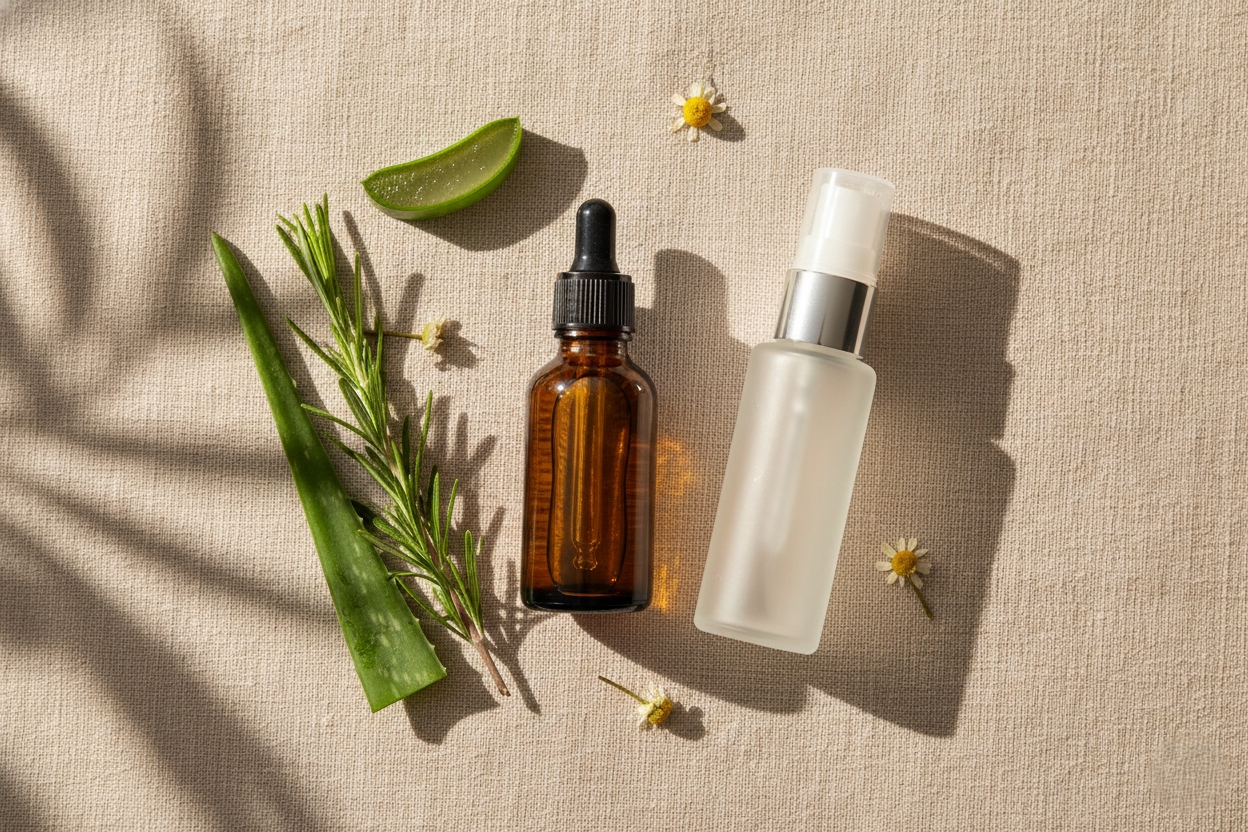
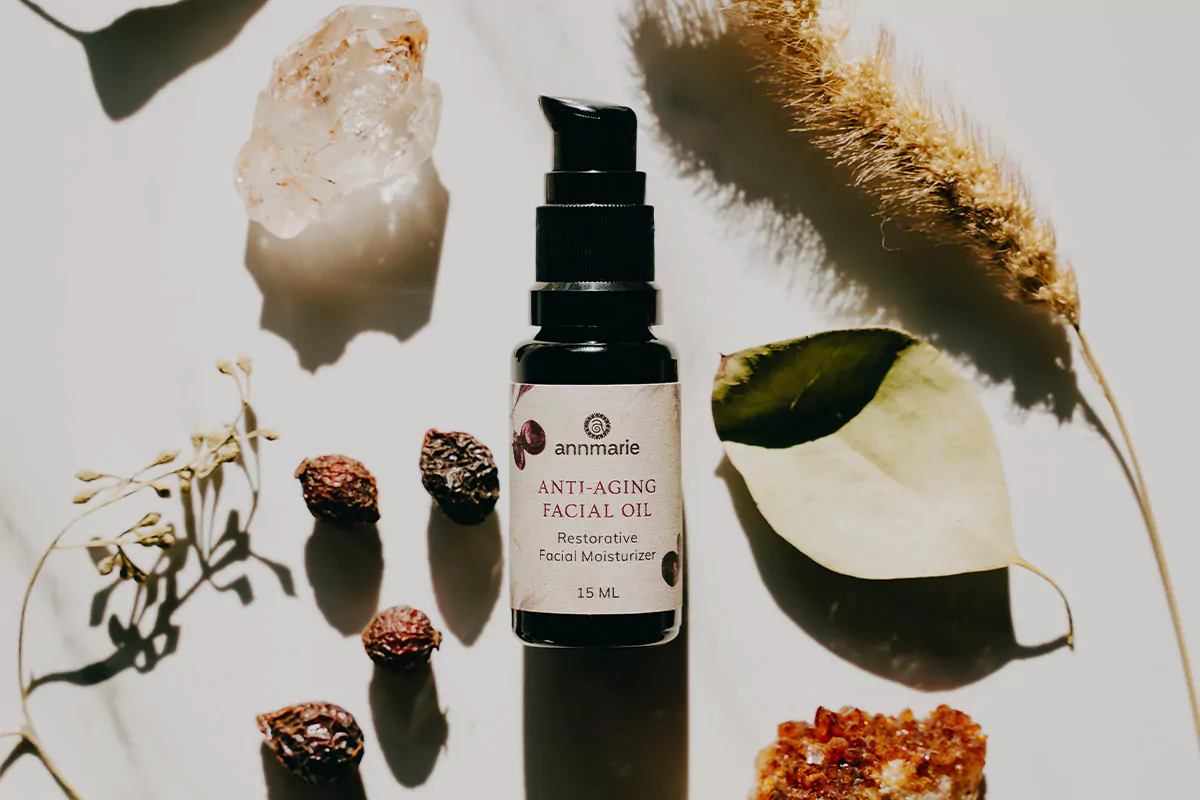
Hydration works beautifully in layers. Start by applying a water or aloe-based serum to damp skin. We recommend the Probiotic Serum with Tremella — Tremella mushroom is known for its impressive ability to attract and hold hydration, helping skin feel refreshed and supple.Because surface hydration can evaporate over time, follow immediately with the Anti-Aging Facial Oil. This final step helps lock in moisture and support skin’s natural barrier, leaving it feeling soft, comfortable, and resilient.
Step 3: Supporting Sensitive-Feeling Skin
If tightness is accompanied by visible redness or a heightened feeling of sensitivity, simplicity is key. Consider streamlining your routine and choosing gentle, fragrance-free formulas.
Our Herbal Facial Oil for Sensitive Skin is unscented and thoughtfully formulated to help soothe the appearance of temporary redness while supporting the skin’s natural moisture balance.
If you’d like to learn more about how oils can support skin comfort and hydration, explore our guide on what are the benefits of facial oil for your skin.
Internal Support: Nourishing Skin from Within
Skin often reflects overall lifestyle habits, including hydration and nutrition. When skin feels dry or tight, it may be helpful to look beyond topical care and consider daily habits that support overall well-being.
Staying well-hydrated and enjoying a balanced diet rich in healthy fats and antioxidants can complement your external ritual and help skin maintain a comfortable, healthy-looking appearance.
Hydration Beyond Water
Drinking water is important, but hydration is about more than just what you sip. Supporting overall hydration can also include incorporating water-rich foods — sometimes described as “eating your water.”
Foods like cucumber, melon, celery, and berries contain high water content and can complement your daily hydration habits, contributing to a fresh, healthy-looking glow.
Essential Fatty Acids (Omegas)
Healthy fats play an important role in overall wellness, and many people find they complement a balanced skin care routine. Omega-3 fatty acids, in particular, are often associated with supporting skin that looks supple and comfortable.
Incorporating foods like flaxseeds, walnuts, avocados, or an algal oil supplement into a balanced diet may help support overall skin appearance and contribute to a soft, healthy-looking glow.
Conclusion: Embracing Comfort
The answer to “why does my face feel tight” is often an invitation to slow down and take a gentler approach. By shifting your mindset from “stripping clean” to “nourishing care,” you can help support moisture balance and ease that uncomfortable pulling sensation.
Embrace a ritual that prioritizes pH-balanced cleansing, supports your skin’s natural lipids, and layers hydration thoughtfully. When you care for your skin barrier with intention, your complexion can feel as calm and comfortable as it looks.
Frequently Asked Questions
Why does my face feel tight even after moisturizing?
This can sometimes happen if moisturizer is applied to completely dry skin or if the formula is very lightweight. Ingredients that attract water (often called humectants) work best when paired with a layer that helps reduce surface moisture evaporation.
Try applying your moisturizer to slightly damp skin, then following with a few drops of facial oil to help lock in hydration and leave skin feeling softer and more comfortable.
Is tight skin a sign of premature aging?
Not necessarily. Tight-feeling skin is often related to temporary moisture imbalance rather than aging itself. In some cases, dehydration can make fine lines appear more noticeable, giving the illusion of increased aging.
Focusing on hydration and gentle care can help skin feel more supple and look smoother. Once skin feels more balanced and comfortable, you may choose to incorporate targeted formulas such as the Anti-Aging Serum to support the appearance of firmness or the Citrus Stem Cell Serum to enhance radiance.
How long does it take for tight-feeling skin to feel balanced again?
When you simplify your routine and focus on gentle, moisture-supportive products, many people notice their skin begins to feel more comfortable within a few days.
Supporting your skin’s moisture balance consistently over time — often over the course of several weeks — can help maintain a softer, smoother feel. Consistency and a less-is-more approach are key.







Leave a Reply