


Table of Contents[Hide][Show]
Key Takeaways:
- Dry, flaky skin is often a sign that the skin’s natural lipid layer may need additional support,” meaning your skin may be lacking some of the natural oils needed to help the surface appear smooth and unified.
- Common causes of dry skin on the face range from environmental changes and harsh cleansers to internal factors that can contribute to sudden dryness.
- Conventional moisturizers can sometimes evaporate quickly; supporting the skin’s protective surface often benefits from lipid-rich facial oils that are similar in structure to your skin’s natural sebum.
- Supporting the look of revitalized skin can be a mindful ritual involving pH-balanced cleansing, hydration, and sealing with high-quality botanical oils.
We have all experienced that moment of frustration in front of the mirror—you apply your foundation or moisturizer, only to see it cling to rough, flaky patches on your cheeks or forehead, effectively highlighting what you were trying to soften. It can feel disheartening, and the sudden onset of tight, peeling skin often leaves us wondering what changed.
But rather than viewing this flakiness as a flaw to be scrubbed away, we invite you to see it as a message: your skin may be needing additional nourishment and protection. By understanding the beautiful biology of your barrier, you can move past temporary fixes and embrace a ritual that helps support your skin’s natural, radiant-looking glow.
More Than Just “Dryness”
When your face feels tight and looks flaky, the immediate instinct is to grab the heaviest cream available. However, meaningful improvement often begins with understanding that flaking is rarely just surface-level dehydration; it can also be associated with a skin barrier that needs additional support.
Those visible flakes are clusters of skin cells that have not shed as smoothly as they normally would. When the skin lacks sufficient moisture and lipids, this natural shedding process may appear less even, allowing flakes to remain more noticeable on the surface. To help restore balance, it can be helpful to look beyond the visible dryness and focus on supporting the overall appearance of the skin using thoughtfully chosen botanical ingredients.
For a deeper understanding of why oils are essential for this process, explore our guide on what are the benefits of facial oil for your skin.
The Biology of “The Brick and Mortar”
To better understand what can contribute to patches of dry skin on the face, we often use the analogy of a brick wall. In this scenario, your outermost skin cells (corneocytes) are like the bricks, and the lipids-comprised of ceramides, cholesterol, and fatty acids, act as the mortar.
When your skin looks healthy, that “mortar” appears intact, helping the bricks stay closely aligned. This supports a smoother-looking surface and helps reduce the visible loss of hydration caused by environmental stressors. However, when that lipid mortar becomes depleted, the skin may be more vulnerable to moisture loss.
This can contribute to increased Transepidermal Water Loss (TEWL), a term used to describe the natural evaporation of water from the skin into the air, which may leave the surface feeling dry or tight. Without sufficient lipids to support smooth shedding, these surface cells can become more noticeable, clustering together and appearing as visible flakes.

It is also helpful to distinguish the nature of your skin’s thirst: dry vs. dehydrated. Dry skin typically refers to skin that produces fewer oils (lipids), whereas dehydrated skin refers to skin that lacks sufficient water. If you are noticing peeling and flaking, your skin may be experiencing a lack of lipids, meaning that adding water alone may not fully support the look and feel of balance without oils to help seal in moisture.
7 Common Causes of Dry, Flaky Skin on the Face
Understanding the root cause is the first step in creating a supportive skin ritual. Here are the most common reasons your barrier might need additional care.
1. Environmental Stressors
Your skin is in constant interaction with the air around you. Low humidity, cold winds, and artificial indoor heating (which can pull moisture from the air) may contribute to increased dryness, leaving the skin feeling tight or depleted.
2. “Why is My Face So Dry All of a Sudden?”
Sudden dryness often suggests a temporary trigger. This could be a dramatic drop in temperature, a reaction to a new laundry detergent on your pillowcase, or even periods of heightened stress. Elevated stress levels are known to influence the skin’s overall balance, which may contribute to changes in oil production and increased dryness.
3. The Trap of Over-Exfoliation
This is perhaps one of the most common mistakes. When we see flakes, the urge to “scrub them off” can be strong. However, abrasive scrubs may further stress already delicate skin, disrupting its natural balance and contributing to continued dryness or peeling.
4. Harsh Cleansers & Hot Water
Washing your face with very hot water or using highly foaming cleansers can remove some of your skin’s natural oils. Think of it as washing a delicate silk garment with harsh dish soap—it can disrupt the fibers and leave the material feeling rough.
5. Nutrient Intake
Radiance is influenced by many internal and external factors. A diet low in essential fatty acids (such as Omega-3s) or zinc may be reflected in the appearance of the skin. When the body does not receive adequate nutrients, the skin’s natural lipid balance may appear less supported, which can impact how smooth and supple it looks.
6. Natural Aging & Hormonal Shifts
As we move through life, our bodies naturally change. Over time, sebum production may gradually decline, which can contribute to skin that feels drier and may benefit from additional external moisture support to maintain a smooth, supple appearance.
7. Neglecting the Nutritive Power of Oils
Many people rely solely on light, water-based lotions. While these can provide an initial boost of hydration, they may not always contain the richer lipids that help reduce visible moisture loss. Without an oil layer on top to help support the skin’s natural barrier, hydration may dissipate more quickly.
Mapping the Dryness: Why the Forehead and Nose?
Have you noticed that dryness often settles in specific zones? The T-zone (forehead and nose) is unique. While often associated with oiliness, these areas are typically more exposed to the elements, such as wind and sun. In addition, because we often focus our cleansing efforts here to reduce shine, we may unintentionally remove more of the skin’s natural oils in these areas, leading to a confusing mix of surface oiliness and flaky-looking patches.
The Holistic Solution: Lipid Replenishment
The good news is that supporting a disrupted moisture barrier is entirely possible—and it can feel indulgent, not medicinal. The goal is lipid replenishment. By applying high-quality botanical oils, you help provide lipid-rich nourishment that supports the look of a smooth, well-moisturized complexion. These oils are similar in structure to your skin’s natural sebum and help create a more cushioned, smooth-looking surface, softening the appearance of flaking and enhancing overall texture.
For a deeper dive into why oils often succeed where creams fail, read our comparison of facial oil vs. moisturizer.
Hero Ingredient Profile
We look to nature’s most resilient plants for this task. Ingredients like jojoba oil (which is structurally similar to human sebum), argan oil, and rosehip seed oil are naturally rich in essential fatty acids that help support the skin’s natural lipid layer and enhance a smooth, supple appearance.
Solution for Aging or Depleted Skin
If your dryness is accompanied by the appearance of fine lines or a feeling of overall fatigue in the skin, your routine may benefit from richer nourishment. We recommend a blend featuring antioxidant-rich seed oils to help replenish lipids and leave skin looking smoother and more flexible.
Our Recommendation: Rejuvenating Facial Oil. This blend is crafted to revitalize the appearance of dry, tired looking skin, delivering rich moisture to help soften the look of flakiness and promote a smooth, cushiony, look and feel.. For even more intensive moisture, consider layering with our Restorative Facial Neck Cream.
Solution for Sensitive or Reactive Skin
If your dry patches are accompanied by visible redness or you are concerned about potential sensitivity, simplicity can be key. Choosing a lipid source that is pure and free from essential oils that may feel too active for delicate skin can help support comfort and balance.
Our Recommendation: Herbal Facial Oil for Sensitive Skin. Formulated with delicate skin in mind, this unscented oil offers the gentle, comforting support of botanical ingredients to help reduce the appearance of temporary redness while supporting moisture retention.
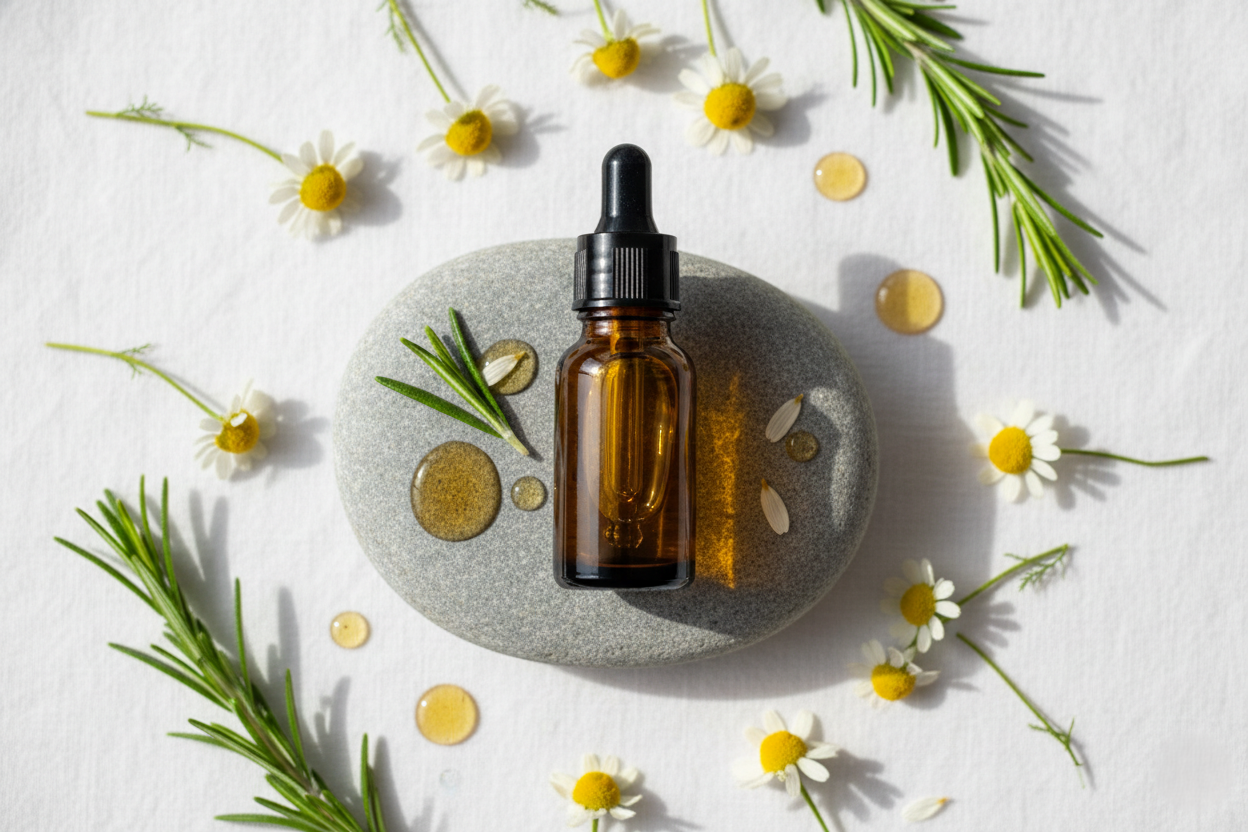
Your “High-Vibration” Barrier Support Ritual
Transform your routine into a moment of connection with this simple barrier-support ritual.
- Stop Stripping: Switch to a cream-based or oil cleanser. If your skin feels “squeaky” clean, it may be a sign that it has been over-cleansed. Prioritize pH-balanced formulas like our Renew Facial Cream Cleanser.
- Hydrate with Essence: Before applying oil, begin with hydration. Mist your face generously with a natural facial toner, such as our Rosemary Toning Mist, to refresh the skin and prepare it for the next step.
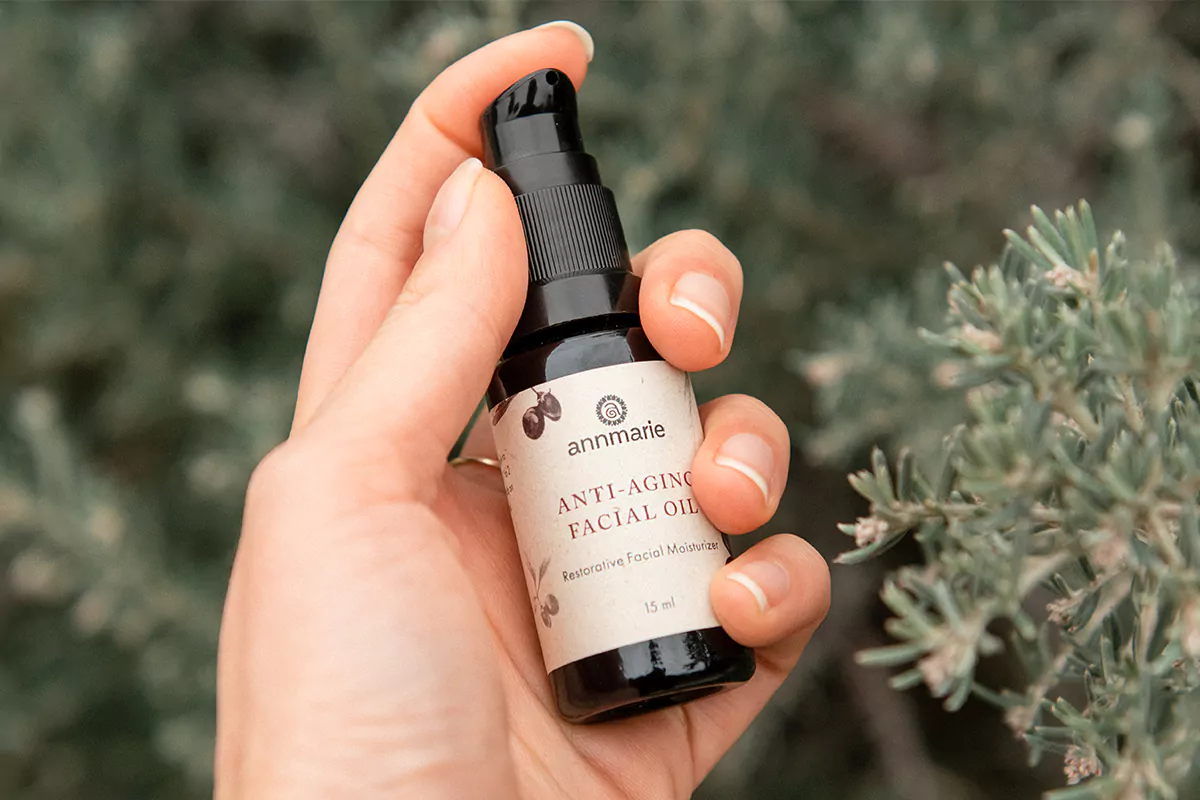
- Seal with a Rich Lipid Layer: While your skin is still damp, dispense 2-3 pumps of your facial oil (such as our Anti-Aging Facial Oil). Rub it between your palms to warm it, inhaling the aroma, and then gently press—rather than rub—the oil into your skin. This “press and seal” technique supports even application and helps lock in hydration.
- Internal Support: Remember to hydrate from within. A glass of water and nutrient-rich foods like walnuts or avocado can help support overall skin health and contribute to a more resilient-looking complexion.
Conclusion: Embracing Your Skin’s Natural Rhythm
Experiencing dry, flaky skin is not a failure of your regimen; it can simply be a sign that your skin is asking for more balance and care. It is an invitation to slow down, listen, and offer your skin supportive, replenishing nourishment. By replacing harsh ingredients with thoughtfully formulated botanicals, you’re not just addressing temporary dryness—you’re supporting the look of healthy, lasting radiance.
We encourage you to embrace this ritual and explore our complete collection of wildcrafted facial oils to find the perfect lipid-rich allies for your unique beauty journey.
Frequently Asked Questions
Why is my face dry and flaky but not my body?
Facial skin is thinner and more delicate than the skin on your body. It is also constantly exposed to UV rays, wind, and pollution, whereas much of the body is protected by clothing. This makes the face more prone to dryness and visible signs of environmental stress.
How long does it take for the skin barrier to look better?
Patience is key. While you may notice an immediate feeling of comfort from facial oils, visible improvements in dryness and texture often take a few weeks of consistent care. This allows the skin’s natural renewal process to support a smoother, more hydrated-looking appearance over time.
Can dry flaky skin be serious?
In most cases, dryness and flaking are temporary and related to environmental or routine factors. However, if the flaking is accompanied by persistent itching, discomfort, or pronounced irritation, it may be helpful to consult a licensed healthcare professional for personalized guidance.







Leave a Reply