


Table of Contents[Hide][Show]
Key Takeaways
- Peptides act as “messenger” molecules that signal your skin to initiate repair and support the appearance of firmness.
- Unlike exfoliating retinoids, peptides focus on strengthening the skin’s foundation without causing surface irritation or sensitivity.
- Consistent application of leave-on products like serums is crucial, as the benefits for your complexion are cumulative rather than instant.
- For optimal results, peptides function best within a holistic ritual that includes proper hydration, sun protection, and nutrient-rich foods.
With so many ingredients promising to turn back the clock, it is easy to feel skeptical. Are peptides just another trend, or do they truly deliver? The answer lies in their unique ability to work with your skin, not against it. Unlike harsh treatments that strip the surface, peptides act as gentle messengers, signaling your skin to look firmer and more resilient. This guide simplifies things, making it easier to see why these molecules play such an important role in a mindful, age-supportive ritual.
Demystifying the Buzz: What Exactly Are Peptides?
To truly understand how peptides can revitalize your look, we first need to strip away the scientific jargon and look at what they are on a fundamental level. Peptides are simply short chains of amino acids, which are the building blocks of proteins like collagen and elastin—the very fibers that give our skin its bounce and structure. While our bodies naturally contain these chains, their presence diminishes as we age, leading to the visible changes we see in the mirror.
The “Messenger” Analogy: How They Communicate with Your Skin
Think of peptides as the project managers for your skin. Without clear instructions, even the most capable cells can slow down their renewal efforts. Peptides act as vital messengers, delivering specific signals that tell your skin to focus on maintaining its structure and resilience. This communication is essential; it effectively “wakes up” your skin cells, encouraging them to support a firmer, more youthful appearance.
The Core Functions: Hydration, Barrier Support, and Firmness
While the conversation often revolves around the look of fine lines, the role of peptides extends far beyond just surface adjustments. These hardworking molecules are also instrumental in strengthening the skin barrier—the protective shield that keeps moisture in and environmental stressors out. By supporting this barrier, peptides help improve overall skin texture and lock in essential hydration. The result is a complexion that doesn’t just appear more youthful, but feels sturdier, calmer, and significantly plumper.
The Science of Peptides and Wrinkles: Do They Really Work?

It is natural to be skeptical of “miracle molecules,” so let’s talk about what this actually means.. The efficacy of peptides is not magic; it is biology. However, understanding exactly how they influence the aging process implies the answer to the question: do peptides help with wrinkles and fine lines?
Understanding the Collagen Connection
The primary reason peptides are so effective for the look of aging is their harmonious relationship with collagen factors. When collagen breaks down, it naturally forms specific peptides. Your body detects these fragments as a sign that it needs to generate support. Botanical or bio-identical peptides applied topically mimic these fragments. Essentially, they flip a switch in your skin’s biology, encouraging the appearance of a denser, firmer surface. Over time, this increased support helps soften the appearance of fine lines and helps prevent the look of deep wrinkles from becoming more pronounced.
Realistic Expectations vs. Marketing Hype
Many people ask, “do peptides really work for wrinkles overnight?” While the science is compelling, we must approach peptides with mindfulness. Peptides are powerful, but they are not a replacement for surgical procedures. Skin care is a practice of patience. The visible benefits of peptides—such as a firmer feel and a softened look to facial expressions—build gradually over time.. You are nurturing the skin’s long-term health rather than forcing a quick fix. Think of it as conditioning a muscle; results come from consistent, daily devotion to the ritual.
Peptides vs. Retinoids: Which Is Better for Aging Support?
A common point of confusion is choosing between peptides and retinoids (vitamin A derivatives). Both are heavy hitters in the realm of aging support, but they achieve their results through vastly different pathways. Understanding these differences allows you to choose the tool that best honors your skin’s current needs.
Different Mechanisms, Similar Goals
Retinoids function primarily by accelerating cell turnover—effectively shedding the top layer of skin to reveal fresh cells underneath. While effective, this process can be harsh, often leading to redness, peeling, and sensitivity. Peptides, on the other hand, work via signaling and support, focusing on nurturing the skin’s foundation rather than exfoliating it down. This makes peptides a generally gentler option, suitable for those who cannot tolerate the intensity of retinoids. If you are still weighing your options, you can learn more about how different components compare in our guide on the best ingredient for anti-aging products.
The Power of Synergy: Using Them Together
The beauty of a mindful skin care routine is that you rarely have to choose just one path. Because peptides and retinoids operate differently, they can be highly synergistic. Using them together can provide a comprehensive approach: peptides support the look of firmness and hydration, while retinoids tackle texture and tone. To avoid overwhelming your skin, consider a “skin cycling” approach—alternating nights between the two, or using peptides in your morning ritual to protect and firm, while reserving retinoids for your evening renewal routine.
How to Incorporate Peptides into Your Skin Care Ritual
Once you have committed to adding peptide support to your routine, the next step is application. Since peptides are an investment in your skin’s future, you want to ensure you are applying them in a way that maximizes their absorption and efficacy.
Selecting the Right Formulation
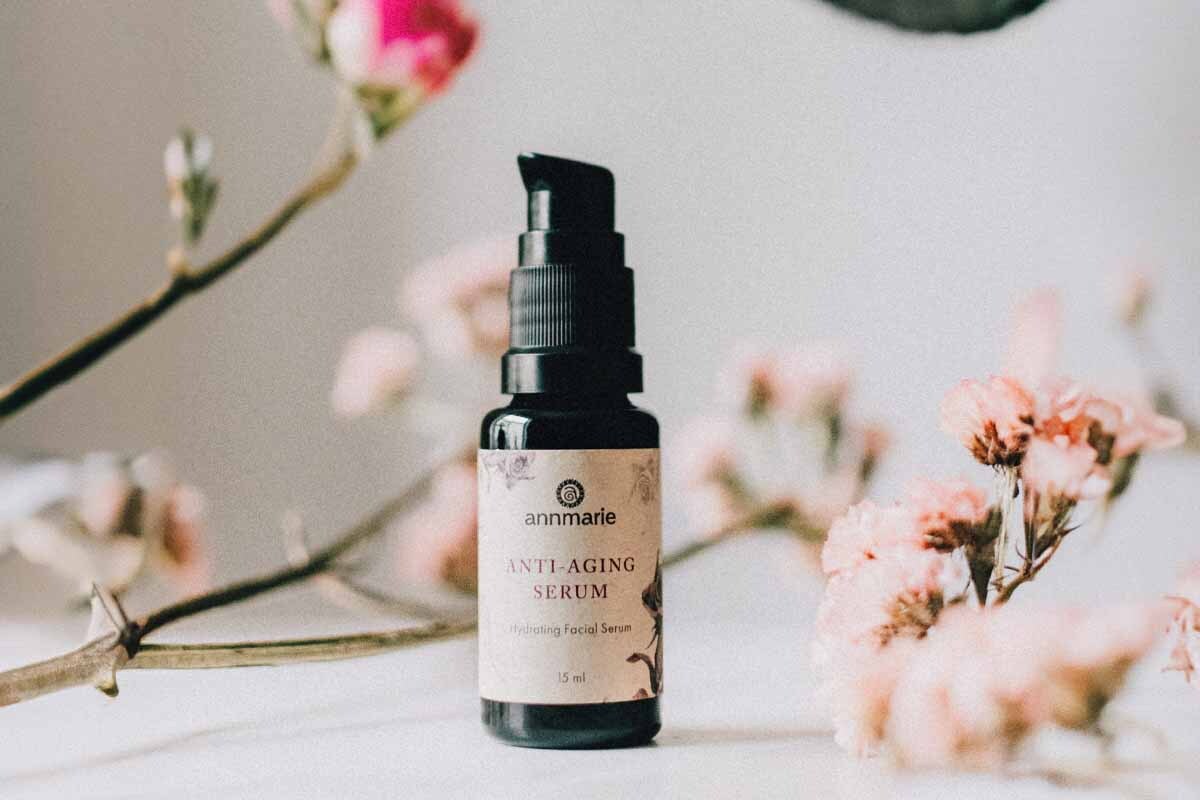
Because these molecules need time to communicate with your skin cells, “wash-off” products like cleansers are generally less effective for delivering these actives. Instead, prioritize “leave-on” formulations like serums, facial oils, and moisturizers that remain on the skin for hours. For those dedicated to clean, natural beauty, look for high-quality botanical peptides or plant stem cells, which offer similar signaling benefits. To introduce a concentrated boost of this active botanical support into your regimen, consider using a targeted treatment like the Citrus Stem Cell Serum, which harnesses the power of nature to rejuvenate the look of dull, aging skin.
Step-by-Step Application Order
To get the most out of your products, the order of operations matters.
- Cleanse: Begin with a gentle, pH-balanced cleanser to create a clean canvas without stripping your natural oils.
- Treat: Apply your peptide or stem cell serum while your skin is slightly damp. Damp skin is more receptive, allowing the active ingredients to absorb more deeply.
- Moisturize: Seal the actives in with a lipid-rich oil or cream. This final step is crucial for locking in hydration and barrier support. Our Anti-Aging Facial Oil is an excellent choice here, as it pairs beautifully with aloe-based serums to keep the skin supple and protected.
Common Mistakes to Avoid When Using Peptides
Even the best ingredients can be rendered ineffective if used incorrectly. Peptides are generally robust, but they have their vulnerabilities. A few mindful adjustments to your routine can prevent accidental deactivation of these precious molecules.
Incorrect Ingredient Pairing
Chemistry plays a significant role in skin care compatibility. Peptides, particularly copper peptides, can be sensitive to low pH environments. Mixing them directly with strong Alpha Hydroxy Acids (AHAs) or potent Vitamin C (L-Ascorbic Acid) can potentially destabilize the bonds, reducing their efficacy. If you love your Vitamin C, simply space them out: apply your antioxidant Vitamin C serum in the morning to fend off environmental damage, and save your restorative peptide products for your evening ritual.
Neglecting Sun Protection
Perhaps the most critical mistake is relying on skin care to fix damage that is actively occurring. The primary cause of collagen breakdown is UV exposure. It is counterproductive to send “repair signals” if the sun is simultaneously breaking down your skin’s structure. Sun protection is not just a step; it is the foundation of youth. You can read more about why protection is non-negotiable in our article on sun protection and anti-aging.
A Holistic Approach to Youthful Skin
Skin care is effective, but it acts only on the surface. To truly address peptides and wrinkles, we must acknowledge that our skin is a reflection of our internal health. A holistic approach ensures that your body has the resources it needs to respond properly.
Diet and Internal Support
When peptides signal your skin to revitalize itself, your body needs “materials” to carry out that request. These materials come from your diet. Consuming foods rich in amino acids—such as bone broth, legumes, and seeds—provides the building blocks necessary for skin maintenance. Think of your diet as the supply truck arriving at the construction site; the site manager can yell orders all day, but without the bricks and mortar (nutrients), nothing gets built.
The Role of Consistent Hydration
Furthermore, cellular processes function optimally in a hydrated environment. Dehydrated skin not only functions poorly but also looks older, as lack of water causes skin to deflate and fine lines to appear more pronounced. Drinking sufficient water and eating water-rich foods ensures that your skin cells remain turgid and responsive to the helpful signals your skin care products are sending.
Conclusion: Embracing a Supportive Approach to Aging
Peptides represent a fascinating intersection where nature’s wisdom meets scientific understanding. They offer a gentle yet powerful way to support your skin’s structure and soften the look of wrinkles without the aggression of harsh chemicals. By integrating them into a mindful ritual—one that honors proper application, avoids ingredient conflicts, and is supported by holistic internal health—you can look forward to a complexion that looks revitalized, resilient, and beautifully yours.
Frequently Asked Questions
Can peptides replace Botox?
No. Botox is a neurotoxin that temporarily freezes muscles to prevent the movement that causes wrinkles. Peptides act as signaling agents that encourage the skin to look firmer and smoother over time. While peptides offer a natural, subtle improvement in skin texture and elasticity, they do not stop muscle movement or produce the instant immobility of injectables.
Are peptides safe for sensitive skin?
Generally, yes. Because peptides are naturally occurring amino acid chains and are typically non-acidic, they are considered one of the most gentle aging-support ingredients available. They rarely cause the irritation associated with retinoids or acids. For more on gentle routines, explore our insights on anti-aging ingredients that work for sensitive skin.
How long does it take to see results?
Patience is key with peptide-based skin care. It typically takes 4 to 12 weeks of consistent, daily use to notice visible improvements in skin texture and the look of fine lines. Remember, you are supporting a biological process, not covering it up.
Can I use peptides around my eyes?
Yes, the eye area often shows the first signs of aging (crow’s feet) and benefits greatly from the firming properties of peptides. Our Anti-Aging Eye Cream is formulated to specifically nourish and support this delicate area without causing irritation.







Leave a Reply