

Table of Contents[Hide][Show]
Key Takeaways:
- Glycation is a natural process where excess sugar attaches to proteins like collagen, causing stiffness and visible signs of aging.
- Glycation’s effects are accelerated by high-sugar diets, unprotected sun exposure, and the natural decline in cellular efficiency with age.
- Protect your skin with a low-glycemic, antioxidant-rich diet, gentle cooking methods, and daily sun protection.
- A mindful skin care ritual with topical antioxidants and hydration can support the skin’s defenses and help minimize the visible effects of glycation.
We often view skin aging as a result of the passing years or the sun above us. Yet, there is a silent, internal process that plays an equally pivotal role in how our complexion evolves. It is called glycation—a biological reaction where excess sugar interacts with the proteins that keep your skin firm and supple. Understanding this connection iskey to reclaiming your skin’s vitality. This guide invites you to look beyond the surface and discover how mindful lifestyle choices can support your collagen and restore your natural bounce.
The Science of Skin Glycation: How AGEs Weaken Your Skin’s Structure
To truly understand glycation, we have to look deeper, beneath the skin’s surface, to the delicate framework that gives it strength and elasticity. This is where the process does its damage, through sneaky compounds known as Advanced Glycation End-products, or AGEs. It is a brief dive into science, It invites a deeper realization that what we eat and how we live are reflected in how our skin looks and feels.
The Cross-Linking Effect: How Glycation Makes Collagen Stiff and Brittle
Imagine the collagen and elastin in your skin as bouncy, flexible springs in a mattress. They are responsible for your skin’s plumpness and ability to snap back. When sugar molecules enter the picture, the process unfolds in a way that compromises this structure:
- Attachment: Sugar molecules latch onto these protein “springs” without the help of enzymes.
- Cross-linking: This attachment creates AGEs, which act like rigid braces, locking the proteins together.
Loss of Resilience: The once flexible fibers become stiff and disorganized, leading to a visible loss of elasticity and the formation of fine lines.
A Chain Reaction: How AGEs Trigger Oxidative Stress
The influence of Glycation (the process that forms AGEs) extends beyond stiffening the skin’s support structure. The accumulation of these compounds is a recognized factor that contributes to increased cellular stress. Prolonged stress is associated with visible changes in the skin, including a faster breakdown of collagen and elastin, reduced resilience, and an increase in visible signs of aging over time.
The 3 Main Accelerators: What Causes Glycation in the Skin?
While glycation is a naturally occurring process, our modern lifestyles can unfortunately put it into overdrive. If you’ve ever asked, “what is glycation skin?,” understanding the primary factors that accelerate the creation of AGEs is the first step toward taking back control.
Your Diet: The Role of Sugar and High-Heat Cooking
Diet is the most direct driver of glycation. It impacts your skin through two distinct pathways:
- High-Glycemic Foods: Consuming refined sugars, white bread, and sugary drinks causes blood sugar spikes, flooding your system with fuel for the glycation process.
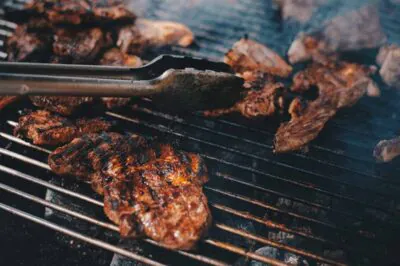
- High-Heat Cooking: Foods cooked at very high, dry temperatures (like grilling, frying, or roasting) can form AGEs directly in the food, which are then absorbed by your body upon eating.
Sun Exposure: The Hidden Multiplier of Glycation Damage

The sun is a powerful source of life and energy, and when we enjoy it mindfully, it supports our well-being. However, when we expose our skin to prolonged periods of harsh UV radiation without protection, that exposure can become a significant factor in visible skin aging. Specifically, UV rays share a relationship with glycation: exposure can dramatically influence the formation of AGEs in the skin, which may accelerate the overall process. The UV energy acts as a powerful catalyst, speeding up the reaction between sugars and proteins. This means that intelligent protection isn’t just about managing UV effects; it’s also about supporting your skin’s resilience against the increased influence of the glycation process happening naturally within.
The Natural Aging Process and Slower Cell Turnover
As we age, our body’s natural processes become less efficient. Our antioxidant defense systems can weaken, and our body’s ability to naturally repair and replace damaged collagen slows down. This means that not only are we more susceptible to the glycation process, but our skin also has a harder time clearing out the AGEs that have accumulated. This natural decline is a normal part of life, but it highlights the importance of proactive care to support our skin’s resilience over time.
An Anti-Glycation Lifestyle: 4 Ways to Protect Your Skin from Within
It’s easy to feel a little discouraged after learning how glycation works, but here is the empowering part: you have so much influence over it. By making mindful choices in your daily life, you can significantly slow down the glycation process and protect your skin’s foundational health. This isn’t about a restrictive diet or a complex regimen; it’s about creating small, nourishing rituals that honor your body from the inside out.
Adopt a Low-Glycemic, Antioxidant-Rich Diet
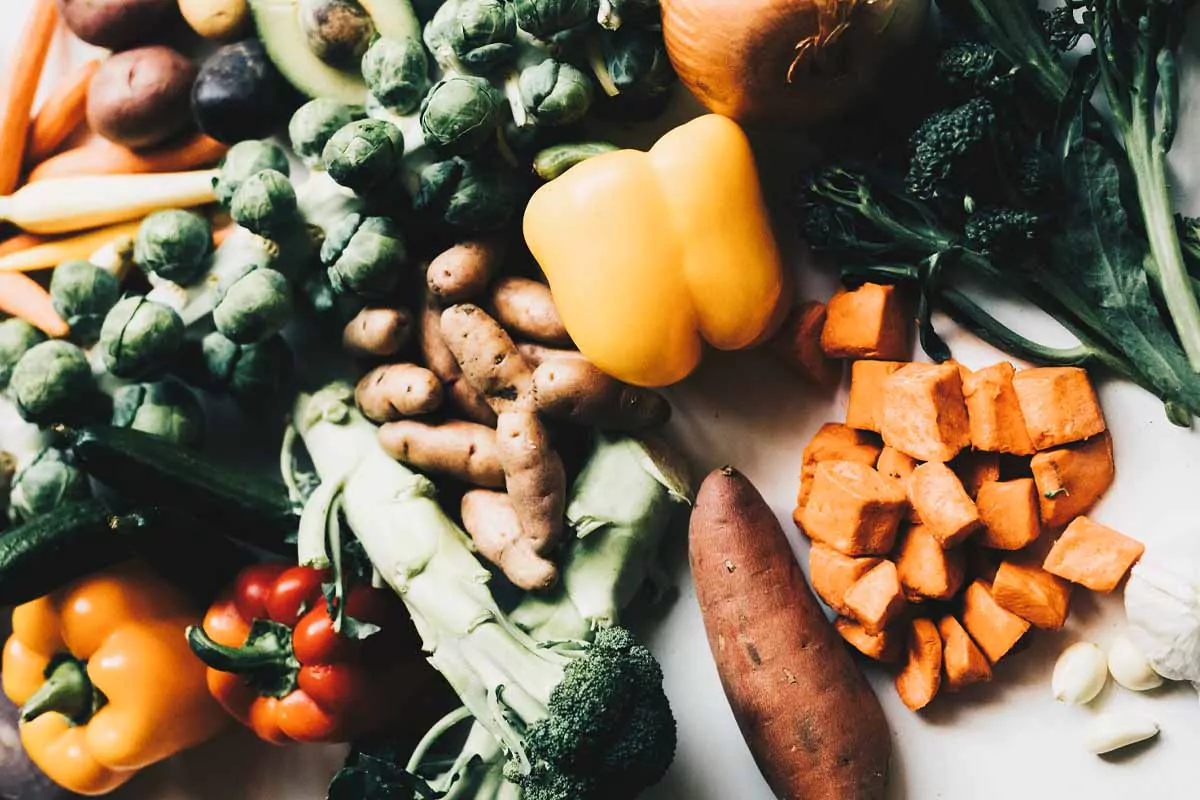
One of the most powerful things you can do is to manage your blood sugar levels. Shift your focus toward a diet rich in whole, unprocessed foods. Think colorful vegetables, low-glycemic fruits like organic berries, lean high-quality proteins, and healthy fats. At the same time, fill your plate with antioxidants. These potent nutrients are known to support the skin’s natural defenses against the cellular stress associated with glycation.
Foods like leafy greens, green tea, and citrus fruits are packed with these protective compounds.
Rethink Your Cooking Methods to Lower AGE Intake
You don’t have to give up your favorite foods, but simply adjust how you cook them. Instead of high-heat, dry methods like frying or char-grilling, embrace cooking with water. Poaching, steaming, stewing, and simmering are gentler methods that create significantly fewer AGEs. Think of it as infusing your food with moisture, which not only lowers AGE formation but also leaves you with succulent, flavorful meals.
Prioritize Daily Sun Protection
Given the powerful connection between UV exposure and glycation, making sun protection a non-negotiable part of your daily ritual is crucial. This is your frontline defense against the acceleration of AGE formation. The key is to find a formula you love and to practice effective daily sun protection every single day, regardless of the weather or season. Opt for a non-toxic mineral-based sunscreen with non-nano zinc oxide. This simple, two-minute act is one of the most profound ways to preserve your skin’s collagen and long-term health.
Incorporate Anti-Aging Herbs and Superfoods
Nature provides a beautiful arsenal of botanicals that can support your skin’s defense against glycation. Herbs like cinnamon and cloves have been shown to help with AGE formation, while antioxidant powerhouses like acai and goji berries can help fortify your body’s defenses. Incorporating these into your teas, smoothies, or meals is a simple and delicious way to add another layer of protection.
A Topical Strategy: An Approach for Skin Affected by Glycation
While mindful lifestyle choices establish your internal support system, your daily skin care ritual is the essential external defense. A consistent routine is designed to support the skin against environmental stressors known to influence the visible effects of glycation and skin aging. Furthermore, high-quality ingredients help the skin effectively manage cellular stress and maintain a barrier that is strong and inherently resilient. When you ask “what is glycation skin care all about?”, the answer lies in this intentional approach. This is the foundation of a proactive glycation skin care routine: choosing your products with purpose to cultivate a nurturing environment where your skin can truly look and feel its healthiest.
The Power of Antioxidants to Brighten and Protect Skin
Topical antioxidants are an essential complement to your internal support. When applied to the skin, they are recognized for their ability to support the skin’s natural defenses against cellular stress influenced by environmental factors and the effects of glycation. A serum rich in Vitamin C, for example, is a perfect choice for this ritual. A formula like the Wild Fruit Serum, which is packed with antioxidant-rich botanicals, is designed to help the skin manage cellular stress and visibly enhance luminosity and a brighter appearance.
Key Nature-Powered Ingredients That Support Your Skin
Beyond general antioxidants, modern science has identified some of the best ingredients for anti-aging that can help fortify the skin. Modern studies have identified several powerful botanical extracts that are excellent choices for supporting the skin during the glycation process. Look for ingredients such as Green Tea Extract (rich in potent EGCG), Cinnamon Bark, and certain flavonoids from berries and Pomegranates. These ingredients are known to support the skin’s defense system. While no topical ingredient can stop the natural aging process entirely, when you weave products like these into your daily ritual, you’re giving your skin a thoughtful, protective layer of support.
Support and Moisturize Your Skin Barrier
A healthy, nourished skin barrier is a resilient skin barrier. When your skin is well-moisturized and its barrier is strong, it’s much better at protecting itself from everyday environmental stressors.This makes a deeply nourishing moisturizer an essential final step in your anti-glycation ritual. A formula like our Restorative Facial & Neck Cream infuses the skin with moisture and supportive botanicals, helping to keep it supple, comfortable, and better prepared to handle daily stressors.
Conclusion: A Holistic Approach to Youthful, Resilient Skin
Ultimately, grasping the influence of glycation isn’t about adding another item to your worry list; it’s about empowering your choices. This understanding reveals the clear, powerful connection between your internal well-being and the visible health of your skin. The key is viewing your actions—from the nourishment you choose to the products you apply—as one harmonious ritual. This is how you confidently support your skin against the visible effects of glycation and skin aging. The strategy is simple and integrated: Your antioxidant-rich diet, your commitment to smart sun protection, and a nurturing routine from our anti-aging skin care collection all work together, seamlessly.
Frequently Asked Questions About Glycation
Can you completely reverse glycation in the skin?
This is the most common question, and the honest answer is that you cannot completely reverse the visible effects of established changes in collagen structure. Those cross-links are very stable. However, you can absolutely work to slow down the process, help minimize the appearance of new effects, and visibly enhance your skin’s overall health and appearance. A holistic routine is designed to support your body’s natural renewal processes and promote the look of new, healthy collagen, leading to a visible improvement in skin texture and the appearance of firmness.
What are the worst foods for skin glycation?
The biggest culprits are foods and drinks high in refined sugars (like soda, candy, and pastries) and simple carbohydrates (like white bread and pasta). Additionally, foods cooked at high, dry temperatures—such as fried foods, roasted meats, and heavily browned items—are high in dietary AGEs and can contribute to the body’s overall glycation load.
How does glycation differ from normal wrinkles from aging?
Wrinkles from natural aging are often caused by repetitive muscle movements and the general, slow decline of collagen and elastin over decades. Glycation-induced aging is more specific; it’s characterized by a distinct stiffness of the skin’s structure. The resulting wrinkles often appear as finer, cross-hatched lines, and the skin may have a sallow, dull tone and a noticeable loss of elasticity or “bounce.”
How soon can you see results from an anti-glycation routine?
While you are immediately supporting your skin from the moment you start, achieving visible results requires time and consistency. Many people report seeing an improvement in their skin’s appearance—specifically in radiance, clarity, and texture—within 4–6 weeks of adopting a low-glycemic diet and a targeted skin care routine. More significant visual improvements in the look of firmness and fine lines may take several months, as it takes time for your skin to promote the look of new, healthy collagen.







Leave a Reply