


Table of Contents[Hide][Show]
Key Takeaways:
- Oxidative stress occurs when there’s an imbalance between environmental stressors (free radicals) and the antioxidants that help support your skin.
- It is a key factor that can contribute to the look of premature wrinkles, dullness, and reduced visible firmness.
- Sun exposure, pollution, and lifestyle factors are some of the main contributors to this stress on the skin.
- You can support your skin’s resilience through a mindful ritual that includes antioxidant-rich nutrition and protective skin care.
You follow the routine, apply the serums, yet the glow seems to fade, and lines appear faster than expected. It feels like an invisible struggle, and in a way, it is. This force is known as oxidative stress. To understand it, imagine your skin as a sturdy apple. When left exposed to air, it begins to turn brown and change texture—that is oxidation in action. Your skin faces a similar challenge every day against invisible environmental aggressors. This guide is your key to understanding that process and equipping your skin with the “guardians” it needs to look fresh, resilient, and radiant.
What is Oxidative Stress? The Simple Science of Balance

At its core, oxidative stress is a numbers game. Your body naturally encounters unstable molecules called free radicals. In a balanced state, your skin utilizes antioxidants to help defend against them. However, when the stressors outnumber the support, it can begin to influence your skin’s visible quality. Over time, this imbalance may contribute to dullness and early signs of aging. Think of it as a gradual weathering of the skin’s youthful vibrancy.
The Primary Triggers: What Fuels the Process?
To address oxidative stress effectively, we must understand that it is rarely caused by a single event. Instead, it is the cumulative result of a life lived. These stressors disrupt your skin’s harmony from two directions, creating a “biological cost” that your skin pays with its vitality.
External Aggressors: The Environment
The world around you is constantly interacting with your skin’s surface..
- UV Radiation: The sun is more than just a source of heat; it is one of the primary factors that can deplete your skin’s natural antioxidant reserves. UV exposure can contribute to changes in the skin’s appearance, including a noticeable reduction in visible firmness, long before any sunburn appears.
- Pollution: It’s not just surface dirt. Micro-particles from traffic and industrial activity can settle onto the skin, impacting its overall look and feel. This can lead to a dull, gray cast — a sign that the skin may be reacting to environmental buildup.
- Blue Light: In our digital age, High-Energy Visible (HEV) light from screens is receiving more attention. Emerging research suggests it may contribute to oxidative stress on the skin’s surface, affecting its appearance and giving it a less balanced, well-rested look.
Internal Triggers: Lifestyle Habits
Your skin often reflects what’s happening within your daily habits and routines.
- Nutrient Gaps: A diet high in sugar may influence how smooth and supple the skin looks over time. Choosing colorful, antioxidant-rich foods can offer supportive nourishment that helps the skin maintain a vibrant, healthy-looking appearance.
- Emotional Stress: Stress shows up on the skin in subtle ways. When life feels overwhelming, it’s common for the complexion to appear more fatigued or less resilient. Gentle practices that help calm the mind can also help the skin look more at ease.
- Rest Deficit: Quality sleep plays a meaningful role in how refreshed and bright the skin looks. When rest is limited, the skin can appear dull or tired the next day. Prioritizing consistent, restorative sleep is a simple step that supports your skin’s overall radiance.
The Visible Toll: How Oxidative Stress Shows Up
When the burden of environmental stress becomes too heavy, your skin doesn’t just look “older”—it looks “weathered.” It sends distress signals that reflect a deeper loss of vitality and balance. You may begin to notice:
- Diminished Resilience & Texture: It’s more than just a new line; it’s a change in the skin’s fundamental “snap.” The underlying support feels quietly compromised, leading to contours that don’t look as defined as they once didand a texture that feels rougher, like a leaf that has lost its moisture.
- A Loss of Inner Vitality: Oxidative stress can quietly dull the complexion, softening its natural rosy glow and leaving it looking a bit tired or gray, as if the skin’s inner light has dimmed.
- Echoes of Environmental Exposure: Over time, sun and city pollution leave their mark. They often surface as uneven tone or stubborn dark spots — subtle signs of where your skin has been working hardest to protect you.
Restoring the Balance: A Ritual of Resilience

The beautiful truth is that you can support your skin. You can help tip the scales back in your favor by flooding your system—both inside and out—with antioxidants. This isn’t just maintenance; it’s a ritual of support.
Inner Radiance: Fueling Your Body
Your first line of support comes from your plate and your peace of mind:
- Eat the Rainbow: Color is nature’s way of signaling antioxidants. Berries, dark leafy greens, and nuts are packed with nutrients that support overall health.
- Find Your Calm: Managing stress helps maintain a balanced look. A few minutes of deep breathing can be a beauty ritual in itself.
- Honor Your Sleep: Give your body the 7-9 hours it needs to feel rested, helping your skin look refreshed.
Outer Protection: The Skin Care Shield
Your topical routine should act as a physical shield and a nutrient delivery system:
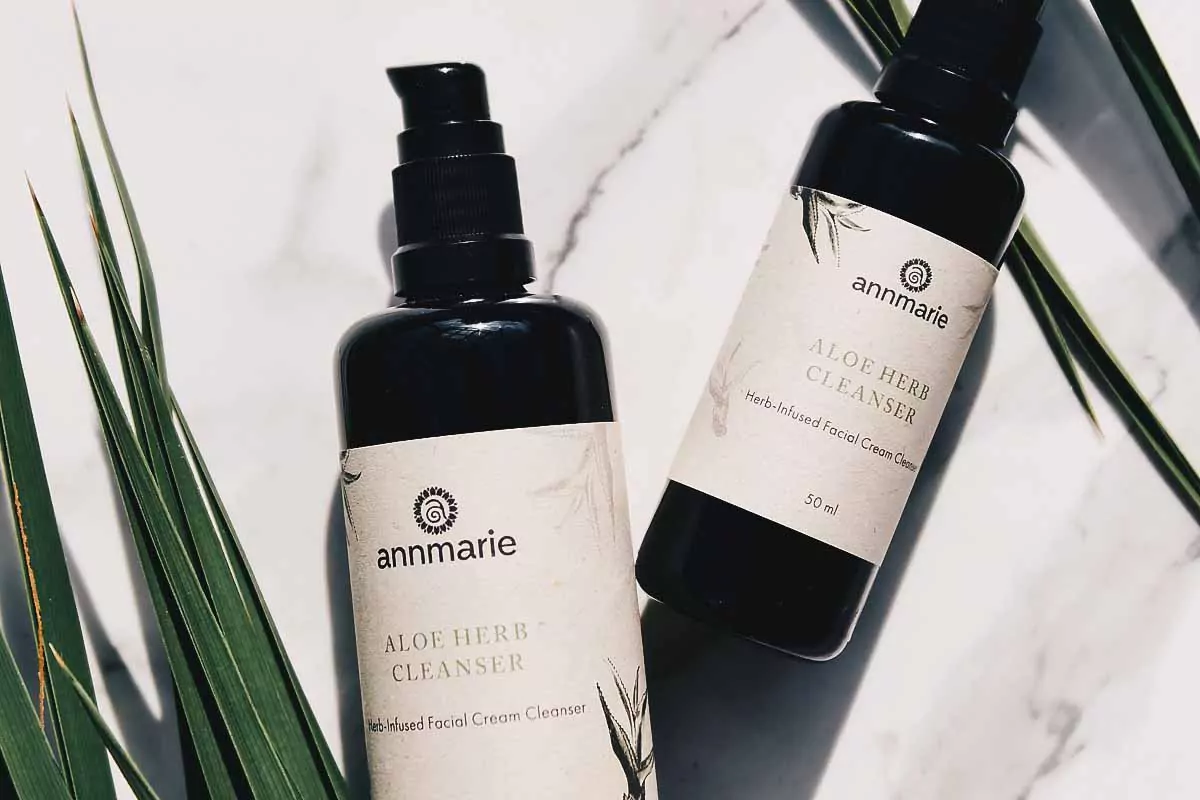
- Cleanse with Care: Start with a gentle touch using a non-stripping formula like our Aloe Herb Facial Cleanser to remove pollutants without disrupting your skin’s natural moisture barrier.
- Infuse Antioxidants: This is a critical step. Apply a serum rich in botanical antioxidants every morning to help defend against environmental drying. Our Wild Fruit Serum is designed for this exact purpose, delivering a concentrated dose of botanical goodness.
- Seal and Shield: Lock in hydration with a nutrient-dense moisturizer like the Restorative Facial Cream. And never skip the ultimate shield: Sunscreen. It is your armor against the primary cause of premature aging signs.
Conclusion: From Concern to Confidence
Ultimately, the conversation about oxidative stress isn’t about fighting a war against the environment; it is about reciprocity. Your skin works tirelessly every moment to shield you from the sun, the city, and the elements. Providing it with antioxidants and rest is simply returning that favor. This perspective shifts your daily ritual from a place of fear—trying to stop aging—to a place of active partnership. By equipping your skin with the tools it needs to defend itself, you aren’t just managing wrinkles; you are honoring the incredible barrier that allows you to live your life fully.
Frequently Asked Questions
Can you improve the look of skin damaged by oxidative stress?
While we cannot turn back time, the skin is responsive to care. By stopping the cycle of environmental exposure and using antioxidant-rich products, you can significantly soften the appearance of fine lines, brighten your tone, and restore a look of vitality. Think of it as nurturing a garden; with the right care, it blooms again.
What are the most powerful antioxidant foods?
Look for foods that stain your fingers! Blueberries, blackberries, and dark greens (spinach, kale) are top-tier. Also, don’t forget nuts and seeds (like walnuts and pumpkin seeds) for Vitamin E, and Green Tea.
How long until I see a difference in my skin?
Skin care is a journey. You may notice a “fresher” look and better hydration within a few weeks of using antioxidant-rich products. However, visible improvements—like smoother texture and more even tone—typically align with your skin’s renewal cycle, taking 2 to 3 months of consistent care.







Leave a Reply