


Your skin sometimes craves a gentle embrace to truly glow. With a simple homemade Vitamin C serum, you can provide your skin with powerful antioxidants, helping to brighten, even out its tone, and support a firmer, more youthful appearance. Vitamin C has long been considered a “key” to radiant skin, addressing many concerns from the look of dark spots to improving overall skin texture.
It’s precisely these wonderful benefits that make crafting your own pure Vitamin C serum at home so appealing. Right in your own cozy kitchen, you can create an activated skin care product, ensuring absolute freshness and safety. This isn’t just about controlling what you apply; it’s also a delightful, creative experience. Let’s dive into how to make it!
Let’s Get Mixing: Craft Your Own Vitamin C Serum
Now it’s time to turn knowledge into action! Creating a fresh batch of Vitamin C serum yourself isn’t as complicated as you might think. While serums can be complex formulas, this DIY is simple, minimal, and focused on hydrating while delivering the benefits of vitamin C. With a little preparation and care, you’ll soon have a pure, homemade elixir for your skin.
Essential Ingredients & Tools to Prepare
Before we start, let’s go over the “must-haves”:
Main Ingredient – Vitamin C Powder (L-Ascorbic Acid):
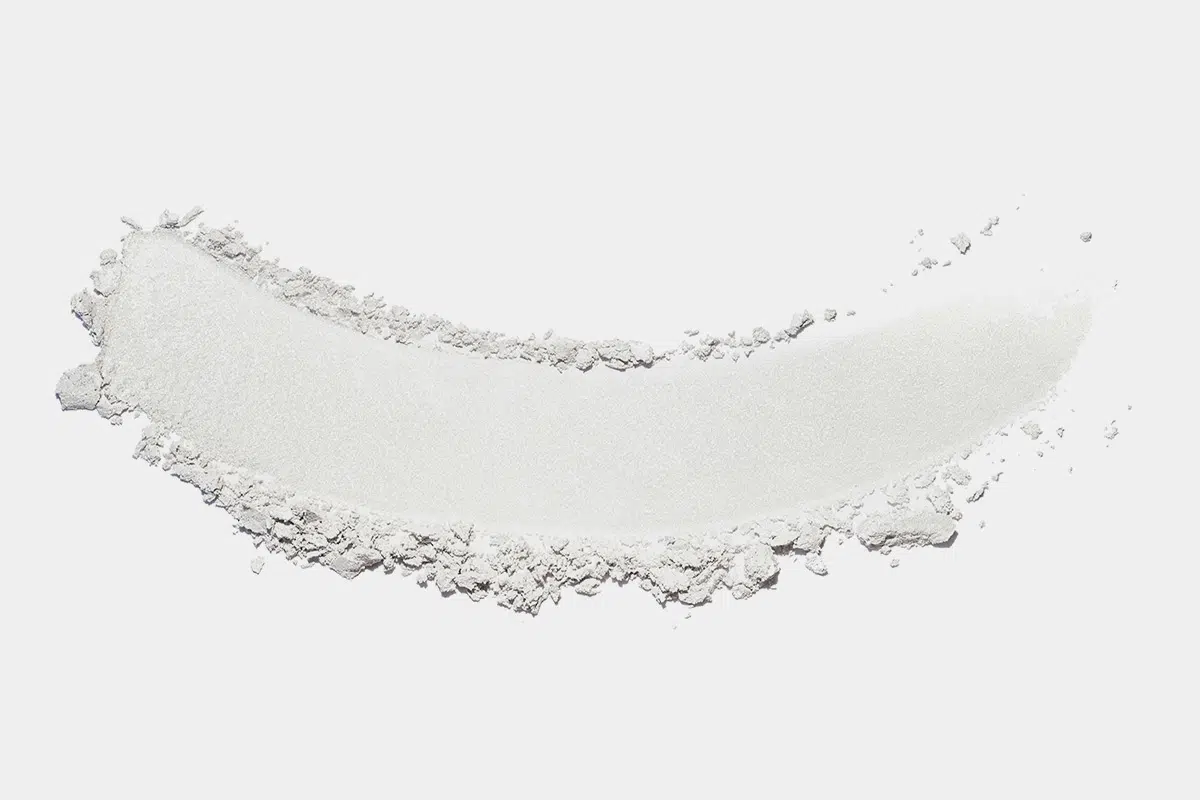
- You’ll need pure, fine L-Ascorbic Acid (LAA) powder for easy dissolving. This is the most common form of Vitamin C for effective DIY skin care.
- L-Ascorbic Acid is quite sensitive and oxidizes easily, so we’ll need to be careful during preparation and storage. You can learn more about the differences between Vitamin C serums vs. powders to make the best choice.
- You could also get Brighten Concentrated Boosting Elixir from the Annmarie Skin Care shop, which uses gentle and stable vitamin C derivative Tetrahexyldecyl Ascorbate (THDA) with sea buckthorn.
Solvent – Distilled Water (Or Pure Rose Water):
- Using distilled water is best to ensure no impurities affect your serum.
- If you prefer a gentle aroma and added soothing benefits, you can choose pure, alcohol-free rose water.
Additional Ingredients (Optional but Beneficial):
- Vegetable Glycerin: About ¼ – ½ teaspoon. Glycerin helps hydrate the skin, gives the serum a slightly thicker consistency, and may help stabilize LAA a bit.
- Pure Aloe Vera Gel: About 1-2 teaspoons. Aloe vera helps soothe and hydrate, which is great if your skin is a bit sensitive.
- Vitamin E Oil: A few drops. Vitamin E is also an antioxidant; when combined with Vitamin C, it can enhance skin protection and help stabilize the serum.
Tools:
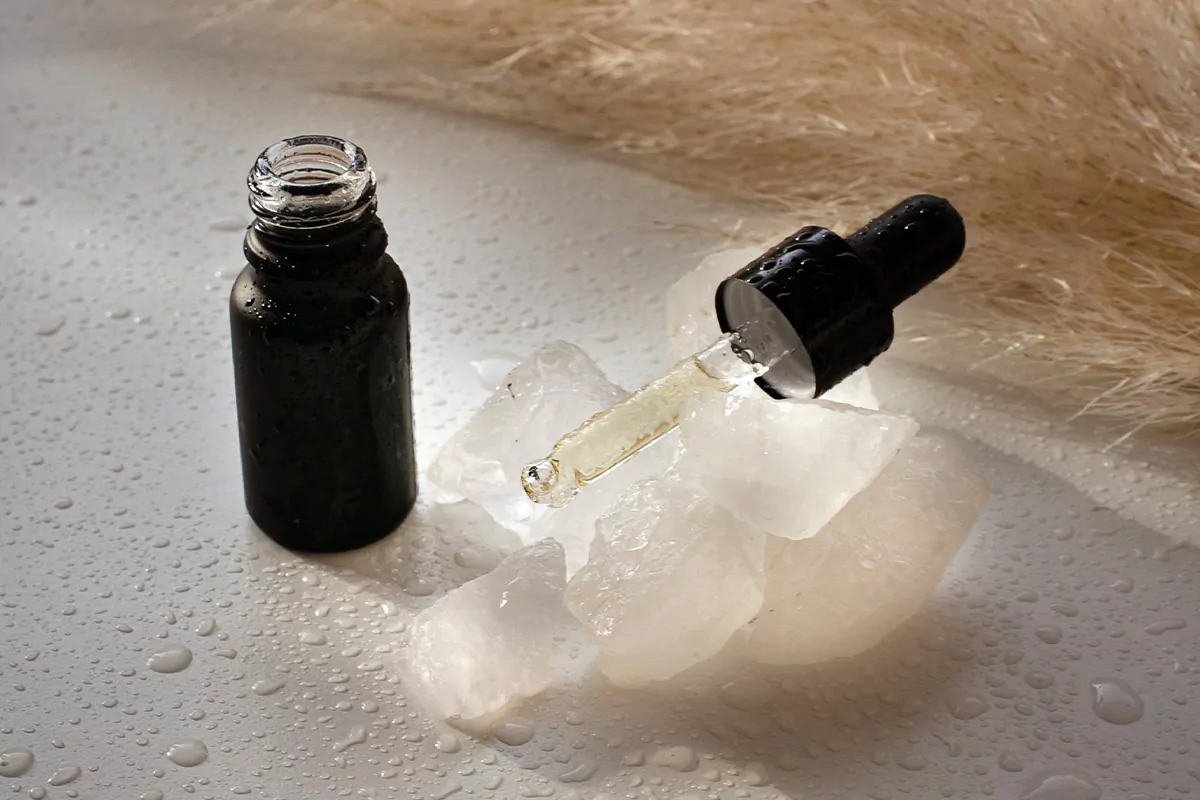
- Dark glass bottle (amber or cobalt blue) with a dropper: Capacity around 0.5 – 1 fl oz (15-30ml). A dark bottle is crucial to protect Vitamin C from light.
- Small, clean glass cup or bowl: For mixing.
- Small stirring utensil (glass or ceramic): Avoid metal tools as they can react with Vitamin C.
- (Optional) Small funnel: Ma