

Isopropyl alcohol, also known as isopropanol, is a harmful and unnecessary ingredient used in many skin care products. Not only does it have no nourishing qualities, it can lead to dry, flaky skin and actually exacerbate acne.
Got acne? Avoid the alcohol—it will only make things worse.
What is Isopropyl Alcohol?
Isopropyl alcohol is a colorless, combustible liquid that’s also known as isopro, iso, or simply IPA. You may know it by the more common name of rubbing alcohol.
This ingredient is found in all kinds of products, from hand lotions to make-up to aftershave. It’s also used in antifreeze and as a solvent in shellac. What do these things all have in common? They don’t use this alcohol as a nourishing ingredient—they use it as to decrease the thickness of liquids and reduce foam generation when shaken. This petroleum-derived substance is considered volatile, and will severely dry out your skin.
Side effects from breathing or ingesting the vapor of isopropyl alcohol may also cause headaches, flushing, dizziness, depression, nausea, vomiting, and in extreme circumstances, coma.
Why This is Not a Good Ingredient in Astringents
Some people believe that alcohol is useful to tighten pores and tone the skin. What alcohol is actually doing, however, is drying out and irritating the sensitive skin on your face. It strips your skin of the healthy oils it needs to stay hydrated and youthful, and throws sebum production completely off balance.
The reason I say this ingredient is totally unnecessary is because there are several natural ingredients that visibly reduce the appearance of enlarged pores and improve the skin’s texture. Instead of using a harmful product with isopropyl alcohol or wearing foundation make-up to create the illusion of a perfect complexion, use skin care products with rose extract in them. They’ll have the same effect while allowing your pores to breathe and stay healthy.
Why This is Not a Good Ingredient for Acne
Unfortunately, there are many people out there—teenagers, especially—who use rubbing alcohol as a home remedy for acne. Yes, it’s a disinfectant, but it’s also drying, and over time, can actually backfire by creating more dryness, which can lead to more acne. When applied to the skin, it can also cause rashes and irritation, which can make your appearance worse overall.
Instead of alcohol, try witch hazel, tea tree, and lavender, which all have antiseptic properties.
Why This is Not a Good Ingredient in Antiseptics
Isopropyl alcohol can be used as an antiseptic, but to avoid this ingredient, make sure to read the labels on the products you use on your skin. My skin care products do not use frivolous ingredients like alcohol that risk the customer’s safety just to change the texture of the product or keep it from foaming. Our ingredients smell and feel great, which will make you and your skin smell and feel great, too!
Have you gotten rid of the alcohol-containing products in your cabinet? Please share your story.
* * *
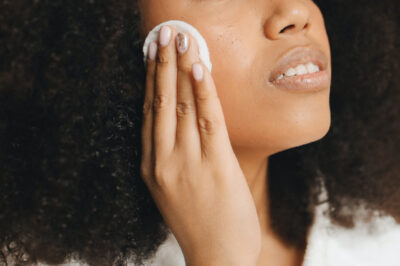
Photo courtesy photomodel.com1 via Flickr.com.


My experience with Isopropyl Alcohol. 11 days ago I felt a blind pimple on the back of my neck, applied the alcohol (sprayed) over the next few days. Then noticed a slightly swollen lymph node so used more alcohol to prevent infection. By last Wednesday saw doc who sent me for ultrasound (reactive lymph node it said) and gave me a steroid lotion as by then my scalp felt like it was crawling. Steroid lotion to be used once a day so used alcohol in between. Saw another doc Friday who gave me antibiotics and asked if I had used rubbing alcohol as that can cause a skin reaction. What! Stopped the isopropyl alcohol and continued with steroid the lotion (Novasone) but just got worse and would burn when applying. Stopped lotion Saturday when I realized it was aggrevating the whole issue. Saw another doc yesterday who said to just stop whatever I thought was aggrevating it and to use sorbolene. Today I checked online the ingredients in the steroid lotion – yep, ISOPROPYL ALCOHOL
Every lymph node from the middle of my head to my collarbone is swollen.
Does dis alcohol lighten your skin ?
Hi Joseph,
I’m not sure if it will effectively lighten your skin but we definitely don’t suggest using it topically.
Can rubbing alcohol be used as a disinfectant for eye-shadow, foundation,lipsticks, etc and to clean makeup brushes. What are its effects.
Rubbing alcohol will dry out your brushes and make them a brittle. We suggest using just regular ol’ soap and warm water to clean your brushes!